
Musk's $3.5 Trillion Tesla-SpaceX Merger Talks Expose Governance and Accountability Concerns
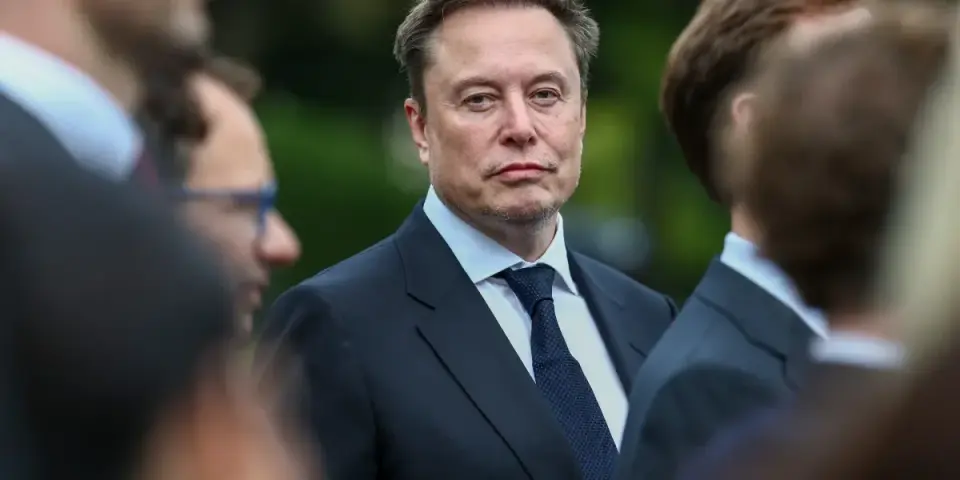
Elon Musk confirmed that special committees at Tesla and SpaceX are evaluating a merger that would create a $3.5 trillion entity. While Musk supports the deal for AI and robotics synergies, critics highlight his concentrated control, weak shareholder protections, and safety issues at SpaceX facilities.
Key points
- Musk stated that independent directors at both companies have formed special committees to explore a merger, which he called a 'good idea' but not a certainty.
- The combined entity would be valued at approximately $3.5 trillion, consolidating Musk's interests in rockets, electric vehicles, and artificial intelligence.
- Musk controls roughly 82% of SpaceX voting power and about 20% of Tesla votes, raising concerns about his ability to dictate deal terms despite recusing himself from negotiations.
- SpaceX's June IPO made Musk the first trillionaire, though his net worth has fluctuated, recently hovering near $1 trillion.
- Critics and regulators point to SpaceX's weak governance structure, including a multi-class share system and mandatory arbitration clauses, as limiting shareholder accountability.
Background
This development follows SpaceX's June 2026 IPO, which valued the company at over $2 trillion and briefly made Musk the world's first trillionaire. Recent archive coverage confirms that Musk has been actively advancing merger discussions, citing shared goals in AI, chips, and robotics. The proposed deal would consolidate his business empire, which includes Tesla, SpaceX, and xAI, into a single entity.
How outlets are covering it
Fortune emphasizes the accountability gap, noting that Musk's governance structures at SpaceX and Tesla limit shareholder power and that regulators have had limited success in restraining him. The New York Times highlights the consolidation of Musk's power, noting that a merger would give him greater control over Tesla and that his boards are filled with allies. CNBC focuses on the financial synergies, such as shared AI and chip development, and notes Tesla's recent underperformance compared to peers. Yahoo Finance questions the rationale for the merger, while all sources agree that shareholder approval is a significant hurdle.
Why it matters
The potential merger would create one of the largest corporate entities in history, raising questions about corporate governance, shareholder rights, and the concentration of economic power. It also highlights the challenges regulators face in overseeing companies with complex governance structures and significant political influence.
What to watch
Special committees at Tesla and SpaceX will continue evaluating the merger, with no terms agreed upon yet. Tesla's annual proxy, filed on Monday, does not include a merger proposal. Investors will await Musk's comments on Tesla's Q3 earnings call, where he may address the merger further. The outcome will depend on shareholder approval, which Musk described as a 'high hurdle.'
- ‘Tap-dancing through a minefield’: Elon Musk’s $3.5 trillion Tesla-SpaceX merger talks expose his power—and scant accountability Fortune
- Tesla beats on earnings and sales even as auto revenue declines CNBC
- Elon Musk Says SpaceX and Tesla Are Exploring a Merger The New York Times
- Explainer-Why would Musk merge SpaceX and Tesla? Yahoo Finance
- Wall St sees Tesla-SpaceX merger as inevitable, but split on price Reuters
Want the full story? Read the original reporting
Read on Fortune