
Consumer Reports Survey Links Rising Power Bills to Food Cuts and Utility Distrust
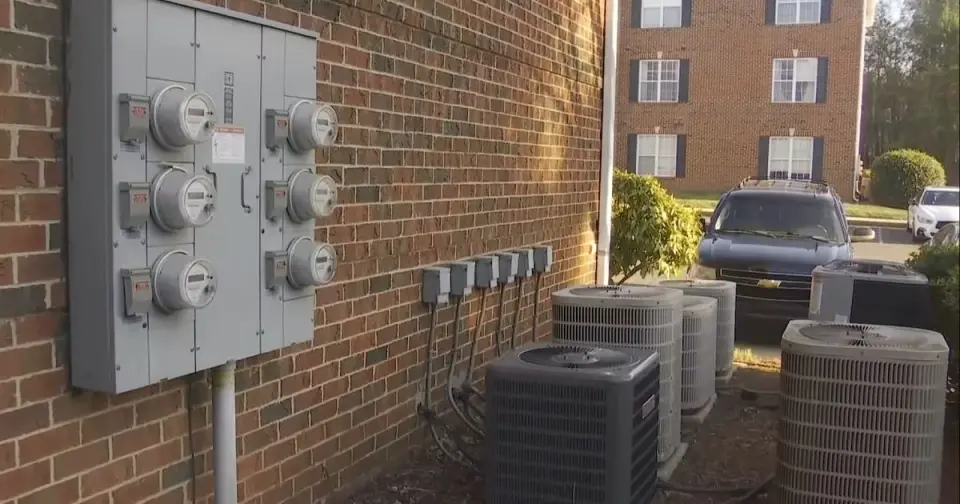
A new Consumer Reports survey reveals that rising electricity costs are forcing one in five Americans to cut back on groceries. While 81% of long-term homeowners report higher bills, many blame utility profits and data center demand, leading to widespread distrust of state regulators.
Key points
- One in five Americans have reduced grocery spending or switched to cheaper food to afford electricity bills.
- 81% of residents living in the same home for three years or more reported increased electricity costs.
- 28% of respondents saw their bills rise by 20% to 49%, with 6% reporting increases over 50%.
- 45% of respondents cited utility company profits as the primary driver of higher costs.
- 38% blamed increased demand from data centers and AI systems for rising prices.
Background
This development follows earlier reports on Duke Energy’s proposed rate increases in North Carolina, which were scaled back after an agreement with consumer advocates, though the state Attorney General refused to sign the deal. The current survey highlights broader national trends affecting households already struggling with cost-of-living pressures.
How outlets are covering it
Consumer Reports emphasizes the financial strain on households, noting that 75% of Americans trust state utility regulators only a little or not at all. USA Today highlights the trade-offs consumers make, such as reducing heating or cooling to uncomfortable levels. CBS News notes that middle-income households are increasingly applying for energy assistance despite income limits, while WRAL focuses on specific North Carolina resources like the 'Electrify the Triangle' initiative and Duke Energy’s bill transparency tools.
Why it matters
Rising electricity costs are exacerbating food insecurity and financial instability for millions of Americans, particularly those on fixed incomes. The survey underscores a growing disconnect between consumers and utility regulators, potentially influencing voter priorities ahead of the midterm elections.
What to watch
State regulators in North Carolina will decide whether to approve the scaled-back Duke Energy rate increase, which could take effect January 1, 2027. Consumer Reports plans to use anonymized bill data from its 'Power Smarter' initiative to advocate for fairer rates and track price trends nationally.
- Why is your power bill so high? What to check and where to find help WRAL
- This Is What America’s Utility Bill Crisis Looks Like The New York Times
- Electricity bills force 1 in 5 Americans to cut grocery costs USA Today
- Survey: Rising electricity bills stretch finances of many Americans upi
- Electricity bills force 1 in 5 Americans to cut back on food, Consumer Reports finds CBS News
Want the full story? Read the original reporting
Read on WRAL