
The Saturation of Brand Collabs: Why Odd-Couple Marketing Is Overwhelming Consumers
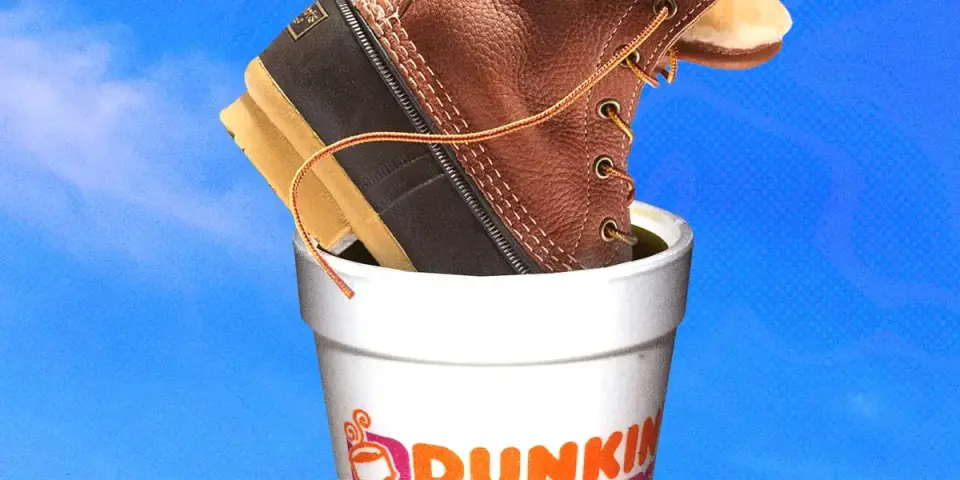
Cross-brand collaborations have become a dominant marketing strategy, with companies like Dunkin' and JELL-O launching frequent, often bizarre co-branded products. While these partnerships aim to capture attention in a fragmented market, experts warn that the sheer volume has led to 'collab fatigue,' where many initiatives fail to create genuine value or novelty for consumers.
Key points
- Recent high-profile collaborations include Dunkin' and L.L.Bean, JELL-O and Tower 28, and Peloton and Miley Cyrus, illustrating the trend's ubiquity.
- Liquid Death has leveraged controversial partnerships, such as a Bluetooth funeral urn with Spotify and 'pit diapers' with Depend, to generate awareness and reach new demographics.
- Gap reported that nearly one-third of its collaboration buyers are new customers, attributing its growth among younger consumers to these strategic tie-ups.
- Critics argue that many collaborations are merely 'world renting,' where brands borrow cachet without creating unique value, leading to consumer skepticism.
- Experts emphasize that successful collaborations must be limited in scope, offer novel products, and avoid feeling like pure marketing exercises to maintain credibility.
Background
This trend follows a broader shift in tech and retail sectors toward using limited-edition merchandise and exclusive drops to build brand loyalty, as seen in recent strategies by tech giants and fast-food chains. The current saturation of collaborations represents an escalation of this approach, moving from single-brand exclusivity to multi-brand crossovers.
Why it matters
The proliferation of brand collaborations reflects a deeper struggle for attention in an increasingly fragmented media landscape. As traditional advertising loses efficacy, companies are relying on cross-promotion to reach new audiences, particularly Gen Z, who are described as brand-agnostic. However, the risk of consumer fatigue and backlash from inauthentic or poorly executed partnerships poses a significant challenge for brands seeking to maintain relevance and trust.
What to watch
Expect continued experimentation with cross-brand partnerships, but with a greater emphasis on authenticity and novelty. Brands will likely face increased scrutiny from consumers who are becoming more adept at distinguishing between genuine creative collaborations and mere marketing ploys. Companies that fail to deliver unique value may see diminishing returns on their collaboration efforts.
Want the full story? Read the original reporting
Read on Business Insider