
Buffett’s 1984 Warning: Why He Bought Rose Blumkin’s Rival Store in 1992
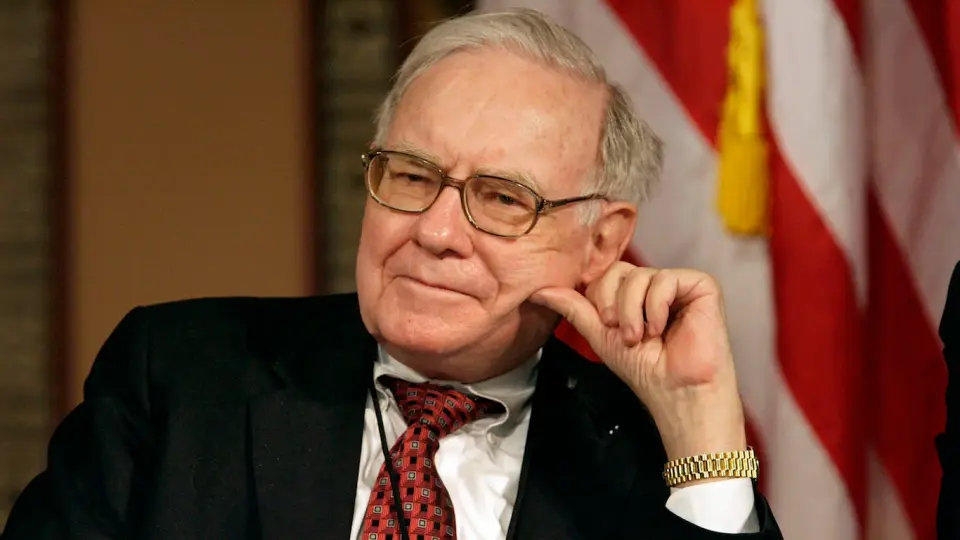
Warren Buffett’s 1984 shareholder letter warned that competing with Rose Blumkin was impossible, yet she opened a rival store across the street in 1986. After a dispute over the carpet department, Blumkin launched a competing business at age 96. Buffett eventually bought her rival store and land in 1992, securing a non-compete agreement from the 99-year-old entrepreneur.
Key points
- Buffett stated in 1984 that he would 'rather wrestle grizzlies' than compete with Blumkin, whose single-store business generated over $100 million in annual sales.
- Blumkin, who arrived in the US from Russia with no English and only $500 in savings, built Nebraska Furniture Mart into a retail giant by 1937.
- In 1986, Blumkin opened a rival carpet and furniture store directly across the street after leaving the company due to a disagreement over the carpet department.
- Berkshire Hathaway purchased Blumkin’s rival building and land in 1992, with Blumkin signing a non-compete agreement at age 99.
- The manufacturing, service, and retailing division of Berkshire Hathaway, which includes Nebraska Furniture Mart, saw operating earnings rise to $4.47 billion in Q2 2026.
Background
This story revisits the historical relationship between Warren Buffett and Rose Blumkin, a key figure in Berkshire Hathaway’s retail division. While recent market volatility and tech sell-offs dominate current financial news, this piece highlights the enduring legacy of owner-operator businesses within Berkshire’s portfolio. Blumkin’s journey from an immigrant with no formal education to a retail titan illustrates the long-term value of strong brand loyalty and competitive moats, a theme Buffett has emphasized throughout his career.
Why it matters
The Blumkin-Buffett saga demonstrates the risks of underestimating a founder’s competitive drive and the importance of securing non-compete agreements in acquisitions. For investors, it underscores how Berkshire’s retail segment remains a profit engine, contributing significantly to the company’s overall operating earnings despite market fluctuations. The story also serves as a case study in the power of individual entrepreneurship and the challenges of integrating legacy businesses into larger corporate structures.
What to watch
Investors should monitor Berkshire Hathaway’s third-quarter earnings report to assess whether the manufacturing, service, and retailing segment maintains its momentum. The performance of Nebraska Furniture Mart and other retail holdings will be key indicators of the company’s ability to sustain growth in a competitive market. Additionally, the legacy of Blumkin’s business practices may continue to influence Berkshire’s approach to acquiring and managing owner-operator businesses.
Want the full story? Read the original reporting
Read on 24/7 Wall St.