
CVS Health to Split into Two Companies by 2028, Reversing Aetna Merger
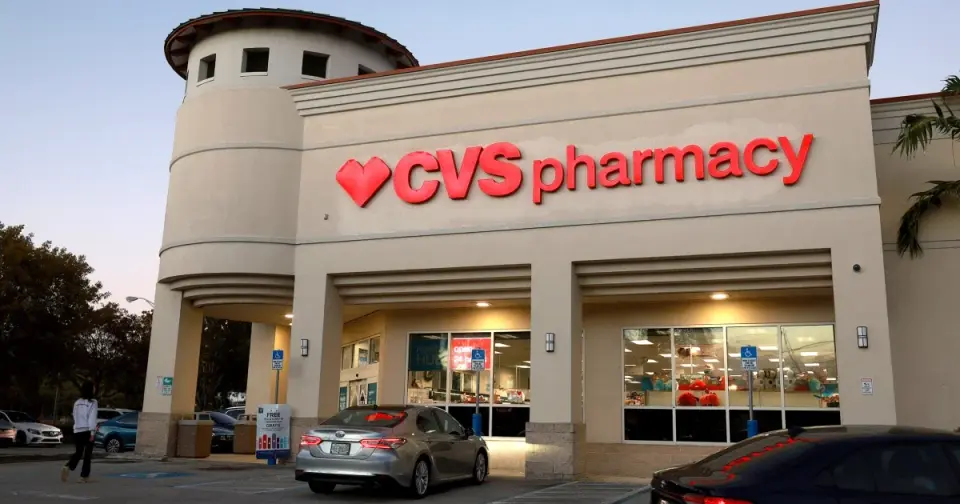
CVS Health announced it will separate into two independent public companies by the first half of 2028, dividing its retail pharmacy operations from its insurance and pharmacy benefit management units. This move reverses the 2018 acquisition of Aetna and responds to regulatory scrutiny of vertically integrated healthcare firms. The split is expected to be tax-free for shareholders, who will receive shares in both new entities.
Key points
- The separation is scheduled to complete in the first half of 2028.
- One entity, named CVS Pharmacy, will include 9,000 retail locations, MinuteClinics, and mail-order services.
- The other entity, temporarily named CVS Health, will retain Aetna, Caremark, and primary care services.
- Shares fell 12% in midday trading despite strong third-quarter earnings and raised annual guidance.
- The move addresses concerns about conflicts of interest and rising healthcare costs in consolidated firms.
Background
CVS built its current structure through major acquisitions, including the 2007 merger with Caremark and the 2018 purchase of Aetna for approximately $69 billion to $78 billion. Previous archive reports from November 4, 2026, noted that this split follows a strategic review and responds to political pressure regarding market consolidation. The company had previously explored similar options in 2024.
How outlets are covering it
NBC News emphasizes the split as a major unwinding of a healthcare conglomerate built through acquisitions, highlighting regulatory scrutiny and conflicts of interest. CNN focuses on the scale of the breakup, describing it as a major shakeup in the industry and noting that the split reverses a strategy that began in 2007. Both sources agree that the move addresses regulatory concerns but differ in emphasis: NBC highlights the reversal of the 2018 Aetna acquisition, while CNN notes the broader trend of integrating insurers, pharmacy benefit managers, and providers. Analysts cited by both sources view the split positively, with Leerink Partners noting the strong performance of the pharmacy business and Morningstar suggesting the timing is favorable due to improved financial results.
Why it matters
The split signals a shift away from vertical integration in healthcare, potentially reducing conflicts of interest and improving competition. It may also help address rising healthcare costs and regulatory pressures. The move could set a precedent for other large healthcare conglomerates facing similar scrutiny.
What to watch
The separation is expected to close in the first half of 2028. Shareholders will receive shares in both new companies in a tax-free transaction. The company will continue to monitor macroeconomic headwinds and elevated medical cost trends, which may impact future performance.
- CVS Health to split in two, separating pharmacy business from insurance NBC News
- CVS to Split Off Drugstore Business, Ending Its Bigger-Is-Better Era The New York Times
- CVS to split into two companies, in major breakup of its $117 billion healthcare empire CNN
- CVS Will Break Off Its Namesake Pharmacies WSJ
- CVS to break up $117 billion business, separating pharmacies from insurance; shares fall Reuters
Want the full story? Read the original reporting
Read on NBC News