
Federal Suit Challenges Starbucks 'Sugar-Free' Protein Drinks Over High Sugar Content
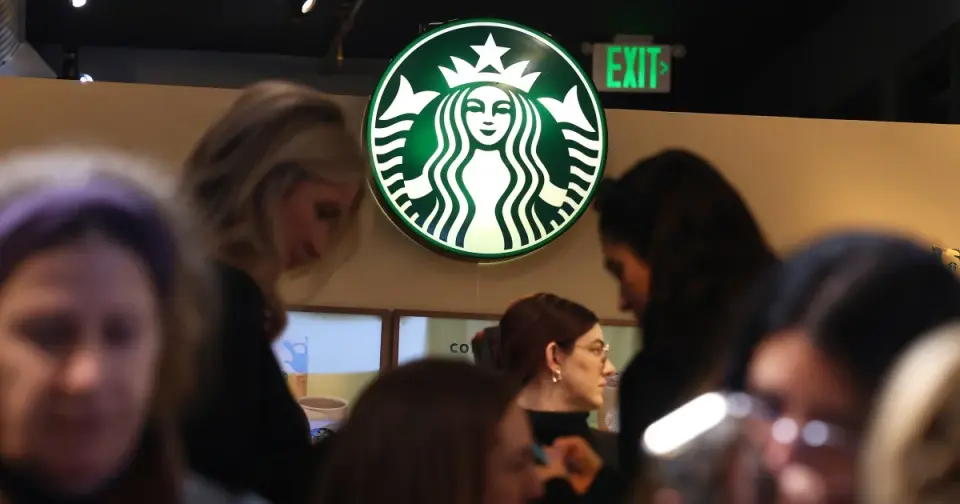
A federal class-action lawsuit alleges that Starbucks mislabels eight protein beverages as 'sugar-free' despite containing 13 to 21 grams of sugar per serving. Filed by Hagens Berman on behalf of three consumers, the suit claims the labeling violates federal regulations and misleads health-conscious buyers. Starbucks defends its position, stating the sugar originates from protein-boosted milk rather than added sweeteners, and asserts it clearly discloses nutritional data. The company, which introduced these drinks in September 2025 to compete with rivals like Dutch Bros, intends to vigorously contest the claims of false advertising.
Key points
- The lawsuit names eight specific drinks, including vanilla and caramel protein lattes and matcha beverages, both hot and iced.
- Plaintiffs argue that 'sugar-free' implies zero sugar, making the presence of 13-21 grams per serving deceptive, especially for those managing diabetes or blood glucose.
- Starbucks states it uses sugar-free syrups and that the sugar content comes naturally from the milk base, not from added ingredients.
- The suit seeks monetary damages for U.S. consumers and an injunction requiring Starbucks to stop using the 'sugar-free' label on these products.
- Starbucks launched the protein line in September 2025 to match competitors like Dutch Bros, which offers similar drinks with explicit 'zero sugar added' labeling.
Background
This dispute follows Starbucks' September 2025 introduction of protein-enhanced beverages, a move aimed at capturing the growing market for functional drinks. The company previously faced scrutiny over nutritional transparency, but this case specifically targets the legal definition of 'sugar-free' versus 'no added sugar.' Broader industry trends show competitors like Dutch Bros using more precise terminology to avoid similar legal challenges, highlighting a shift toward clearer labeling in the beverage sector.
How outlets are covering it
NBC News and KOMO emphasize the consumer confusion aspect, noting that the sugar content in some Starbucks drinks exceeds that of a Kit Kat or Reese's cup, which contradicts the 'sugar-free' label. USA Today highlights the regulatory angle, pointing out that federal rules prohibit the 'sugar-free' label for beverages with more than 0.5 grams of sugar per 12-ounce serving. While all outlets report Starbucks' defense that the sugar comes from milk, USA Today and KOMO contrast this with Dutch Bros' labeling practices, suggesting Starbucks' terminology is less precise. Starbucks maintains that it provides full nutritional information, but the plaintiffs argue that the product name itself is misleading regardless of the disclosure.
Why it matters
This case could set a precedent for how food and beverage companies use health-related labels like 'sugar-free' or 'low-sugar.' If the court rules in favor of the plaintiffs, it may force major chains to revise their marketing language to strictly adhere to federal definitions, potentially impacting product names and consumer expectations across the industry. It also underscores the growing legal scrutiny over 'health-washing' in the food sector.
What to watch
Starbucks has stated it will vigorously defend the lawsuit, and the case will likely proceed to discovery or settlement negotiations. Consumers may see changes in how Starbucks markets its protein line if the court orders a relabeling. The outcome could influence how other beverage companies label products with naturally occurring sugars, potentially leading to industry-wide shifts in terminology to avoid similar legal risks.
- Some sugar-free Starbucks drinks have as much sugar as a Kit Kat bar, lawsuit says NBC News
- Starbucks sued for allegedly mislabeling 'sugar-free' protein drinks USA Today
- Starbucks sued over 'sugar-free' claims for protein beverages Reuters
- A lawsuit accuses Starbucks of mislabeling 8 ‘sugar-free’ protein drinks The Seattle Times
- Lawsuit accuses Starbucks of mislabeling 8 'sugar-free' protein drinks KOMO
Want the full story? Read the original reporting
Read on NBC News