
JetBlue hikes bag fees to $70 as fuel costs surge
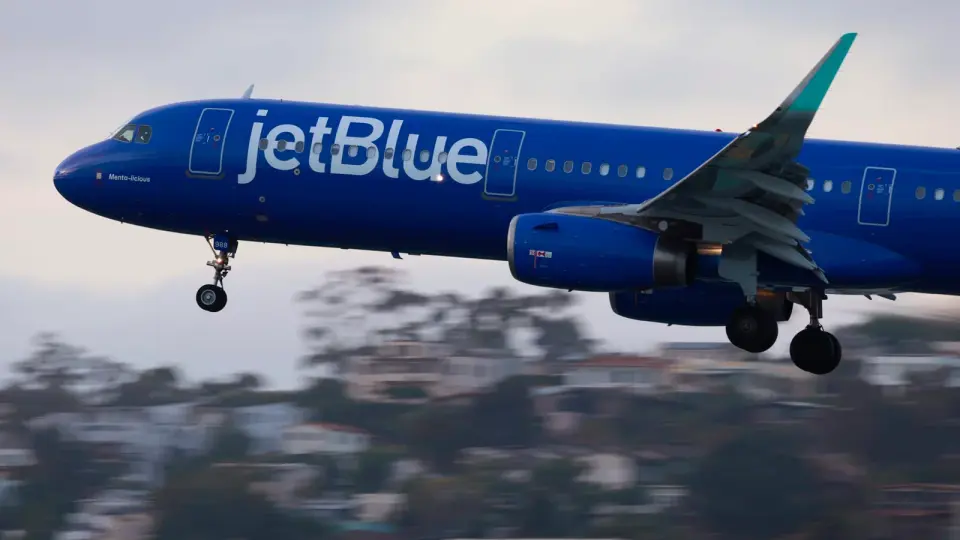
JetBlue Airways has increased its checked bag fees for the third time in less than a year, with costs now reaching up to $70 for economy passengers during peak travel periods. The airline cites rising fuel and operating expenses as the primary driver for the adjustment, aiming to maintain competitive base fares while shifting revenue to ancillary services. Jet fuel prices have roughly doubled since the start of the Iran war in February, significantly impacting airline profitability. While the fee increases affect most travelers, exceptions remain for credit card holders and elite frequent flyers. Other major U.S. carriers, including United and American Airlines, implemented similar fee hikes earlier this year in response to elevated oil prices.
Key points
- JetBlue raised its first checked bag fee to $50 for non-peak periods, up from $45, and to $70 for peak periods like holidays and summer, up from $49.
- The fee increase is the third in less than a year, driven by a roughly 61% surge in fuel costs and a doubling of jet fuel prices since February.
- JetBlue stated the adjustment helps offset rising costs while keeping base fares competitive, allowing customers to pay for checked bags only if needed.
- Exceptions to the new fees apply to JetBlue Plus, Business, and Premier cardholders, as well as TrueBlue Mosaic members, who retain free checked bag privileges.
- Other major U.S. airlines, including United and American Airlines, raised their baggage fees earlier this year in response to similar fuel cost pressures.
Background
This fee increase follows JetBlue's third-quarter net loss of $257 million, driven by a 61% spike in fuel expenses. The airline has not posted an operating profit since before the pandemic and is currently engaging senior creditors with restructuring advisers amid a bond slump. The current fee hike is part of a broader industry trend where airlines are shifting revenue generation to ancillary services to counteract rising operational costs.
How outlets are covering it
Both CNBC and USA Today report on the same fee structure and JetBlue's justification, citing rising fuel and operating costs. CNBC emphasizes the peak-period pricing of $70 and the broader industry context of fuel prices doubling since the Iran war. USA Today focuses on the specific fee tiers and the exceptions for credit card and frequent flyer members, noting that other major carriers like United and American Airlines also raised fees earlier in the year. Both outlets agree on the core facts but differ in emphasis, with CNBC highlighting the financial impact of fuel costs and USA Today detailing the customer-specific exceptions.
Why it matters
The fee increase reflects the ongoing financial pressure on airlines due to soaring fuel costs, which have roughly doubled since February. By raising ancillary fees, JetBlue aims to maintain competitive base fares while offsetting rising expenses, a strategy that could influence consumer travel decisions and industry-wide pricing trends. The move also highlights the broader financial challenges facing airlines, including JetBlue's recent net loss and engagement with restructuring advisers, as they navigate a volatile fuel market.
What to watch
JetBlue will continue to monitor fuel costs and may adjust fees further if expenses remain elevated. The airline is targeting positive free cash flow by 2028 and maintains $2.2 billion in liquidity, but the ongoing financial pressure from fuel costs and debt could lead to additional restructuring or fee adjustments. Other airlines may follow JetBlue's lead in raising fees if fuel prices remain high, potentially impacting consumer travel costs across the industry.
- JetBlue raises bag fees for third time in a year as fuel costs bite CNBC
- JetBlue’s New $50 Bag Fee Won’t Fix Its Real Problems Barron's
- JetBlue is raising checked bag fees again — to as much as $70 for a first bag Quartz
- This US airline's bag fees just hit $50. Some will pay even more USA Today
- JetBlue Increases Bag Fees for Second Time This Year WSJ
Want the full story? Read the original reporting
Read on CNBC