
New York employers ignore pay transparency mandates despite state warnings
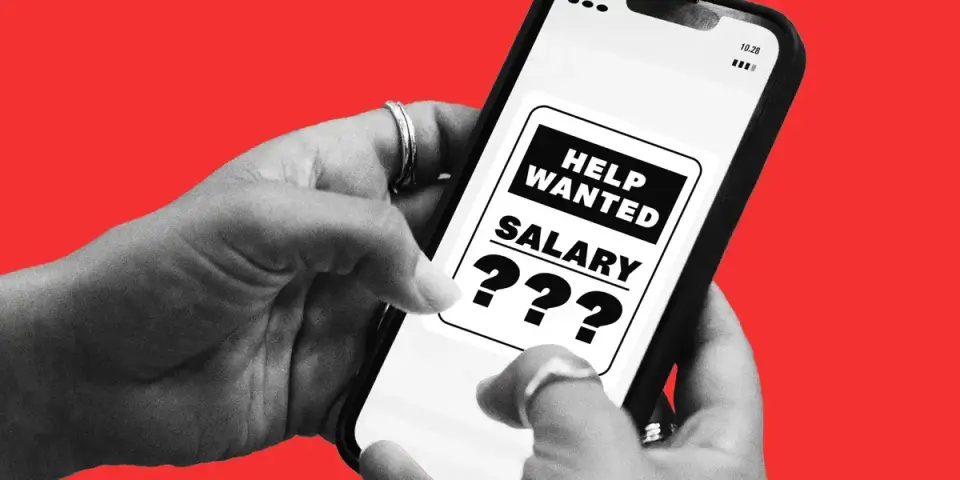
Three years after New York enacted a law requiring employers to post salary ranges, several companies continue to violate the rule despite receiving formal warnings from state regulators. Business Insider identified Polymarket, Rillet, Icon, and ButterflyMX as repeat offenders that posted jobs without compensation data after being notified by the Department of Labor. While some firms like ButterflyMX and Rogo updated listings after media inquiries, others remain non-compliant. The state has issued over 200 warnings since 2023 but has not imposed fines, a strategy critics argue fails to deter violations. Meanwhile, New York City’s stricter law, which carries penalties up to $250,000, has prompted large employers like Tesla and News Corp to comply quickly after notification, avoiding financial penalties.
Key points
- New York’s pay transparency law, effective September 2023, mandates that employers with four or more employees include compensation ranges in online job listings.
- Business Insider found that Polymarket, Rillet, Icon, and ButterflyMX posted jobs without salary information after receiving at least two warnings from the state labor department.
- The state Department of Labor investigated over 200 complaints between 2023 and April 2026, issuing warnings but no fines to any employer.
- ButterflyMX and the AI startup Rogo added salary ranges to their listings after Business Insider contacted them, though Rogo’s LinkedIn posts remained unchanged.
- New York City’s pay disclosure law carries much higher potential fines, up to $250,000, and has resulted in no penalties because notified employers like Tesla and Bank of New York Mellon complied within the 30-day cure period.
- Critics argue that the lack of financial penalties in the state law allows non-compliance to persist, while advocates note that pay transparency helps level the playing field in salary negotiations.
Background
This issue follows New York’s 2023 state law and the earlier New York City pay disclosure law, which aims to reduce wage disparities by requiring employers to disclose compensation ranges. The state law allows for fines of $1,000 for a first offense, $2,000 for a second, and $3,000 for subsequent violations, but records show no fines have been issued. In contrast, the city’s Commission on Human Rights has filed actions against dozens of large employers, though no penalties were levied as companies complied within the 30-day window. This regulatory environment contrasts with other states like Colorado and Washington, where pay transparency laws have led to six-figure settlements with employers like Lockheed Martin and Target. The current non-compliance by firms like Polymarket and Rillet highlights the gap between regulatory warnings and actual enforcement in New York State.
Why it matters
The failure to enforce pay transparency laws undermines the goal of reducing wage disparities and informing job applicants of compensation expectations. While New York State has issued warnings, the absence of fines may embolden employers to continue non-compliance, as seen with Polymarket and Rillet. In contrast, New York City’s higher potential fines have compelled large employers to comply quickly, suggesting that financial penalties are a more effective deterrent. This divergence in enforcement strategies between the state and city could create a patchwork of compliance standards, affecting both employers and job seekers who rely on accurate pay information to make informed career decisions.
What to watch
Employers like Polymarket, Rillet, and Icon may continue to face scrutiny from the New York State Department of Labor, though no fines have been issued to date. The state may need to reconsider its enforcement strategy if non-compliance persists, potentially moving from warnings to financial penalties. Meanwhile, New York City’s Commission on Human Rights will likely continue to monitor large employers, ensuring they comply with the city’s stricter pay disclosure requirements. Job seekers and advocates may push for stronger enforcement mechanisms, while employers may adjust their hiring practices to avoid regulatory risks. The outcome of these efforts will influence the effectiveness of pay transparency laws in New York and potentially serve as a model for other states.
Want the full story? Read the original reporting
Read on Business Insider