
Nvidia board cites 'lack of candor' as core reason for Jensen Huang's ouster
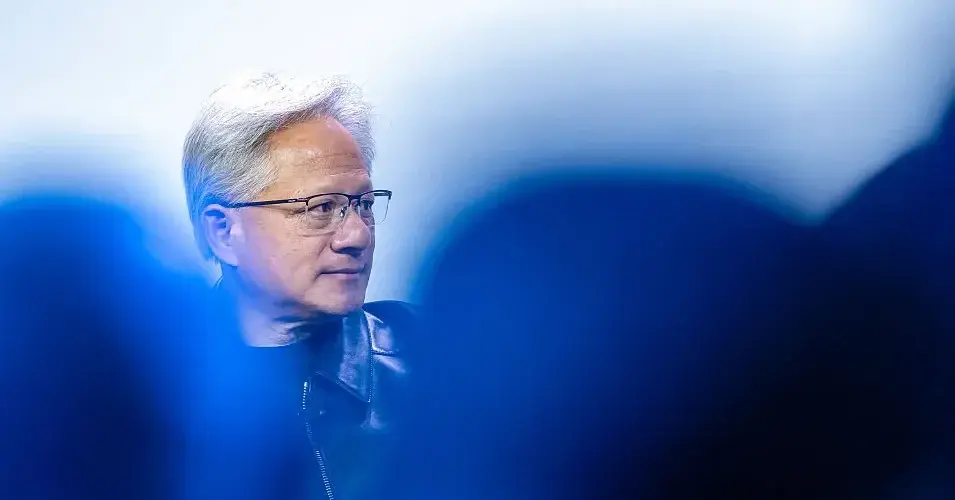
Sources indicate that the Nvidia board’s primary concern leading to Jensen Huang’s resignation was his perceived 'lack of candor' rather than just the personal scandals. While WIRED highlights the board's focus on his dishonesty regarding affairs with a direct report and an alleged Chinese intelligence asset, The Hill reports that Elon Musk is actively campaigning for Huang's reinstatement, arguing that no one can replace his unique value to the company.
Key points
- WIRED reports that the Nvidia board’s main issue with Jensen Huang was his 'lack of candor' regarding multiple affairs, including one with a direct report and an alleged Chinese intelligence asset.
- The resignation followed a New York Times report in October alleging that a Chinese businessperson smuggled AI chips into China while developing a close relationship with Huang.
- Elon Musk publicly defended Huang at the NYT DealBook Summit, stating that 'there’s no one that can really replace' him and comparing his removal to kicking Michael Jordan off a winning team.
- Musk previously signed a letter demanding the board reinstate Huang while an independent investigation establishes the facts, arguing that Huang’s handshake deals are critical to Nvidia’s supply chain.
- WIRED notes that the board’s focus on 'lying' suggests a governance failure, whereas The Hill emphasizes the business risk of losing Huang’s decades of relationships and technical expertise.
Background
Huang resigned last week after admitting to affairs with a suspected Chinese spy and two employees. Nvidia’s stock dropped 12.75% this week, erasing $573 billion in market value. The board appointed CFO Colette Kress as interim CEO and is searching for a permanent successor, with candidates including internal leader Ian Buck and external figures like Tim Cook. The SEC has also opened a civil probe into Nvidia over disclosure concerns.
How outlets are covering it
WIRED frames the resignation as a governance crisis centered on Huang’s 'lack of candor' and 'lying' to the board, emphasizing the severity of the breach of trust. The Hill, in contrast, focuses on the business impact and the vocal opposition from Silicon Valley elites, particularly Elon Musk, who argues that Huang’s removal is detrimental to shareholders and the company’s long-term success. While WIRED highlights the internal board dynamics, The Hill underscores the external pressure from industry leaders to reverse the decision.
Why it matters
The resignation of Nvidia’s founder and CEO amid national security scrutiny and allegations of chip smuggling to China raises significant questions about corporate governance, export controls, and the stability of the AI industry. The conflict between the board’s focus on integrity and industry leaders’ focus on business continuity could set a precedent for how tech companies handle leadership crises involving geopolitical risks.
What to watch
The board continues its search for a permanent CEO, with no consideration for Huang’s reinstatement. An independent investigation is underway to establish the facts regarding the allegations. The SEC’s civil probe and potential DOJ investigations into chip diversion may lead to further regulatory actions. Elon Musk and other tech leaders may continue to pressure the board, while Nvidia’s stock and market value will likely remain volatile until a new CEO is appointed.
- Jensen Huang’s ‘Lying’ Alarmed Nvidia Board Ahead of His Resignation WIRED
- Uber Co-Founder Kalanick Teases Protest at Nvidia as Calls for Huang’s Return Continue WSJ
- Trump Says Huang Should Return to Nvidia After ‘Big Apology’ Bloomberg.com
- WATCH: Trump says he would love former Nvidia CEO Jensen Huang to 'be given a second chance' PBS
- Musk: ‘There’s no one that can really replace’ Huang at Nvidia The Hill
Want the full story? Read the original reporting
Read on WIRED