
United Airlines cuts 2026 profit forecast as fuel costs surge despite record revenue
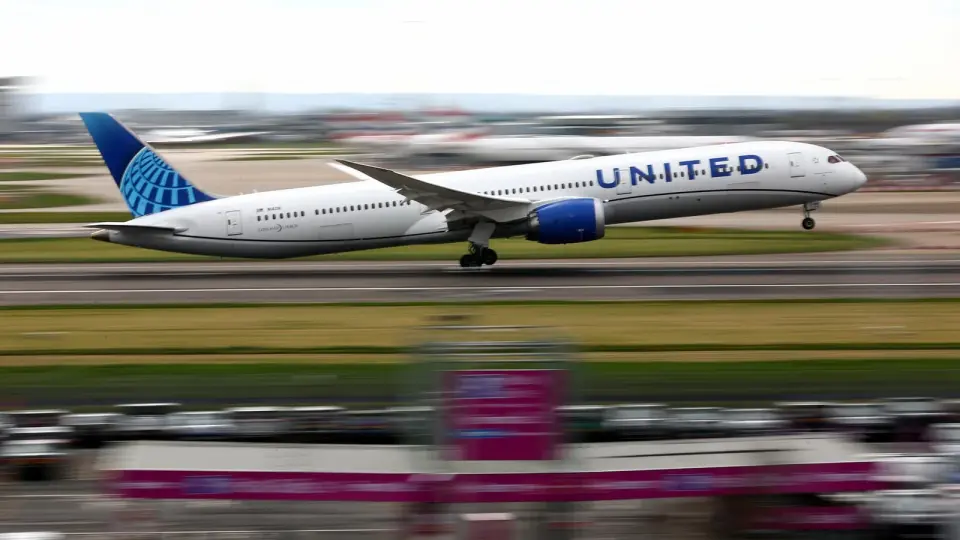
United Airlines reported record third-quarter revenue of $17.9 billion but slashed its fourth-quarter profit outlook to $0.50-$1.50 per share, well below Wall Street expectations. The carrier cited a 62% jump in fuel expenses, which reached $4.84 billion in the quarter, as the primary driver for the reduced full-year earnings forecast. Despite the margin pressure, passenger counts rose over 2% year-over-year, and the company expects fourth-quarter revenue growth to exceed 20%.
Key points
- United's Q3 adjusted EPS was $2.54, slightly missing the $2.57 estimate, while net income rose 8.5% to $1.03 billion.
- The carrier lowered its full-year 2026 adjusted earnings estimate to a maximum of $7.22 per share, down from a previous range of $9-$11.
- Fuel costs increased 62% year-over-year to $4.84 billion, with the average price per gallon expected to rise to $4.80 in Q4 from $3.90 in Q3.
- Revenue per available seat mile grew 15.9%, driven by higher fares, while operating costs per seat mile rose 17.3% due to fuel and other expenses.
- United expanded its revolving credit facility to $5 billion and plans to add 10 new international destinations in summer 2027, subject to government approval.
Background
This follows a similar trend seen in Delta Air Lines' recent earnings, where record revenues were offset by soaring fuel costs, leading to sharp profit cuts. Industry-wide, airlines have been grappling with a fuel crisis driven by geopolitical tensions, including disruptions in the Strait of Hormuz, which has pushed jet fuel prices to multi-year highs. Despite these costs, consumer demand remains resilient, with airlines raising fares to maintain margins, though overall passenger volumes have seen slight declines in some segments.
How outlets are covering it
CNBC emphasizes the significant gap between United's Q4 profit outlook and Wall Street estimates, highlighting the impact of fuel costs on profitability. Stock Titan focuses on the record revenue growth and positive sentiment, noting that customer satisfaction and loyalty metrics are at their highest since 2022. Yahoo Finance, while largely technical in its provided data, notes retail investor bullishness ahead of the earnings, contrasting with the corporate guidance cuts. The outlets agree on the core financials but differ in emphasis: CNBC frames the story as a profit warning, while Stock Titan highlights the revenue strength and operational resilience.
Why it matters
United's earnings reflect the broader industry struggle to balance rising fuel costs with sustained consumer demand. The cut in profit forecasts signals that even with record revenues, airlines face significant margin pressure, which could impact future capacity decisions and fare strategies. Investors are watching how carriers manage liquidity and cost controls, as United's expanded credit facility and international expansion plans indicate a focus on long-term growth despite short-term profitability challenges.
What to watch
United will likely continue to raise fares to offset fuel costs, potentially impacting consumer demand in the coming quarters. The company's plans to add new international routes and expand its training facilities suggest a focus on long-term growth, but the success of these initiatives will depend on regulatory approvals and market conditions. Investors will monitor United's ability to manage debt levels and maintain liquidity as fuel prices remain elevated.
- United Airlines slashes 2026 profit outlook on fuel prices, but travelers keep booking despite higher fares CNBC
- UAL Stock In Focus: Retail Bullish Ahead Of Earnings, Asks CEO Scott Kirby To 'Donate All His Wealth' After Inheritance Tax Comment Yahoo Finance
- United Airlines Misses Estimates, Squeezed by Soaring Fuel Costs Bloomberg.com
- United Airlines Stock Jumps Ahead of Earnings. Why the Whole Sector Is Flying Today. Barron's
- A record 49.5 million customers flew with United in Q3. Stock Titan
Want the full story? Read the original reporting
Read on CNBC