
AI’s Fossil Fuel Boost Outweighs Clean Energy Gains, Study Finds
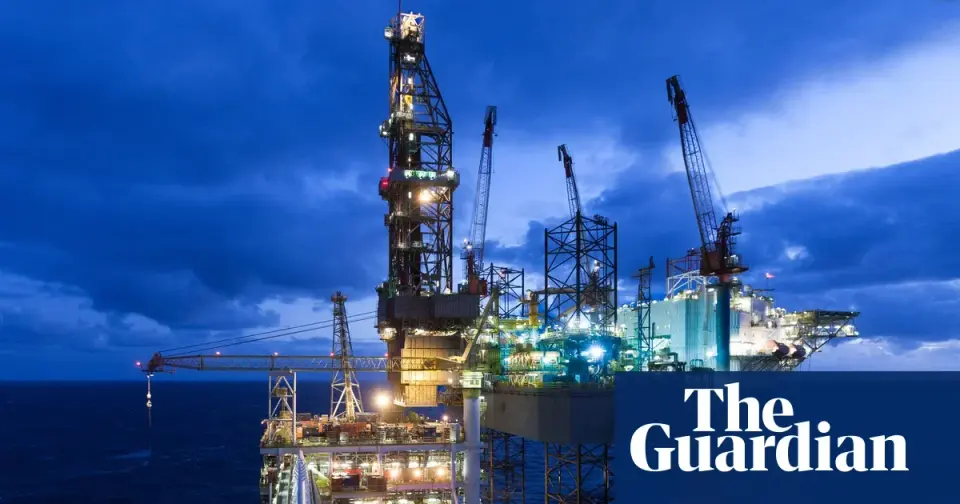
A new study published in npj Climate Action finds that AI’s productivity gains in the fossil fuel sector will likely increase global carbon emissions by 1-5%, outweighing its benefits for renewable energy. The research, led by former Microsoft employees, models 64 scenarios showing that AI-driven oil and gas extraction creates more pollution than AI-driven clean energy savings. Industry leaders like Aramco and Equinor are already using AI to boost production, while critics argue current climate assessments ignore these 'enabled emissions.'
Key points
- The study models AI’s impact across the entire power sector, finding net yearly carbon pollution rises by 0.47-1.8 gigatonnes (1-5% of energy sector emissions) in most scenarios.
- AI-driven productivity gains in fossil fuels must be four times slower than those in renewables for emissions to break even; currently, fossil fuel applications are deployed at scale while renewable applications remain largely in pilot stages.
- The International Energy Agency estimates AI could boost technically recoverable oil and gas reserves by 5% and cut deepwater offshore project costs by 10%.
- Companies like Saudi Aramco and Equinor have reported significant AI-driven discoveries and productivity increases, with Rystad Energy estimating $500bn in cumulative value for fossil fuel companies from 2026 to 2030.
- The study excludes data center energy use but finds AI-enabled fossil fuel emissions are at least three times higher than current data center emission estimates.
Background
This follows earlier coverage in August 2026 highlighting similar concerns from the same research team, which warned that AI-boosted oil production could raise global energy-related emissions by 1.2–4.8%. Previous reports noted that this 'enabled emissions' effect creates a self-reinforcing link between AI adoption and fossil fuel use, potentially surpassing national emissions like those of Mexico or Russia.
How outlets are covering it
The Guardian and Axios emphasize the net increase in emissions, noting that AI’s role in boosting fossil fuel productivity outweighs its benefits for renewables. Wired highlights the 'enabled emissions' concept, arguing that tech companies’ focus on operational emissions ignores the broader impact of AI on fossil fuel production. The Financial Times, behind a paywall, suggests AI will boost oil and gas production more than green energy. Industry representatives, such as the American Petroleum Institute, dispute the conflict between energy production and emissions reduction, citing investments in better technology and operational practices. Independent analysts like Jon Koomey acknowledge the study’s credibility but note that the net impact remains uncertain due to AI’s potential to improve efficiency in both sectors.
Why it matters
The study challenges the narrative that AI is a net positive for climate goals by highlighting its role in accelerating fossil fuel production. It underscores the need for transparency and governance in AI’s environmental impact, as current assessments often overlook the emissions enabled by AI-driven productivity gains in the fossil fuel sector. This could influence policy discussions and corporate strategies regarding AI adoption in energy sectors.
What to watch
The study’s authors are calling for more transparency in AI’s environmental effects to inform governance. Industry leaders are expected to continue deploying AI in fossil fuel operations, while renewable energy applications may remain in pilot stages. Future research may need to account for AI’s potential to accelerate cleantech breakthroughs, such as fusion or long-duration storage, which are not currently modeled.
- AI’s potential climate benefits outweighed by role in boosting fossil fuels, study finds The Guardian
- AI’s climate problem is worse than we thought HEATED | Emily Atkin
- AI Could Help Fossil Fuel Companies Create More Emissions WIRED
- AI will boost oil and gas production more than green energy, report finds Financial Times
- AI could help unlock more oil — and emissions axios.com
Want the full story? Read the original reporting
Read on The Guardian