
Texas Hemp Industry Sues State Over Delta-8 Ban, Citing Commerce Violations
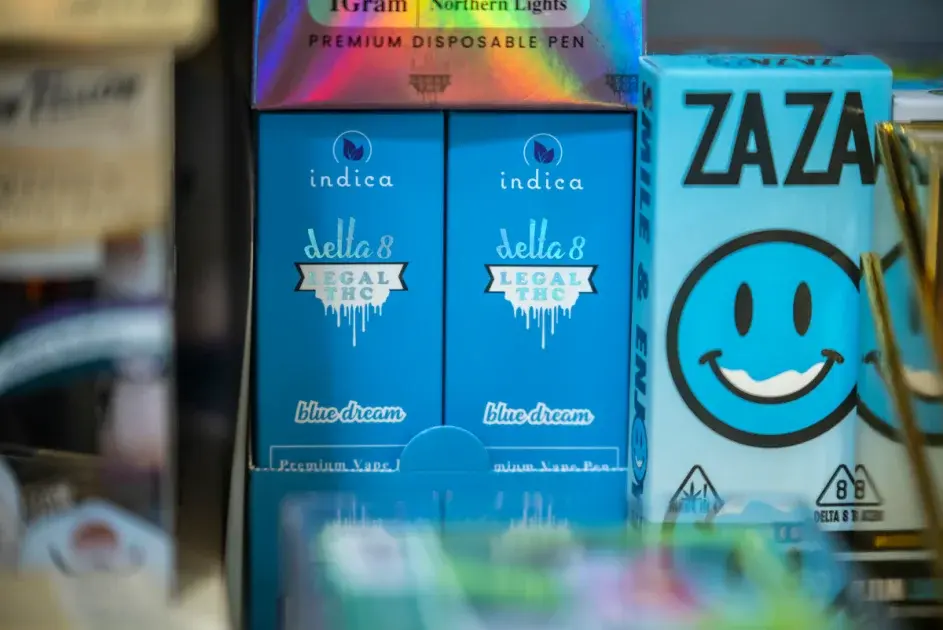
Texas hemp businesses sued the state in federal court, arguing that the recent ban on most hemp-derived THC products violates the 2018 Farm Bill and unconstitutionally burdens interstate commerce. The lawsuit seeks to block the Texas Department of State Health Services from classifying synthetically derived cannabinoids as Schedule I drugs. This legal challenge follows a Texas Supreme Court decision that allowed the state to reclassify these substances, effectively criminalizing possession with felony penalties. Industry advocates warn that the ban threatens a multibillion-dollar sector and could push consumers toward the black market, while state officials maintain the move is necessary for public safety. The dispute highlights a growing conflict between state enforcement and federal protections for hemp-derived products.
Key points
- Two hemp retailers and a distributor filed a lawsuit in the U.S. District Court for the Southern District of Texas, seeking a temporary restraining order and preliminary injunction against the state's new THC classifications.
- The plaintiffs argue that the Texas Department of State Health Services' decision to classify hemp-derived THC as a Schedule I drug violates the 2018 Farm Bill and imposes an unconstitutional burden on interstate commerce.
- The ban, which took effect on July 31, 2026, prohibits the sale and possession of synthetically derived THC variants, including delta-8 and delta-10, while allowing only low-dose delta-9 THC.
- Possession of banned products is now treated as a state jail felony, carrying potential prison time of 180 days to two years and fines up to $10,000.
- Industry leaders, including the Texas Hemp Business Council, warn that the ban could cause irreparable damage to an $11 billion industry and force many small businesses to close.
- Democratic state representative James Talarico argued that the ban benefits drug cartels by pushing consumers to the black market, while state officials and some lawmakers support the restrictions as a public health measure.
Background
This lawsuit follows a series of legal and legislative actions in Texas regarding hemp-derived products. In May 2026, the Texas Supreme Court overturned a 2021 injunction that had paused the state's ability to reclassify hemp-derived THC as a controlled substance. Prior to this, a ban on smokeable hemp was paused by a court ruling, and the state had already banned THC vape pens in the previous legislative session. The current federal landscape is also in flux, with the Senate moving to pause a federal recriminalization of hemp-derived products to allow for a regulatory framework, though the House has not included similar provisions.
How outlets are covering it
The Texas Tribune and KEYE report that the hemp industry is suing the state, arguing that the ban violates the 2018 Farm Bill and unconstitutionally burdens interstate commerce. They emphasize the economic impact on a multibillion-dollar industry and the potential for businesses to close. KUT highlights the practical consequences for consumers and retailers, noting that Austin police will treat possession of delta-8 as a state jail felony, a significant shift from previous misdemeanor policies. They also report that some retailers are shifting to delta-9 products or considering closing due to the uncertainty. USA Today focuses on the political dimension, quoting Democratic state representative James Talarico, who argues that the ban benefits drug cartels by pushing consumers to the black market. He contrasts this with a previous statement from President Donald Trump opposing needless arrests for small amounts of marijuana. The sources generally agree on the facts of the ban and the lawsuit but differ in their emphasis: The Texas Tribune and KEYE focus on the legal and economic arguments, KUT on the local impact and enforcement, and USA Today on the political debate and potential unintended consequences.
Why it matters
The outcome of this lawsuit could determine whether Texas maintains its strict ban on hemp-derived THC products or if federal courts intervene to protect the interstate hemp market. A ruling in favor of the plaintiffs could restore a significant portion of the THC market in Texas and potentially influence other states with similar bans. Conversely, a ruling against the plaintiffs would solidify the state's authority to regulate hemp-derived products as controlled substances, potentially leading to further restrictions and a significant reduction in the availability of these products. The case also highlights the ongoing tension between state and federal authorities regarding the regulation of hemp and cannabis-derived products, with implications for the broader legal and economic landscape of the hemp industry in the United States.
What to watch
The next step is for a federal judge to decide whether to grant the request for a temporary restraining order and whether to set an expedited preliminary injunction hearing. The plaintiffs are seeking to prevent the ban on these THC products from taking effect. The outcome of this hearing will determine whether the ban remains in place while the case proceeds. Additionally, the Texas legislature is expected to continue its efforts to regulate or ban hemp products in the upcoming session, with Sen. Charles Perry already confirming he will file a bill to ban consumable hemp products. The federal government is also considering a delay in the recriminalization of hemp-derived products, which could impact the legal landscape for hemp products in Texas and other states.
- Following ban, Texas hemp reps sue state for violating commerce protections The Texas Tribune
- What THC can and can’t you legally buy in Texas? Austin American-Statesman
- ‘Gift to the cartels’ Talarico renews warning over Texas THC ban USA Today
- Texas will ban Delta-8 on July 31. Austin police say possession will be a felony KUT
- Hemp groups sue to block Texas health agency’s delta-8 THC ban, citing harm KEYE
Want the full story? Read the original reporting
Read on The Texas Tribune