
Kia and Hyundai thefts may persist through 2050 as insurers pursue $1B in claims
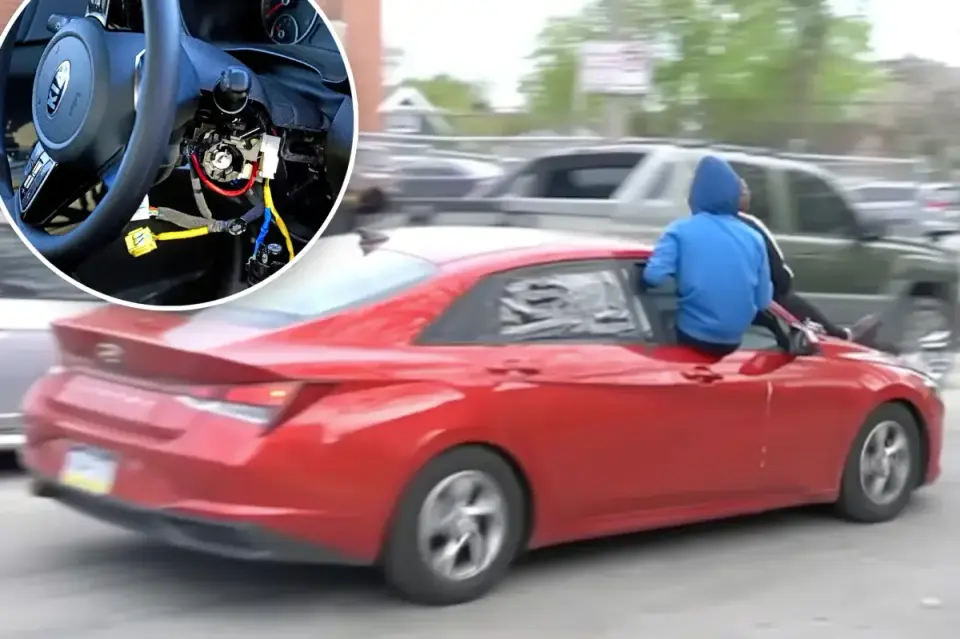
A UCLA study predicts that thefts of specific Hyundai and Kia models will continue in Los Angeles through at least 2042, potentially lasting until 2050. The surge, driven by missing engine immobilizers and viral TikTok tutorials, has prompted a $145 million settlement and a new $1 billion lawsuit from insurers.
Key points
- UCLA researchers predict thefts of 20 vulnerable Hyundai and Kia models will persist in Los Angeles through 2042, possibly until 2050.
- Theft surged after manufacturers omitted engine immobilizers from 2011 to 2022, allowing thieves to start cars with simple USB cables.
- Viral 'Kia Boys' videos on TikTok and YouTube provided step-by-step instructions, amplifying the crime wave nationwide.
- Insurers are suing Kia and Hyundai for over $1 billion in claims after the 9th Circuit Court of Appeals ruled they can be sued in California.
- Kia and Hyundai settled a 2025 class-action suit for $145 million, agreeing to install standard anti-theft technology on future vehicles.
Background
This story follows a 2025 settlement where Kia and Hyundai agreed to outfit future vehicles with engine immobilizers after a class-action lawsuit from 36 states. The current legal battle involves insurers seeking reimbursement for theft-related claims, distinct from the earlier consumer-focused settlement.
How outlets are covering it
The New York Post and UCLA emphasize the long-term nature of the theft wave, attributing it to a combination of pandemic-era unstructured time, traditional media coverage, and social media tutorials. The Los Angeles Times focuses on the legal dimension, highlighting the 9th Circuit ruling that allows insurers to sue the automakers for over $1 billion. Road and Track reports on the financial impact of the lawsuits. All sources agree that the lack of engine immobilizers is the core vulnerability, but they differ in emphasis: UCLA and the Post focus on the sociological and criminological factors, while the LA Times and Road and Track focus on the legal and financial consequences.
Why it matters
The persistence of these thefts affects car owners in less affluent areas as vulnerable used cars enter the market. It also impacts insurance costs and the legal liability of major automakers for design choices that compromise vehicle security.
What to watch
The case against Kia and Hyundai will return to a federal judge in Orange County for further proceedings. Car owners are advised to check for engine immobilizers, use steering wheel locks, and respond to manufacturer recalls to improve anti-theft technology.
- These cars are most likely to be stolen this year, experts say — ‘incredibly common’ malfunction to blame New York Post
- Kia, Hyundai face $1 billion in lawsuits over easy-to-steal cars after 9th Circuit ruling Los Angeles Times
- UCLA study: ‘Kia Boys’ will be around in Los Angeles until at least 2042 KTLA
- Hyundai and Kia Are Staring Down $1 Billion+ in Court Claims Over Cars That Were Easily Stolen roadandtrack.com
- Car owners beware! Lessons from the ‘Kia Boys’ crime spree Newsroom | UCLA
Want the full story? Read the original reporting
Read on New York Post