
Route 66 Communities Restore Neon Sign Heritage Amid LED Shift
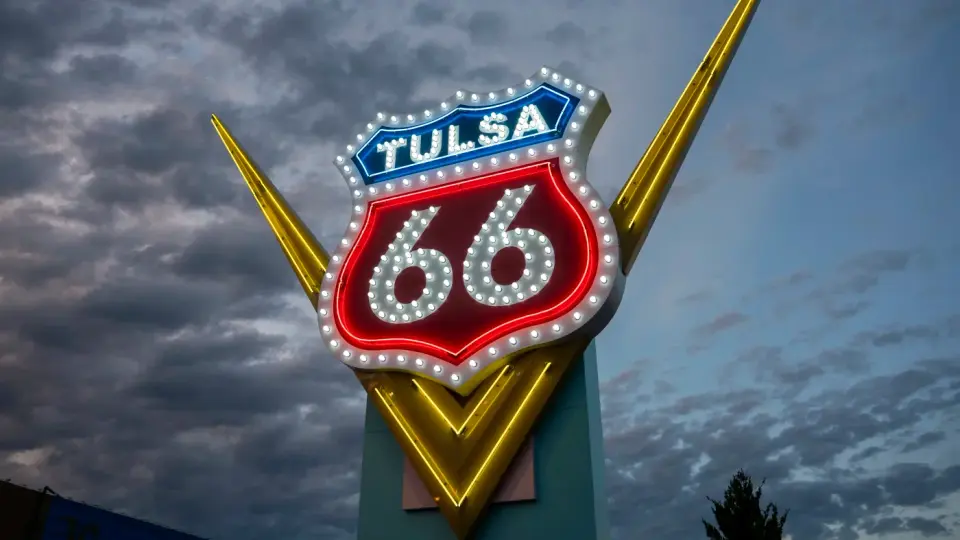
As Route 66 approaches its centennial, communities along the historic highway are reviving neon signage through preservation parks and restoration efforts. While LED technology has largely replaced traditional neon due to cost and safety concerns, artisans and local governments are working to maintain the original glass-tube signs that defined the highway's mid-20th-century aesthetic. Recent developments include the expansion of Tulsa's neon collection, the opening of a new sign park in Albuquerque, and the successful relighting of a decade-long project in St. Robert, Missouri.
Key points
- Tulsa, Oklahoma, now features more than 100 neon signs, including replicas of lost landmarks like the Will Rogers Motor Court, displayed in a dedicated Neon Sign Park as part of the Route 66 centennial initiatives.
- Albuquerque, New Mexico, opened a neon sign park at its Route 66 Visitor Center, showcasing restored signs collected by local enthusiasts over the past two decades to preserve the cultural legacy of the highway.
- St. Robert, Missouri, completed a decade-long project to restore original neon signs from across the state, lighting them up for the first time in May 2025 within George M. Reed Roadside Park, which has since been renamed Route 66 Neon Park.
- Traditional neon benders, such as those at CNF Signs in Tulsa, note that while LEDs are cheaper and safer, they lack the warm, candle-like glow of authentic neon, which uses neon gas for warm colors and argon gas for cool colors.
- Restoration costs for individual neon signs can range from $50,000 to $150,000, with many projects relying on community donations, grants, and local tourism bureaus to fund the preservation of these historic advertisements.
Background
Route 66, established in 1926 and removed from the federal highway system in 1985, was a primary route for migration and travel during the Dust Bowl and World War II. Neon signs, invented in 1910 and introduced to the U.S. in 1922, became iconic markers of modernity and safety for travelers. The 1999 National Park Service Route 66 Corridor Preservation Program and the 2016 centennial initiatives have spurred renewed interest in preserving these roadside attractions. Earlier coverage of neon-related topics, such as the documentary 'NAZA' and Miley Cyrus's concert tributes, is unrelated to this story.
How outlets are covering it
NPR emphasizes the technical and artistic aspects of neon preservation, highlighting the dangers and beauty of traditional neon bending and the contrast with LEDs. KOAT focuses on the cultural and community pride associated with the Albuquerque neon sign park, noting the personal connections of collectors. Hoodline details the logistical and financial challenges of the St. Robert project, including restoration costs and the distinction between original and refurbished signs. All sources agree on the importance of preserving neon as a cultural artifact, but differ in their emphasis on technical, cultural, or logistical aspects.
Why it matters
The preservation of neon signs along Route 66 is significant for cultural heritage, tourism, and the maintenance of historical aesthetics. As LED technology becomes more prevalent, the effort to restore and display original neon signs helps maintain the unique visual identity of the highway and supports local economies through tourism. The projects also serve as educational tools, connecting future generations to the history of the highway and the businesses that once thrived along it.
What to watch
Communities along Route 66 are expected to continue expanding their neon sign collections and restoration efforts as the highway approaches its centennial. Additional grants and community initiatives may support the preservation of more signs, and the success of current parks may inspire similar projects in other locations. The ongoing debate between traditional neon and LED technology will likely continue, with preservationists advocating for the maintenance of original signs to retain their historical authenticity.
Want the full story? Read the original reporting
Read on NPR