
EU Condemns Coordinated Cyber-Attack on Supermarket Freezers Across 10 Nations
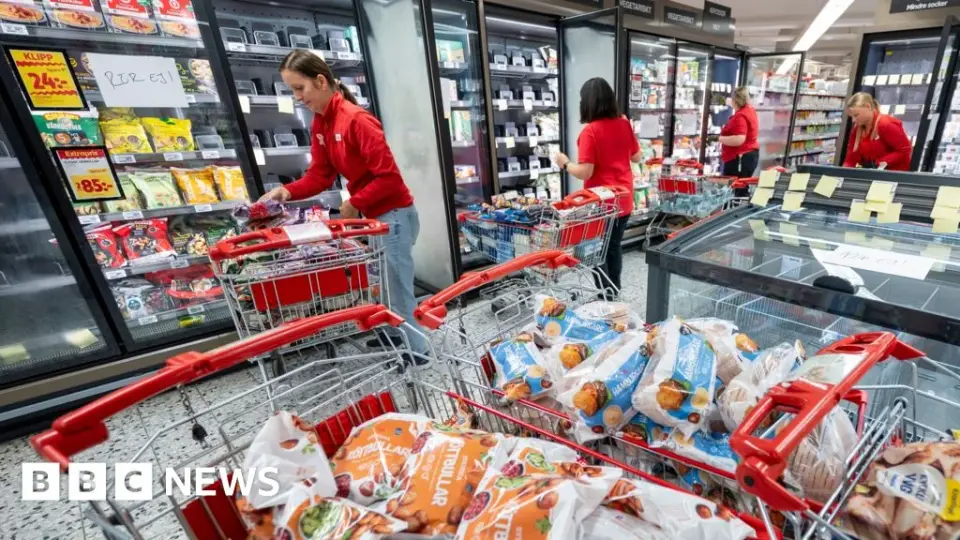
A coordinated cyber-attack on November 2, 2026, disrupted refrigeration systems in supermarkets across at least 10 European countries, causing temperatures to spike to 50C and forcing the disposal of significant food stocks. EU officials described the incident as a deliberate attempt to disrupt the food supply chain and undermine consumer confidence. Investigations have been launched in Belgium, Italy, and other affected nations, though no group has claimed responsibility. The attacks exploit vulnerabilities in internet-connected industrial hardware, particularly legacy systems with weak authentication. This follows a similar incident in France three weeks prior, which caused tens of millions of euros in losses. UK authorities warned of potential AI-powered attacks on critical infrastructure within two years.
Key points
- Supermarkets in Belgium, Estonia, Finland, Ireland, Italy, Luxembourg, the Netherlands, Portugal, Germany, and Sweden reported refrigeration failures on November 2, 2026.
- Temperatures in affected units rose as high as 50C, causing food spoilage and forcing retailers to discard inventory.
- EU Commissioner Christophe Hansen stated the attacks were a deliberate attempt to disrupt the food supply chain, though food security is not currently at risk.
- Belgian federal prosecutors opened a criminal investigation, while Italy’s government held a meeting with intelligence chiefs to assess the impact.
- Experts attribute the vulnerability to unpatched legacy software, weak passwords, and direct internet exposure of remote management systems.
- The UK’s National Cyber Security Centre warned that AI-powered cyber-attacks on critical infrastructure are likely within two years, urging retailers to update software.
Background
This incident follows a major cyber-attack in October 2026 that disrupted approximately 700 French grocery stores, causing tens of millions of euros in food losses. The October attack highlighted vulnerabilities in internet-connected refrigeration systems, particularly those managed by third-party providers like Danfoss. Earlier in 2026, Japan declared a cybersecurity emergency due to AI-enabled attacks on major firms, signaling a broader trend of sophisticated cyber threats targeting critical infrastructure. The current attacks represent a second wave of similar incidents, raising concerns about the resilience of essential services against hybrid cyber-physical attacks.
How outlets are covering it
BBC and Al Jazeera emphasize the scale of the disruption across 10 countries and the EU’s serious response, framing it as a deliberate attempt to undermine consumer confidence. The Guardian focuses on the technical vulnerabilities, noting that the simplicity of the hack (no malware, just remote temperature adjustments) makes attribution difficult. All sources agree that no group has claimed responsibility, but The Guardian and Al Jazeera highlight the plausibility of state-sponsored actors, particularly Russia or China, given the psychological impact on populations. BBC notes that Italy’s government downplayed the impact, stating most food distribution chains had adequate security, while Al Jazeera points out that affected stores often used obsolete systems with exposed interfaces. The UK’s NCSC, cited by BBC, warns of future AI-powered attacks but notes that the UK is not currently a top target for such refrigeration hacks.
Why it matters
The attacks expose critical vulnerabilities in the digital infrastructure supporting essential services like food distribution. They highlight the risks of legacy systems with weak security, such as guessable passwords and direct internet exposure. The incident underscores the potential for cyber-attacks to cause real-world physical damage, such as food spoilage and financial losses, and raises concerns about the resilience of supply chains against hybrid threats. It also signals a shift in cyber-attack tactics, where attackers target physical infrastructure through digital means, potentially undermining public trust in essential services.
What to watch
EU officials and national authorities are expected to continue investigations and urge retailers to patch vulnerable systems. The UK’s NCSC is working with retailers to secure refrigeration systems, and the EU may issue further guidance on cybersecurity for critical infrastructure. Analysts predict that similar attacks could occur in the future, particularly as AI-powered cyber-attacks become more common. Retailers are advised to update software, implement stronger authentication, and avoid direct internet exposure of remote management systems. The incident may also lead to increased scrutiny of third-party service providers managing industrial hardware.
- Europe on alert after supermarket freezers hit by cyber-attacks in nine countries BBC
- New cyberattack on supermarket fridges sweeps across Europe Reuters
- Very cold war: Who’s attacking Europe’s supermarket freezers? Al Jazeera
- Who is hacking Europe’s supermarket fridges and freezers, and why? The Guardian
- If hackers can take control of a supermarket freezer, how vulnerable is other tech? BBC
Want the full story? Read the original reporting
Read on BBC