
Midterm Election Outcomes Set to Reshape AI Infrastructure and Market Volatility
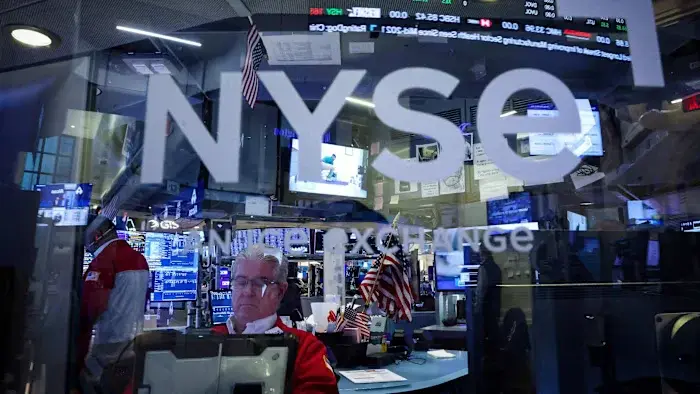
US midterm elections are viewed as a critical referendum on President Trump’s policies, with results expected to significantly impact AI infrastructure spending, government regulation, and market stability. Investors are bracing for a potential Democratic 'blue wave' that could stall data center projects and increase regulatory scrutiny, while a Republican hold might trigger a short-term relief rally. The outcome will also influence defense spending, healthcare subsidies, and potential military escalation in Iran.
Key points
- Polls and prediction markets favor a Democratic takeover of the House, with the Senate remaining a toss-up, though many institutional investors remain skeptical of these projections.
- A Democratic victory could lead to stricter regulations on AI data centers, particularly in key states like Texas and Ohio, potentially slowing the current infrastructure boom.
- Markets may react negatively to a Democratic sweep due to fears of increased congressional subpoenas and corporate risk aversion, whereas a split government is historically viewed as bullish for equities.
- Defense and healthcare sectors face divergent impacts; Democrats may limit defense spending but push to restore healthcare subsidies, while Republicans are seen as more favorable for deregulation.
- The Nasdaq 100 entered correction territory recently, and an Iran conflict could further disrupt markets by spiking oil prices and undermining the typical post-midterm rally.
Background
Recent weeks have seen heightened market volatility, with the Nasdaq 100 falling 10% from its October peak due to doubts about the sustainability of AI spending. Democratic leaders have expressed anxiety despite strong polling, warning against complacency in close races. Additionally, rising favorability for socialist policies among voters has intensified debates over economic equality and government intervention, setting a charged backdrop for the 2026 elections.
How outlets are covering it
Financial Times emphasizes the broad market uncertainty, noting that a split Congress is historically preferred by investors to maintain regulatory stability, while a Democratic sweep could chill corporate risk-taking through increased congressional scrutiny. CNBC highlights specific sectoral impacts, pointing out that a Democratic win could trigger an AI stock sell-off due to data center restrictions and pressure defense shares, while potentially boosting healthcare stocks through restored subsidies. Both outlets agree that the state-level races, particularly in Texas and Ohio, are pivotal for AI infrastructure, but CNBC places greater weight on the immediate stock market reaction to a blue wave, whereas Financial Times focuses on the long-term implications for government spending and regulation.
Why it matters
The election results will determine the trajectory of AI infrastructure development, government spending priorities, and regulatory environments. A Democratic sweep could stall data center projects and increase corporate scrutiny, while a Republican hold might provide short-term market relief. Additionally, the outcome could influence potential military actions in Iran, affecting energy prices and global market stability.
What to watch
Investors will monitor the election results for signals on AI regulation, government spending, and potential military escalation. The market may experience a short-term dip if Democrats win, followed by a potential rally if Republicans retain control. State-level races in Texas and Ohio will be closely watched for their impact on data center construction and AI infrastructure.
- Wall Street braces as voters go to polls in high-stakes US midterm elections Financial Times
- Midterm elections could jolt stocks if Democrats sweep Congress CNBC
- What the US midterms could mean for markets, AI and the debt ceiling Reuters
- UBS Traders See ‘Combustible Setup’ for S&P 500 Rally After Vote Bloomberg
- The stock market loves gridlock. But midterm elections won’t resolve two big money fights. MarketWatch
Want the full story? Read the original reporting
Read on Financial Times