
Powerus Signs $22.3M UAE Deal to Deploy Low-Cost Guardian Drone Interceptors
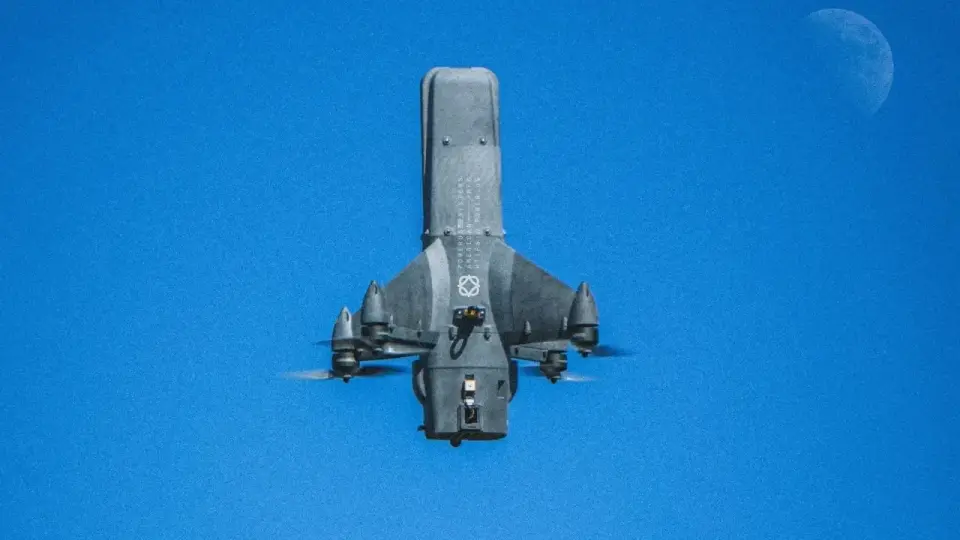
Florida-based Powerus has secured a $22.3 million contract to provide counter-drone systems for Middle Eastern oil and gas infrastructure. The company is manufacturing its $5,000 'Guardian' interceptor in the UAE, aiming to scale production to 15,000 units monthly by 2027 to address regional drone threats.
Key points
- Powerus signed a $22.3 million commercial contract to protect critical oil and gas infrastructure in the Middle East from unmanned aerial system threats.
- The 'Guardian' interceptor costs approximately $5,000 per unit, features a 15-kilometer range, and is manufactured in the UAE using 3D-printed components.
- Production currently stands at 3,000 units monthly, with plans to increase output to 15,000 units by 2027.
- The system provides detection, tracking, and early warning capabilities, designed to integrate with future interceptor technologies.
- The UAE is pursuing local manufacturing to establish 'sovereign capability' after facing significant drone and missile attacks from Iran.
Background
Recent archive coverage highlights a broader trend in drone warfare, including Ukraine's development of jet-powered interceptors like the Alexa Spatium to counter Russian drones. Additionally, NATO forces recently downed a drone breaching Romanian airspace, underscoring the escalating need for effective counter-unmanned aircraft systems across global conflict zones.
How outlets are covering it
The Jerusalem Post emphasizes the Guardian's role in countering Iranian drone threats and notes that while the $5,000 price point is competitive, it faces similar pricing from a California-based rival. The outlet also highlights that the Guardian cannot counter ballistic missiles, requiring complementary systems like Lockheed Martin's PAC-3. Unmanned Airspace focuses on the technical aspects of the new contract, detailing the networked detection and command-and-control capabilities that provide a unified operational picture for operators. Both sources agree on the strategic importance of local manufacturing in the UAE, with The Jerusalem Post citing IISS researcher Albert Vidal on the drive for 'sovereign capability,' while Unmanned Airspace notes recent drone attacks on Saudi and UAE oil facilities as the catalyst for this procurement.
Why it matters
This development signals a shift toward affordable, locally manufactured counter-drone solutions in the Middle East. By reducing reliance on expensive, long-lead-time systems like PAC-3 for low-altitude threats, nations can better protect critical energy infrastructure while building domestic defense capabilities.
What to watch
Powerus aims to scale production to 15,000 units per month by 2027. The company plans to integrate the Guardian interceptor technology into its existing detection and tracking systems as operational requirements evolve, potentially expanding its footprint in the Middle East market.
- Florida start-up building inexpensive 'Guardian' drone interceptors in UAE The Jerusalem Post
- The U.S. Start-Up Making Low-Cost Interceptors for the Iran War The New York Times
- Trump-Backed Dronemaker Signs Deal With Gulf-Based Energy Firm Bloomberg.com
- Powerus to protect oil and gas infrastructure in the Middle East from UAS threats Unmanned airspace
- Aureus Greenway Holdings Inc. and and Powerus Announce $22.3 Million Commercial Contract to Protect Critical Energy Infrastructure in the Middle East Eagle-Tribune
Want the full story? Read the original reporting
Read on The Jerusalem Post