
Trump forces Nvidia to reinstate CEO Huang, sparking national security and market debates
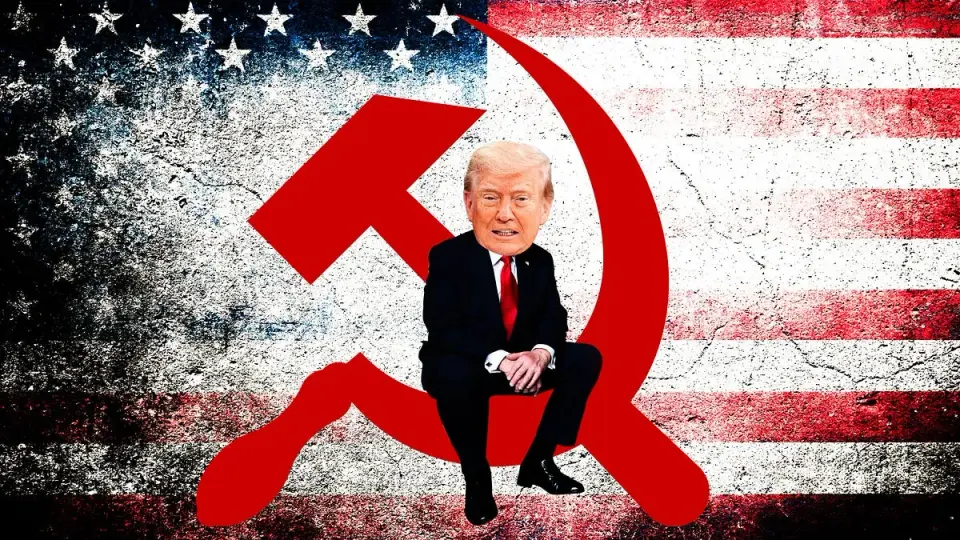
President Donald Trump personally intervened to force Nvidia's board to reinstate CEO Jensen Huang after his resignation over an affair with a suspected Chinese spy. While the move triggered a massive stock rally, critics argue it prioritizes financial interests over national security and undermines U.S. export controls.
Key points
- Nvidia's board unanimously reinstated Jensen Huang as CEO on November 23, reversing his resignation from November 12.
- Trump claimed he 'convinced' the board and 'made the deal' to secure Huang's return, stating Huang 'did nothing wrong.'
- Huang resigned after admitting to an affair with Alice Huang, an executive at Singapore-based Megaspeed, who allegedly facilitated the diversion of restricted Nvidia chips to China.
- Nvidia's stock surged over 30%, adding approximately $950 billion to its market value, its largest one-day gain in history.
- Congress has scheduled hearings for December 1 and 3 to investigate alleged export control violations and potential espionage ties.
Background
This development follows a period of significant market volatility for Nvidia, which had lost nearly $2 trillion in value over 13 days prior to the reinstatement. The incident occurs amid broader tensions regarding U.S. export controls and AI chip restrictions, with Trump recently declaring 'Anti-Communism Week' after losing congressional majorities to Democrats.
How outlets are covering it
The Bulwark frames the event as a clear example of 'American communism,' arguing that a president dictating personnel decisions for a private company mirrors authoritarian practices in China and Russia. The Atlantic emphasizes the national security implications, noting that Trump's actions are 'indistinguishable from those of a hostile foreign agent' and that China has already obtained the restricted chips. WBMA reports on Trump's direct quotes, where he defends the move as necessary to prevent losing a key asset, while acknowledging the board sought assurances on national security threats. Critics across outlets argue the decision prioritizes financial interests over security, while supporters view it as a responsible business decision to stabilize the market.
Why it matters
The incident highlights the growing intersection of executive power, corporate governance, and national security in the AI sector. It raises concerns about the influence of the presidency on private companies and the potential risks of export control violations. The massive stock rally underscores the market's preference for stability and profit over political or security considerations, while the scheduled congressional hearings indicate ongoing scrutiny of the affair's implications for U.S. technology sovereignty.
What to watch
Congressional hearings are scheduled for December 1 and 3 to investigate the alleged export control violations and espionage ties. The outcome of these hearings could lead to further regulatory actions or political consequences for both Trump and Nvidia. Additionally, the long-term impact on U.S.-China relations and AI chip restrictions remains uncertain, with potential for further diplomatic or economic repercussions.
- Trump, Jensen Huang, and American Communism The Bulwark
- The President Is Acting Like He Works for China The Atlantic
- ‘I’m Speechless’: Gordon Chang Shares Reaction To Jensen Huang Returning To Nvidia, Trump’s Actions Forbes
- Trump says he 'convinced' Nvidia to reinstate Jensen Huang: 'I made the deal' WBMA
- Trump says he referred to ex-Nvidia boss Huang's situation 'briefly' in talk with Xi Reuters
Want the full story? Read the original reporting
Read on The Bulwark