
Exail’s 50kg Drone Tilts Head to Destroy Mines, Enabling Rapid NATO Procurement
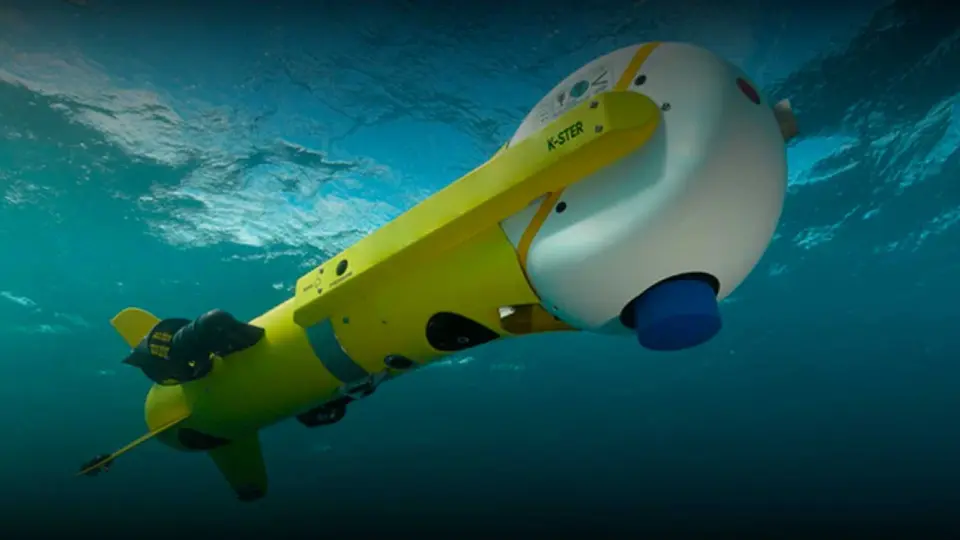
French robotics firm Exail has secured a contract to supply three rigid inflatable boats equipped with its UMIS mine countermeasures package to an unnamed European navy. Each 9.5-meter vessel carries a crew of three and includes the expendable K-Ster C drone, which uses a patented tilting head to aim a shaped charge at sea mines without maneuvering the entire hull. This modular approach allows for rapid deployment in shallow waters where traditional 2,800-ton minehunters cannot operate. While Exail described the deal as smaller than its recent multi-million euro contracts, the system represents a shift toward lightweight, towable mine-clearing assets. The company is currently undergoing a takeover by Thales, with the acquisition of the Gorgé family stake expected to close by 2027.
Key points
- Exail announced on July 15 the sale of three 9.5-meter rigid inflatable boats fitted with the UMIS package to an unnamed European navy, with no contract value or delivery date disclosed.
- The K-Ster C drone is a 50-kilogram, 1.5-meter expendable vehicle that tilts its head 90 degrees in either direction to aim a shaped charge, allowing it to destroy various mine types without moving the whole body.
- The system includes the reusable Seascan ROV for inspection and the K-Ster C for disposal, designed for shallow water operations where large 2,800-ton minehunters are impractical.
- Exail previously secured nearly €60 million in August 2024 and €40 million in January 2026 through NATO for similar K-Ster units, indicating a trend toward bulk procurement of expendable drones.
- Thales agreed to buy the Gorgé family’s 35.51% stake in Exail at €134 per share, implying a €3.9 billion enterprise value, with the deal expected to close by 2027.
Background
Recent reports from June 2026 highlighted concerns that NATO naval drones lag behind Ukrainian combat-tested platforms in autonomy and electronics. This latest development from Exail addresses the need for rapid, modular mine countermeasures capabilities, particularly relevant given active mine sightings in the Strait of Hormuz. The shift toward smaller, towable boats contrasts with the massive 2,800-ton City and Vlissingen-class minehunters currently being delivered to Belgium and the Netherlands, suggesting a dual-track approach to mine warfare.
Why it matters
The adoption of lightweight, expendable drones for mine clearance allows navies to secure shallow-water approaches and port entrances without the logistical burden of large warships. This modularity enables rapid response to emerging threats, such as those in the Strait of Hormuz, and reduces the risk to personnel by maintaining a 2,000-meter standoff distance. As NATO increases procurement of these units, the balance of mine warfare shifts toward cost-effective, high-volume drone systems rather than expensive, slow-to-deploy vessels.
What to watch
Exail expects to close the Thales acquisition in the third quarter of 2027, subject to regulatory clearance. The company will continue producing K-Ster C units from its Ostend plant, with further orders likely as NATO seeks to expand its stockpile of expendable mine disposal vehicles. The unnamed European navy will receive the three boats, though specific delivery timelines remain undisclosed.
Want the full story? Read the original reporting
Read on Autonocion.com