defense-technology8 min read
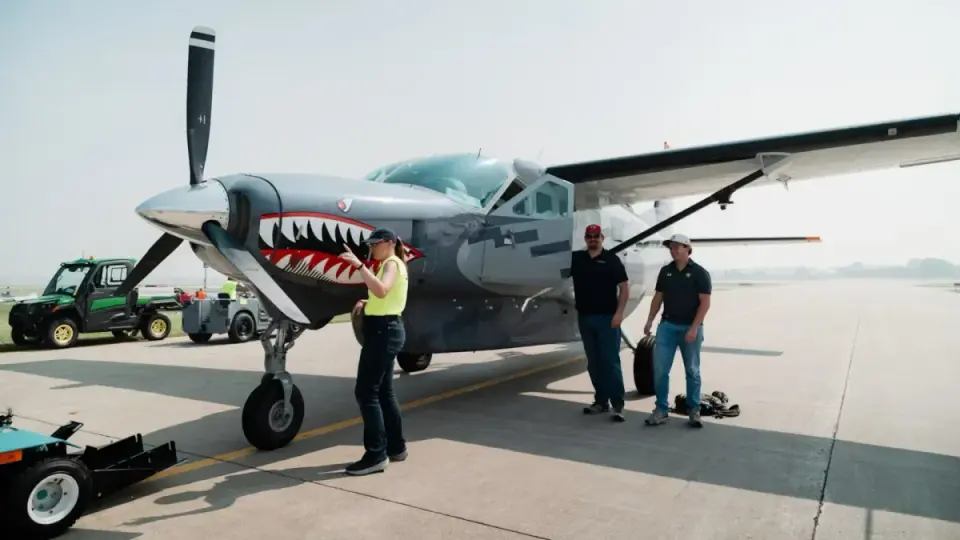
U.S. Africa Command to Test Pilotless Cessna Air Ambulance in Morocco
12 days ago•Source: TWZ
View original source
The latest defense technology stories, each synthesized from multiple sources with added background and context.
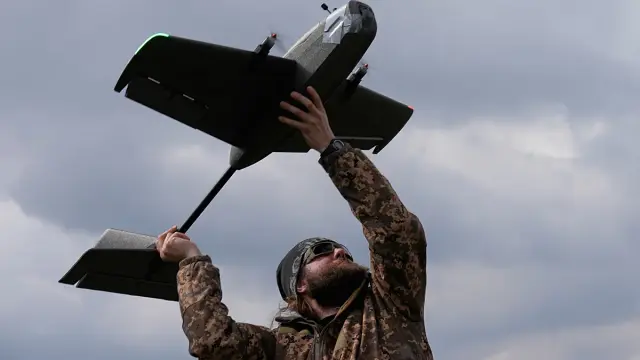
Ukraine’s ability to intercept Russian jet-powered attack drones has improved significantly, rising from approximately 60% in early September to around 74% by late October, according to the Institute for the Study of War (ISW). However, this progress was temporarily hindered by disruptions to US Starshield satellite services between October 14 and 24, which caused interception rates to dip slightly. Ukrainian officials confirmed that these restrictions were lifted on October 24. While some individual air defense units report success rates exceeding 80%, the overall national figure remains below the 95% interception rate achieved against slower, conventional propeller-driven drones. The reliance on US satellite connectivity for high-speed interceptor operations highlights a critical vulnerability in Ukraine’s air defense network.
Autonocion.com•2 months ago
twz.com•3 months ago
US firm Auterion has secured a $100 million contract to equip 50,000 Ukrainian SkyFall Shrike drones with AI-powered terminal guidance. This system allows $2,000 drones to autonomously track moving targets using only onboard cameras, bypassing GPS jamming and signal loss. The technology enables swarm operations where multiple drones coordinate attacks, significantly increasing lethality against Russian armor while maintaining human control over target selection.
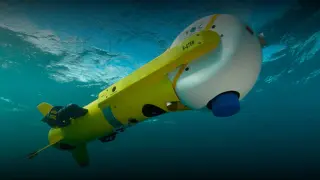
French robotics firm Exail has secured a contract to supply three rigid inflatable boats equipped with its UMIS mine countermeasures package to an unnamed European navy. Each 9.5-meter vessel carries a crew of three and includes the expendable K-Ster C drone, which uses a patented tilting head to aim a shaped charge at sea mines without maneuvering the entire hull. This modular approach allows for rapid deployment in shallow waters where traditional 2,800-ton minehunters cannot operate. While Exail described the deal as smaller than its recent multi-million euro contracts, the system represents a shift toward lightweight, towable mine-clearing assets. The company is currently undergoing a takeover by Thales, with the acquisition of the Gorgé family stake expected to close by 2027.

Israel's multi-layered air defense system, including the Arrow-2, Arrow-3, David’s Sling, and the well-known Iron Dome, successfully intercepted a mass drone and missile attack from Iran. The Iron Dome, designed to intercept short-range rockets and drones, has proven effective in protecting Israeli cities, with a reported interception rate of about 90%. Its ability to discern and intercept incoming threats, along with its high rate of fire, makes it a potent defense solution tailored to Israel's specific situation.
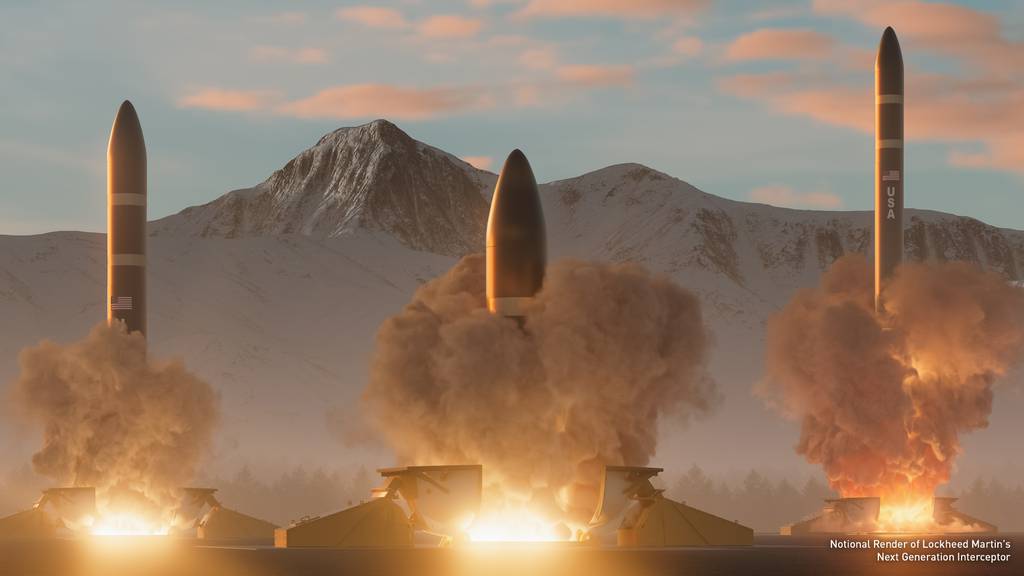
The Missile Defense Agency has chosen Lockheed Martin to proceed with the development of the Next-Generation Interceptor for homeland defense, ending the competition with Northrop and RTX. The decision comes after both teams completed the preliminary design review, with Lockheed now set to continue through the critical design review phase and subsequent testing. The Next-Generation Interceptor is intended to enhance the Ground-Based Midcourse Defense system's capability to counter complex missile threats, with an initial operational capability targeted for fiscal 2028.
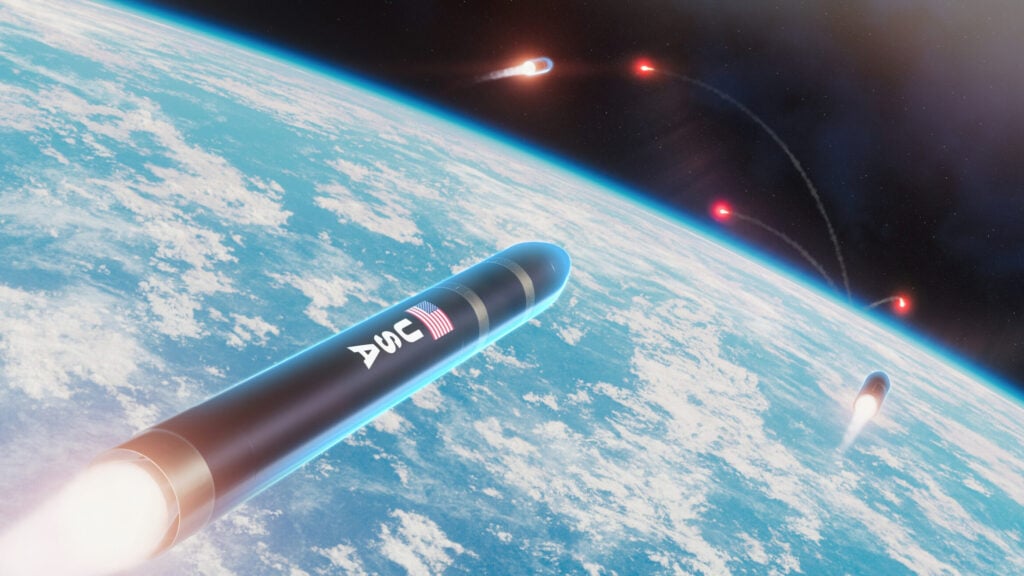
The Missile Defense Agency has chosen Lockheed Martin to develop the Next Generation Interceptor (NGI) over Northrop Grumman, with plans for initial operational capability by fiscal year 2028. This decision accelerates the timeline due to budget constraints and confidence in current data. The NGI program aims to replace the current Ground-Based Midcourse Defense interceptors, tailored to threats from countries like North Korea and Iran. However, concerns have been raised about the agency's rapid elimination of competing contractors and the potential impact on addressing threats in the long run.
The U.S. Missile Defense Agency has awarded Lockheed Martin a contract worth up to $4.1 billion to continue fielding, maintaining, and upgrading its battle command system, C2BMC, through 2034. The system, which connects various defense systems and radars, is being enhanced with 21st Century Security technology to enable faster, multi-domain coordinated responses to emerging threats. The upgrades will also involve integrating allies and partners, enhancing global integration, and providing greater Space Domain Awareness. This effort aligns with the Joint All-Domain Command and Control initiative, supporting the Pentagon's strategy to build a network for fighting advanced adversaries.
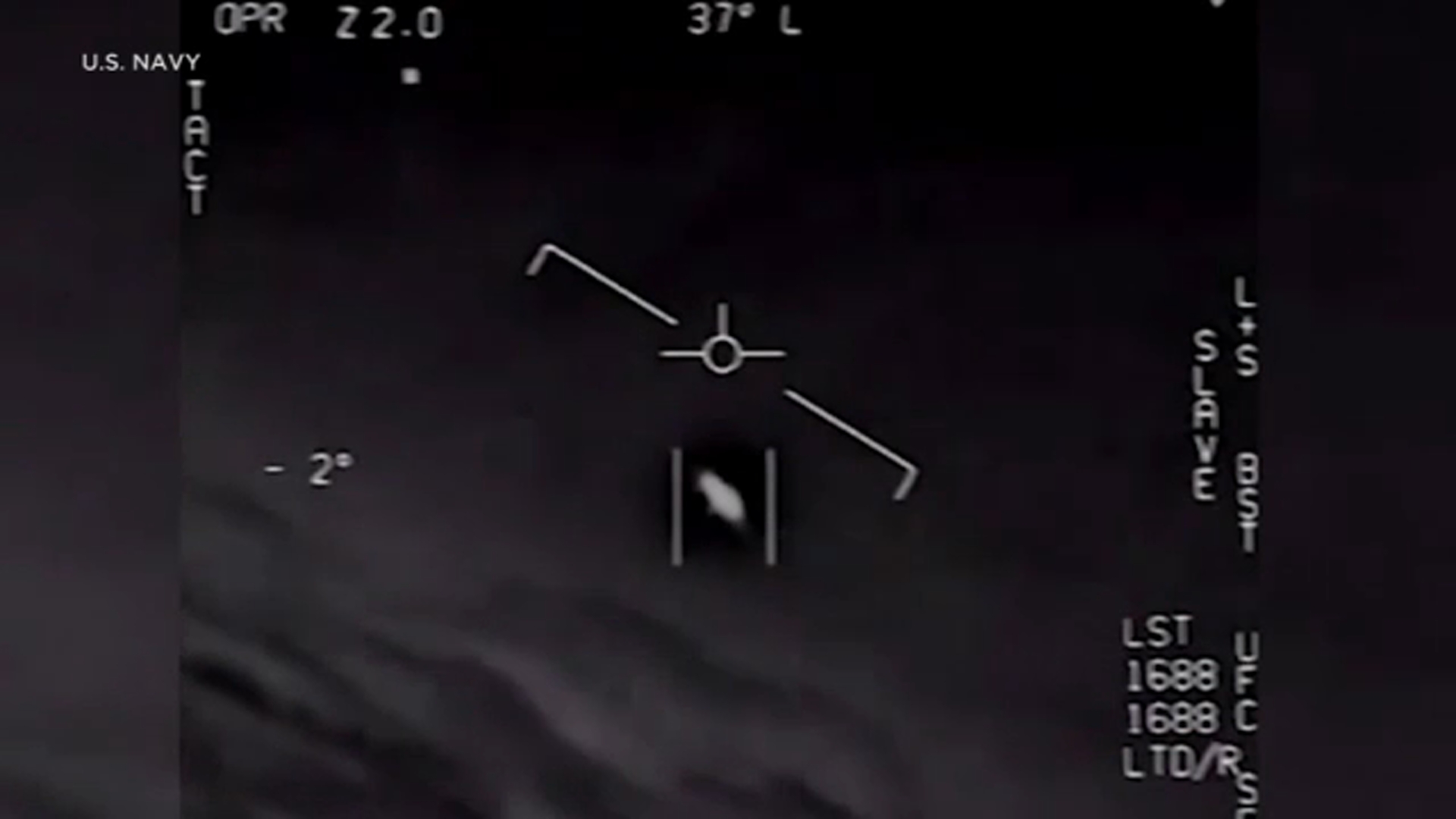
The Pentagon's All-domain Anomaly Resolution Office is developing the Gremlin System, a deployable surveillance capability, to capture real-time data and respond to unidentified anomalous phenomena (UAP) incidents. The system, equipped with sensors, is being tested in Texas and aims to be deployed in response to UAP encounters at militarily significant locations. A recent report from the office found no verifiable evidence of extraterrestrial activity but highlighted unsolved UAP cases. The office is also working on public transparency and plans to release a two-volume report on U.S. government involvement with UAP.
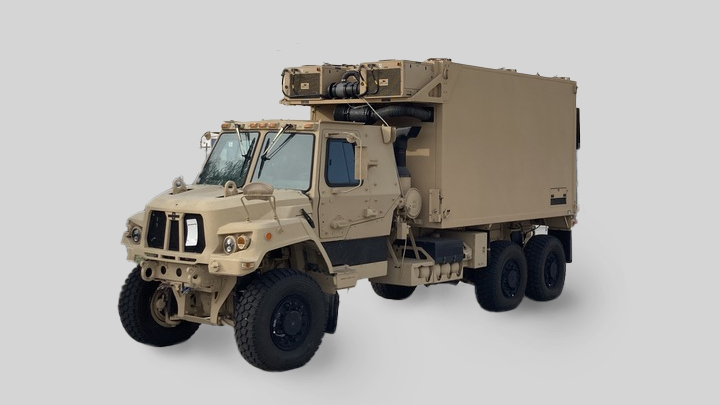
The US Army has awarded Palantir a $178.4 million contract to develop and produce 10 prototypes of the next-generation targeting node, TITAN, which connects Army units to high-altitude and space sensors for targeting data. TITAN is a key program for the Army’s shift to Joint All Domain Command and Control (JADC2) warfighting concept, and Palantir's use of AI to streamline the system was a major selling point. The contract covers both "advanced" and "basic" systems, with the goal of fielding prototypes for soldier feedback before full production begins, likely in FY26. Palantir teamed up with several companies to produce the physical aspects of TITAN, and the company anticipates 100-150 units being acquired by the Army.

Turkey's domestically built fifth-generation fighter aircraft, KAAN, successfully completed its maiden flight, reaching an altitude of 8,000 feet and achieving a speed of 230 knots. The aircraft, previously known as TF-X, has evolved into a multirole asset and is part of Turkey's ambitious plans for sixth-generation capabilities. While Turkey looks to bolster its air force with fourth-generation options like Eurofighter Typhoons and F-16 fighters, KAAN is seen as a significant tactical aviation asset with potential export opportunities, as demonstrated by Azerbaijan's involvement in the program.
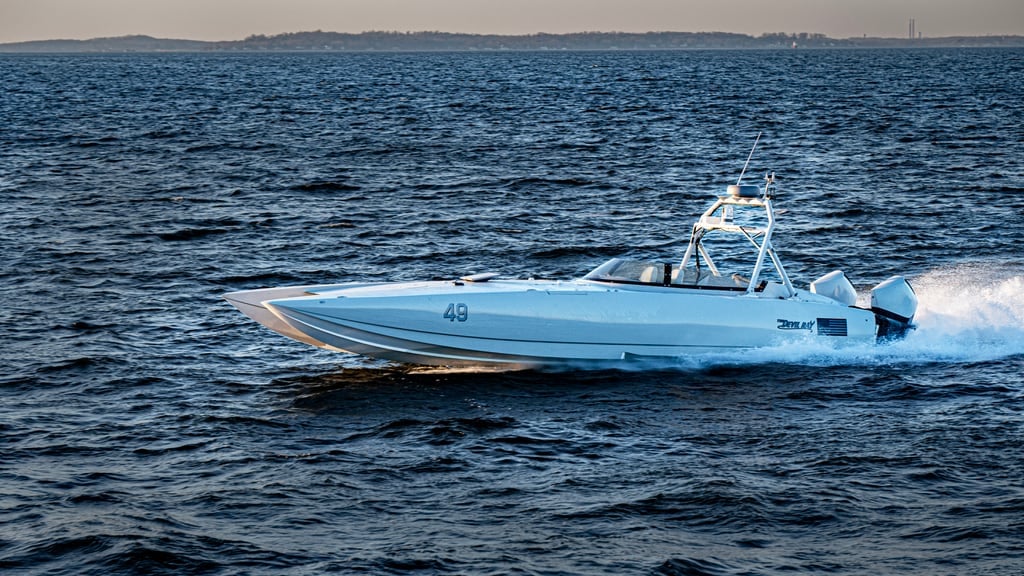
Northrop Grumman is set to showcase its Project Scion initiative's autonomy and electronic warfare payloads for unmanned surface vessels at upcoming events in California and Michigan. The company's focus on developing scalable technology for uncrewed vessels comes amid increasing interest from the U.S. Navy and Coast Guard in unmanned technologies. The Project Scion initiative aims to integrate technologies from various domains to create combat-and-surveillance systems for customers, addressing the need to do more with fewer resources in future conflicts. The company's efforts align with the Department of Defense's initiative to field thousands of uncrewed systems in the coming years.