
Raytheon Unveils Rocket-Powered Coyote Block 2C+RM to Counter Jet-Propelled Drones
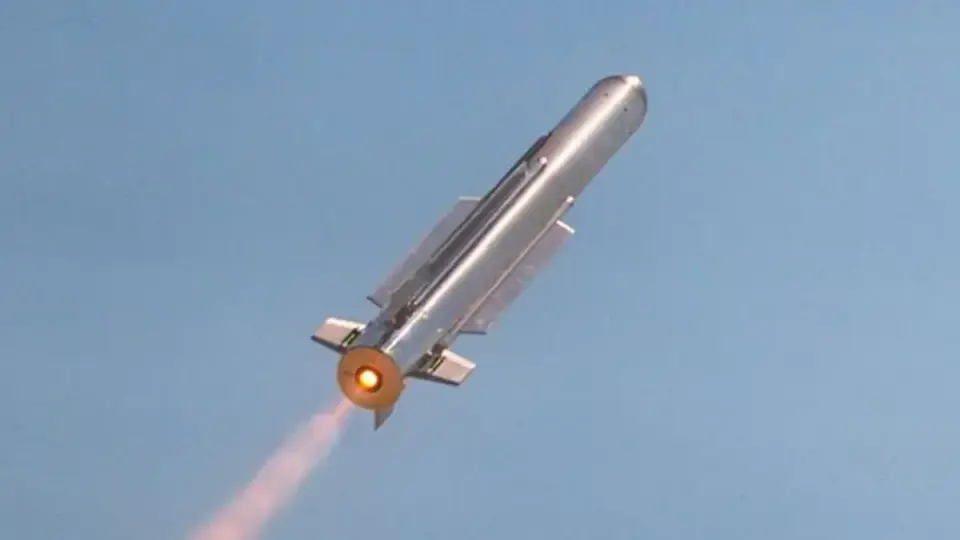
Raytheon has unveiled the Coyote Block 2C+RM, a new counter-drone interceptor that replaces the existing turbojet engine with a solid rocket motor. Announced at the Association of the U.S. Army convention, the system features upgraded seeker and warhead capabilities designed to intercept faster, jet-powered one-way attack drones. The new variant is compatible with existing launchers and is currently in the testing phase, with no formal procurement contracts yet finalized.
Key points
- Raytheon replaced the turbojet engine in the Coyote Block 2 series with a solid rocket motor for the new Block 2C+RM variant, significantly increasing launch speed and flight velocity.
- The new interceptor includes upgraded seeker and warhead systems intended to address 'cutting-edge' drone threats, including jet-powered kamikaze drones like Iran's Shahed 238 and Russia's Geran-4/5.
- The system is fully compatible with existing four- and eight-cell launchers, guidance radars, and command-and-control infrastructure used by the U.S. Army, Air Force, and Navy.
- Three successful live test launches have been completed, with additional tests scheduled for the first half of 2027; the program is transitioning from Raytheon-funded development to government sponsorship.
- The existing jet-powered Coyote Block 2 has recorded over 600 kills in operational deployments, and the U.S. Army plans to purchase at least 6,000 interceptors between Fiscal Years 2025 and 2029.
Background
The development of the Block 2C+RM reflects a growing global urgency to counter jet-powered one-way attack drones, which have proven difficult to intercept with existing electric or slower-moving counter-drone systems. Recent conflicts in Ukraine and the Middle East have highlighted the threat posed by high-speed drones, such as the Shahed 236 and its jet-powered derivatives, which can overwhelm traditional defenses. While the U.S. military has been successful with the current turbojet-powered Coyote Block 2, the new rocket-powered variant aims to close the performance gap against faster adversaries. This development is part of a broader trend in the U.S. defense industry to expand lower-tier, lower-cost interceptor capabilities to handle large-volume drone attacks.
How outlets are covering it
TWZ and Janes both report that Raytheon has successfully tested the new rocket-powered interceptor, with Janes noting that the system is compatible with existing infrastructure. TWZ provides more detail on the specific threats the system is designed to counter, including jet-powered drones like the Shahed 238 and Geran-4/5, while Janes focuses on the technical upgrades to the seeker and warhead. Both outlets agree that the system is in the testing phase and that formal procurement contracts are not yet finalized. Aviation Week's coverage was largely obscured by technical issues, but it confirms the announcement at AUSA 2026. There is no significant disagreement between the sources, but TWZ offers more context on the strategic implications of the new interceptor in the context of evolving drone threats.
Why it matters
The introduction of the Coyote Block 2C+RM is significant because it addresses a critical gap in U.S. counter-drone capabilities. As jet-powered drones become more prevalent in modern conflicts, the ability to intercept these faster targets is essential for protecting military and civilian infrastructure. The new interceptor's compatibility with existing systems allows for a rapid deployment without the need for new infrastructure, which is crucial in a time of increasing drone threats. Furthermore, the development of a lower-cost, high-performance interceptor could help the U.S. military and its allies to better manage the cost curve of defending against large-volume drone attacks, which are often cheaper than the interceptors used to destroy them.
What to watch
Raytheon has scheduled additional tests for the first half of 2027, and the program is transitioning from company-funded development to government sponsorship. The U.S. Army is expected to be the primary operator of the new interceptor, with potential integration into its Low, Slow, Unmanned Aircraft Integrated Defeat System (LIDS). Formal procurement contracts for the Block 2C+RM are not yet finalized, but the system could be included in follow-on contracts for the existing Coyote Block 2. The U.S. military is also pursuing other lower-tier anti-air interceptors to expand its capabilities against Group 3 drones and other uncrewed threats.
- New Coyote Anti-Drone Interceptor Swaps Jet Engine For Rocket Power TWZ
- Raytheon Reveals Rocket-Powered Coyote Interceptor Aviation Week
- AUSA 2026: Raytheon begins testing rocket-powered Coyote interceptor Janes
- RTX Unveils New Rocket Motor-Powered Variant Of Coyote Drone Interceptor Defense Daily
- Raytheon completes tests of upgraded Coyote drone interceptor By Investing.com Investing.com India
Want the full story? Read the original reporting
Read on TWZ