Ukrainian President Zelensky arrives in the United States to press President Trump for stronger Kyiv air defences, seeking a licence to produce Patriot interceptors and potential co-production on Ukrainian soil, as Raytheon signals a deeper partnership amid ongoing Russian missile strikes.
The Pentagon terminated the Global Positioning System Next-Generation Operational Control System (OCX) after years of delays and cost overruns, saying continuing was no longer the best path for GPS capabilities. The Space Force will instead upgrade the legacy GPS ground control system to support newer features like the M-code signals, while RTX (Raytheon) delivered OCX in 2025 but will shift to post-delivery support. The move accompanies ongoing GPS III/IIIF satellite operations and a recent $105 million contract to Lockheed Martin for ground-system upgrades, signaling a pivot toward incremental improvements rather than a single all-encompassing system.
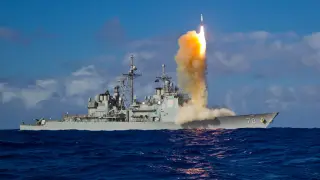
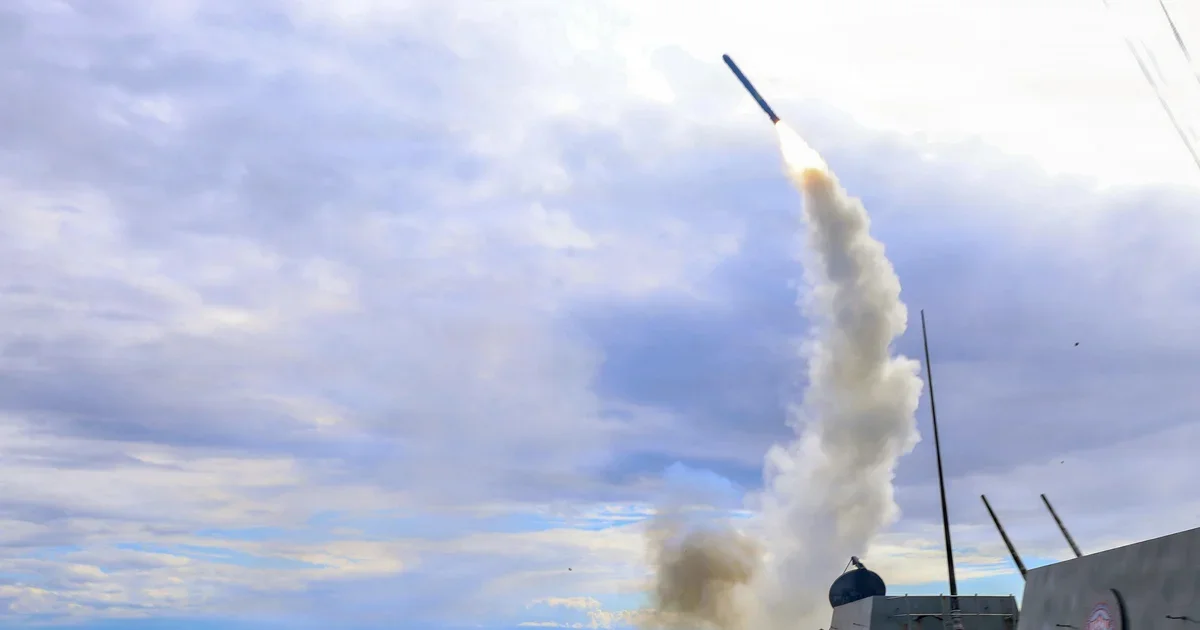
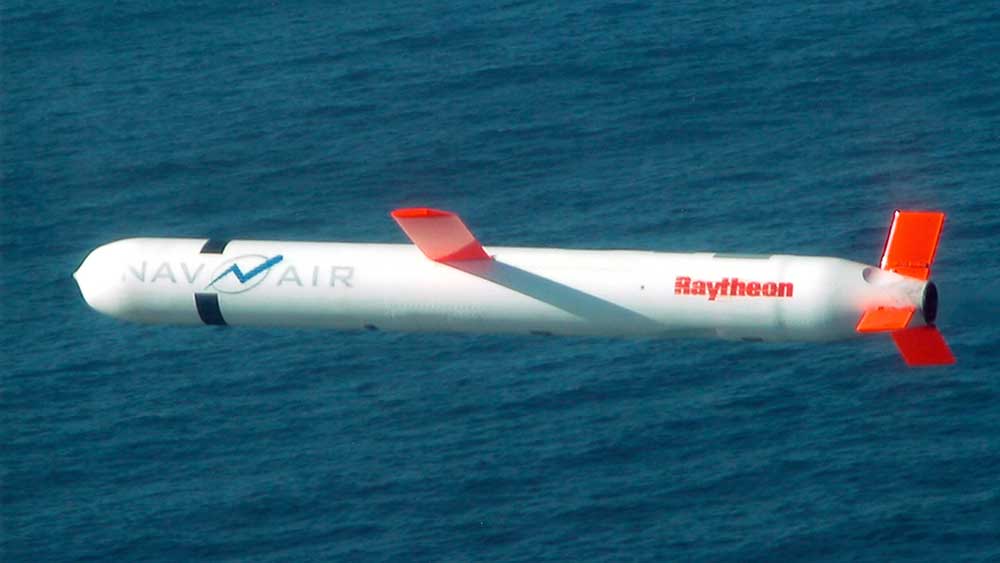
CBS News reports that the U.S. has fired hundreds of Tomahawk cruise missiles in operations tied to Iran, with estimates over 850 used so far—roughly nine times the typical annual procurement—driving depletion of stockpiles even as production capacity exists (up to about 2,330/year). Current procurement remains far below capacity (roughly 90/year), while the Navy asked for 57 missiles for FY2026; the Pentagon estimates around 3,100 Tomahawks in inventory. Raytheon and the Defense Department are pursuing expanded capacity up to 1,000/year over multiple years, but immediate wartime ramp-up is limited by the defense industrial base. There is no public evidence that Iran uses Tomahawks. Each missile costs around $2.2 million, with launcher costs adding to the total.
President Trump warned Raytheon to increase weapons production and stop stock buybacks or risk losing government contracts, amid a push for a $1.5 trillion military budget increase to build a 'dream military' in response to rising geopolitical tensions.
President Trump criticized US defense contractors for slow military production and excessive executive pay, threatening to cut ties with Raytheon and urging increased investment in manufacturing and defense spending, while expressing concerns over shareholder profits taking precedence over military needs.
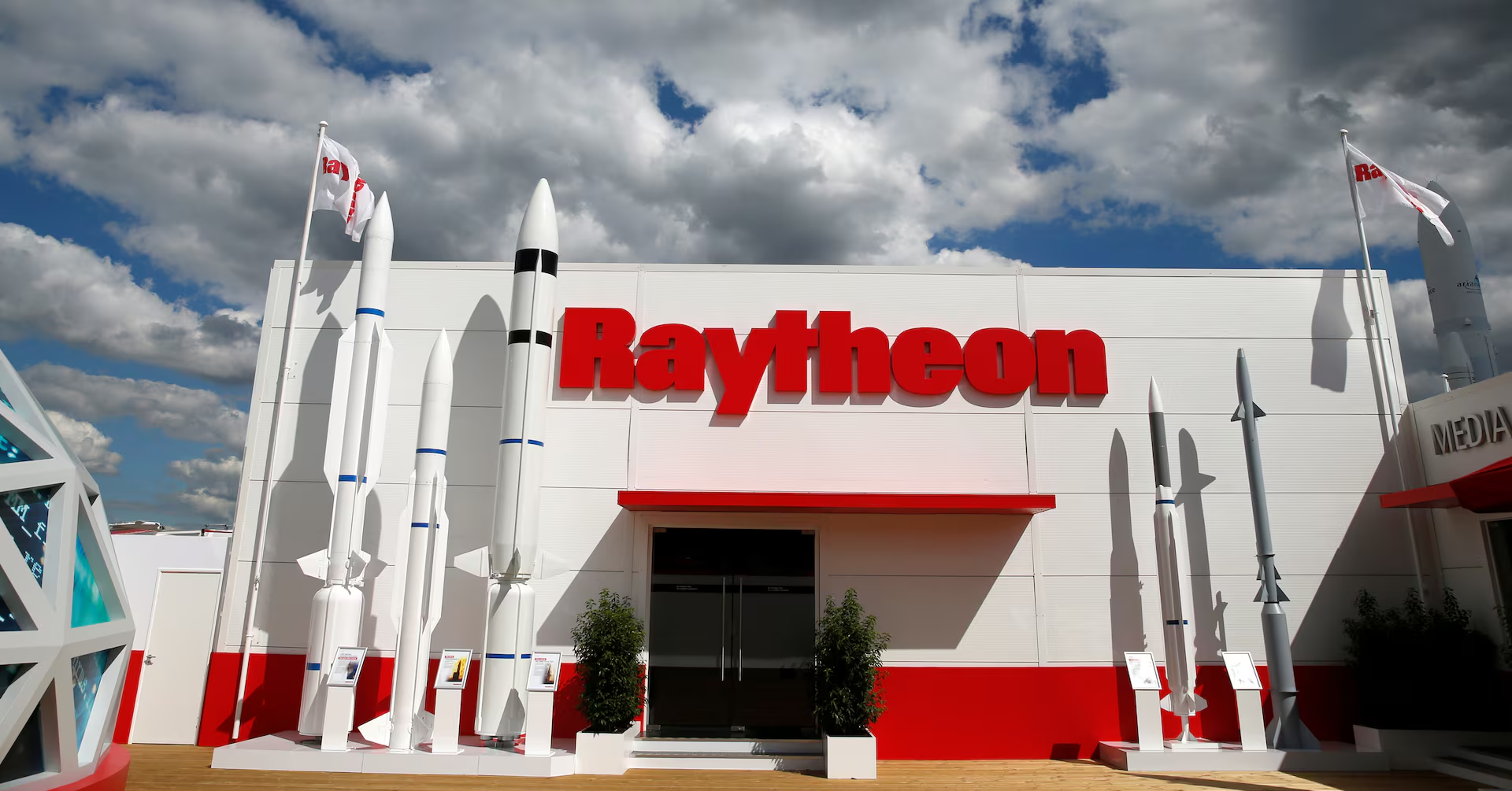
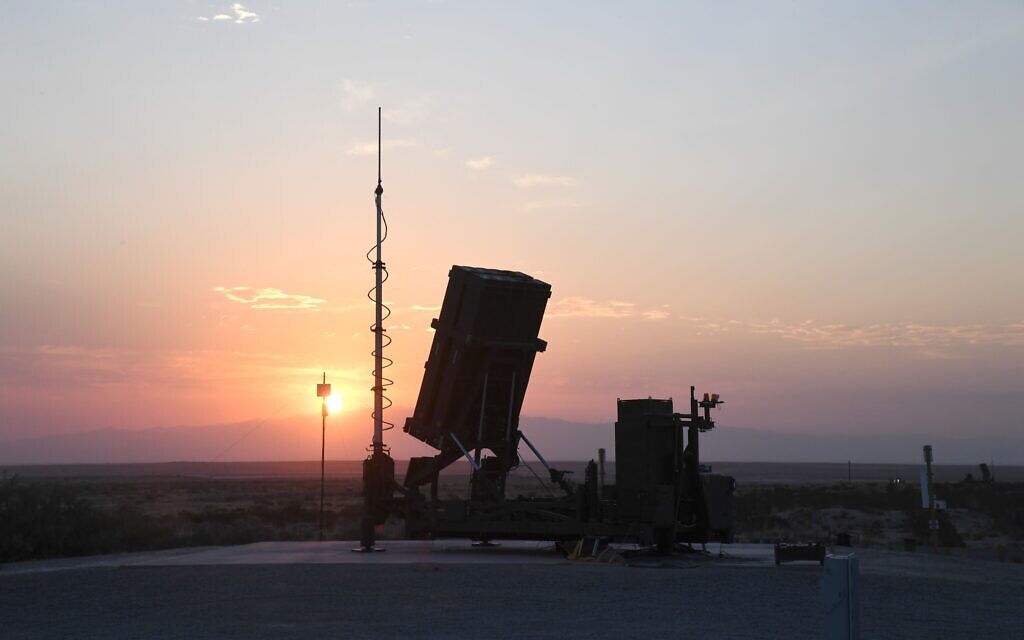
Raytheon Technologies has secured a $1.7 billion contract to supply Spain with four Patriot air and missile defense systems, which are highly effective against aircraft and missiles. The deal highlights ongoing international orders for Patriot systems, with additional sales to Germany, the Netherlands, Romania, and support for Ukraine's defense. The Patriot system is a key component of global missile defense, developed by Raytheon and deployed worldwide.
The US Marine Corps plans to acquire three batteries of Israel's Iron Dome air defense system, along with nearly 2,000 interceptor missiles, in a deal expected to be worth hundreds of millions of dollars. The deal will be signed with Raytheon, a partner of Iron Dome's manufacturer, Rafael. The Marine Corps has successfully tested the system, known as the Medium-Range Intercept Capability (MRIC), and plans to procure three MRIC batteries, 1,840 Tamir interceptor missiles, 44 launchers, and 11 US-made command centers. The Iron Dome, originally designed to intercept rockets, has been upgraded to shoot down mortar shells, drones, and cruise missiles. Israel has previously sold two Iron Dome batteries to the US, and the system is being integrated into the US Army's air defense array.
The summer box office is heating up with the release of "Barbie" and "Oppenheimer," two seemingly contrasting films. However, it turns out that the designer of the iconic Barbie doll, Jack Ryan, had a background in weapons engineering, having worked for Raytheon and contributed to the creation of missile defense systems. Ryan later joined Mattel and patented his concept for the Barbie doll in 1959. Both films are experiencing strong ticket sales, with "Barbie" projected to earn at least $140 million and "Oppenheimer" expected to reach $60 million for the weekend. The combined success of these films, along with others like "Mission Impossible" and "Spider-Man: Across the Spider-Verse," could lead to the highest-grossing weekend of the year at the box office.
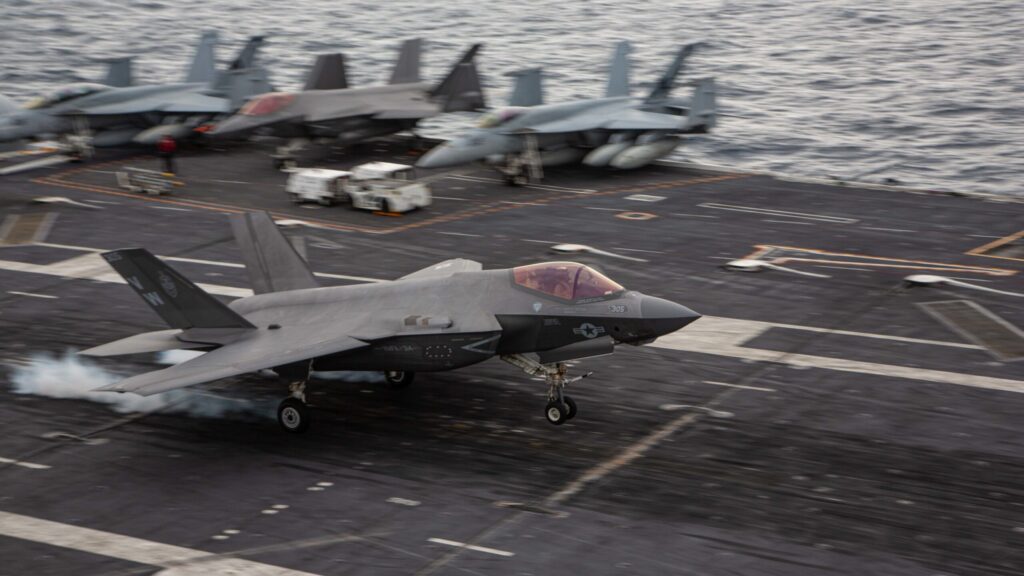
Raytheon Technologies is offering solutions for both engine and Power and Thermal Management System (PTMS) modernization for the F-35 program, potentially supplanting Honeywell International as a supplier of a key subsystem for the Joint Strike Fighter. Collins Aerospace's Enhanced Power and Cooling System (EPACS) has garnered a new focus, which would seemingly have to beat out Honeywell for an opportunity to provide a new thermal management system for the F-35. The JPO is grouping the PTMS and engine modernization efforts together, and a spokesperson for the office told Breaking Defense in a statement that the dual solution will be fielded in 2030.
Raytheon (RTX) reported Q1 earnings that beat analysts' expectations and reaffirmed its full-year outlook. The company's backlog rose to $180 billion for the quarter, and its Collins Aerospace and Pratt & Whitney segments saw significant sales growth. RTX stock is currently trading in the buy zone above a flat base and climbed 1.9% premarket following the earnings report. Jefferies downgraded Raytheon to hold from buy prior to earnings, citing concerns about the Missiles & Defense division and Pratt & Whitney aerospace engine segment.
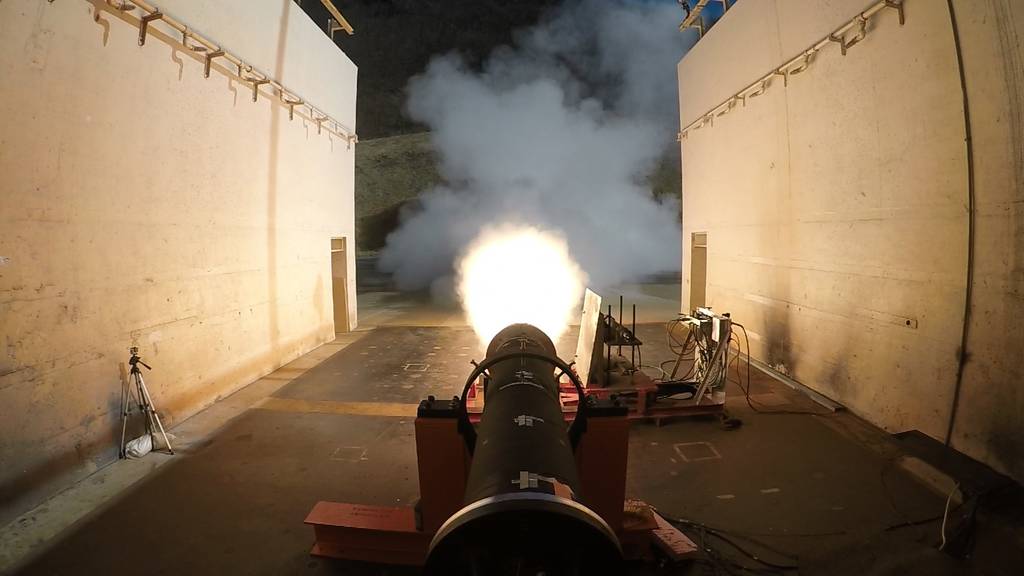
Raytheon has partnered with Northrop Grumman to develop a future increment of the US Army's Precision Strike Missile (PrSM), after exiting the competition in early 2020. The Army awarded Raytheon a $97.7m contract in February to advance its design for the Long Range Maneuverable Fires program, planned to become the PrSM Increment 4 effort. The two companies will design, build and test the propulsion subsystem for DeepStrike-ER, which they describe as an "advanced missile solution that will demonstrate the capability to achieve the Army's desired range and effectiveness against next-generation threats."