
Dollar Hits 18-Month High as Gulf Conflict and Inflation Fears Outweigh Yield Declines
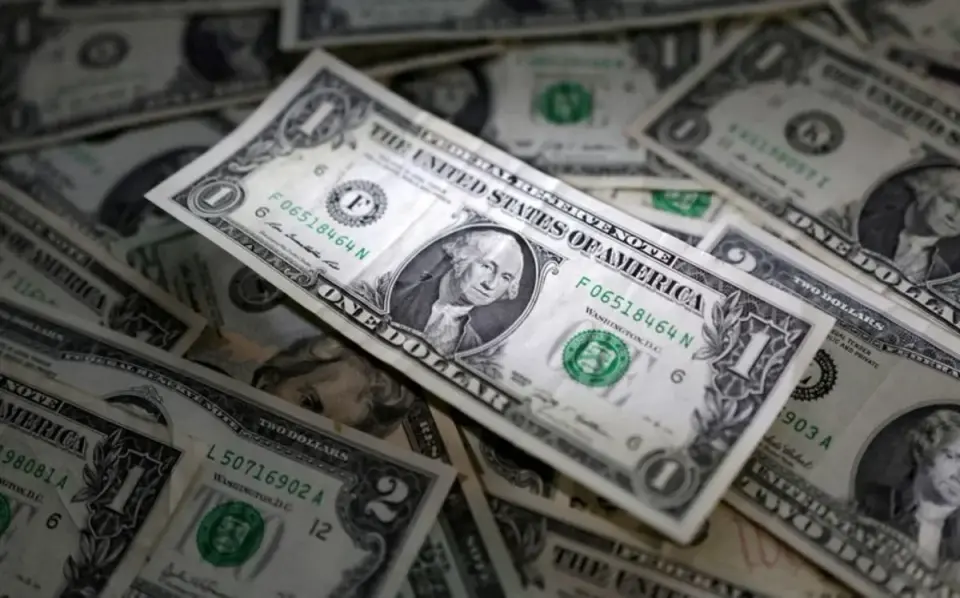
The US dollar has reached an 18-month high, driven by geopolitical tensions in the Gulf and persistent inflation concerns. Despite a drop in Treasury yields and reduced expectations for Federal Reserve rate hikes, the currency remains strong due to safe-haven demand and weakness in the euro. Analysts debate whether this strength is temporary or a sign of structural shifts in global reserve currency status.
Key points
- The US dollar index (DXY) is at an 18-month high, supported by Gulf tensions and US inflation data.
- US Treasury yields have fallen, with two-year yields down 9.6 basis points since late September, yet the dollar has strengthened by 0.75%.
- The correlation between the dollar and front-end Treasury yields has turned negative, breaking a positive trend seen earlier in 2026.
- Euro weakness, driven by concerns over French public finances and high energy prices, has offset the retreat in Fed tightening expectations.
- The Federal Reserve has pushed back against expectations for another rate hike in October, reducing cumulative tightening expectations to around 80 basis points by end-2027.
Background
The dollar's recent strength follows a period of volatility linked to Middle East conflicts and global inflation. In September 2026, oil prices remained elevated due to US-Iran tensions, with Brent near $97 per barrel. The Bank of England held rates at 3.75% in September due to UK inflation rising to 3.1%, while the Reserve Bank of Australia hiked rates to a 15-year high of 4.6% in late September, citing global bond yield surges. These moves reflect a broader global response to energy-driven inflation and geopolitical instability.
How outlets are covering it
Yahoo Finance reports the dollar's strength is driven by Gulf tensions and US inflation, keeping investors cautious. FOREX.com highlights a breakdown in the dollar's correlation with Treasury yields, attributing resilience to euro weakness from French debt concerns and high energy prices. Robin J Brooks argues the dollar's strength is transitory, driven by three factors: euro zone debt crisis, a hawkish Fed forced by oil prices, and safe-haven demand from high geopolitical risk. Brooks believes these drivers will fade as the Gulf conflict ends, leading to a weaker dollar. The outlets disagree on the sustainability of the dollar's strength, with FOREX.com noting technical consolidation and Brooks emphasizing cyclical reversals.
Why it matters
The dollar's strength impacts global trade, borrowing costs, and emerging market currencies. A strong dollar can exacerbate debt crises in Europe and Asia, while a potential reversal could trigger market volatility. Investors and policymakers must monitor inflation data and geopolitical developments to anticipate shifts in currency trends and interest rate expectations.
What to watch
Key US economic data, including CPI, PPI, and retail sales, are scheduled for Wednesday and Thursday, which may influence dollar direction. Traders will watch for technical levels in DXY, EUR/USD, and USD/JPY, with the dollar testing resistance near 102.50. The outcome of the Gulf conflict and Fed communications will determine whether the dollar's strength persists or reverses.
- Dollar hovers near 18-month high as Gulf unrest, US inflation keep investors on edge Yahoo Finance
- Dollar holds 18-month high as Gulf tension, US inflation keep investors on edge Reuters
- US Dollar Price Forecast: DXY Eyes 102.49, Can EUR/USD Hold 1.1180 Ahead of CPI? Yahoo Finance
- US dollar strength masks growing disconnect with Treasury yields FOREX.com
- Why Is the Dollar so Strong? Robin J Brooks | Substack
Want the full story? Read the original reporting
Read on Yahoo Finance