
Beef Import Strategy Fails to Lower Prices, Deepening Rural GOP Backlash
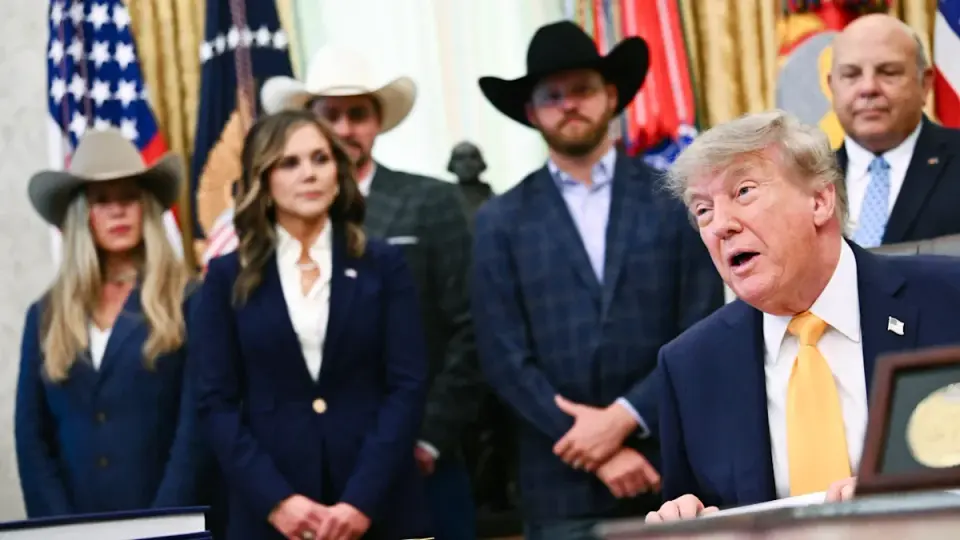
The Trump administration's decision to slash tariffs on 300,000 metric tons of foreign beef has failed to lower U.S. prices, according to Politico. Instead, the move has intensified anger among ranchers and vulnerable Republicans in agricultural states. While the White House aimed to cut costs by 25%, market analysis suggests the influx of imports is depressing cattle values without achieving the promised consumer savings, creating a political rift ahead of the 2026 midterms.
Key points
- The administration allowed 300,000 metric tons (661 million pounds) of foreign beef into the U.S. tariff-free for 90 days, starting in August 2026, to combat rising prices that reached $6.92 per pound in August 2026.
- Politico reports that beef prices have barely budged since the policy implementation, and ranchers remain incensed, with traditional GOP supporters in Iowa, Kansas, Nebraska, and Texas pushing for a rollback.
- Canadian Cattlemen analysis indicates that U.S. fourth-quarter beef supplies are projected to reach 7.775 million pounds, a 700 million pound increase from the third quarter, which is expected to drive prices down due to inelastic demand.
- A bipartisan bill has been introduced to suspend the imports and bolster the U.S. herd, reflecting growing opposition from both sides of the aisle, including Republican Senator John Curtis and Kansas Farm Bureau President Glenn Brunkow.
- The policy has created a political vulnerability for Republicans in rural districts, such as Nebraska's second congressional district, where polls show a swing toward Democrat Denise Powell, while Republican Brinker Harding opposes the import plan.
Background
This development follows a series of earlier reports from August and September 2026, which documented initial backlash from Utah and Montana ranchers against the August executive order. Previous coverage highlighted concerns that the imports would depress live-market prices and jeopardize domestic production, with the White House initially promising to end the action if prices did not fall. The current situation represents the culmination of that policy's failure to achieve its stated goals, leading to a broader political crisis for the administration's rural base.
How outlets are covering it
Outlets disagree on the primary impact of the policy. Yahoo Finance (via Moneywise) emphasizes the consumer angle, noting that while the administration promised a 25% price drop, food safety concerns and a new 'Product of USA' label are driving consumer behavior. Politico focuses on the political failure, stating that prices have 'barely budged' and that the strategy has backfired, angering the very base the administration sought to appease. Canadian Cattlemen provides a technical market analysis, arguing that the surge in supply combined with slowing consumer spending (GDP expected to drop from 4.5% to 1.5% in Q4) will cause a significant downward adjustment in cattle prices, rather than just lowering retail beef costs. Post Register highlights the legislative response, noting a bipartisan push to suspend the imports, indicating that the opposition is no longer limited to just ranchers but includes lawmakers from both parties.
Why it matters
The failure of the beef import strategy signals a deeper crisis for the Trump administration's relationship with rural voters, a key demographic in the 2026 midterms. The inability to lower prices while simultaneously depressing cattle values has alienated traditional GOP supporters and created a bipartisan coalition against the policy. This could lead to significant legislative changes in agricultural trade and potentially influence the outcome of competitive House races in agricultural states like Nebraska, Kansas, and Iowa.
What to watch
The administration is expected to face continued pressure from Republican lawmakers to reverse or modify the import policy. The 90-day tariff-free window is set to expire, and the White House must decide whether to extend it or let it lapse. Additionally, the bipartisan bill to suspend imports and bolster the U.S. herd may gain momentum in Congress, potentially leading to new legislation that restricts foreign beef imports and provides relief to domestic producers. The political fallout will likely continue to shape the administration's approach to agricultural policy and its relationship with rural voters in the lead-up to the midterms.
- Trump slashes tariffs to flood U.S. with 661 million pounds of foreign beef — Nebraska ranchers push back Yahoo Finance
- Trump’s beef gamble isn’t paying off Politico
- Feeder cattle market headed for a downward adjustment Canadian Cattlemen
- Bipartisan bill calls to suspend Trump’s beef imports, bolster US herd postregister.com
- Expanded beef imports fail to lower retail prices, pressure cattle producers Brownfield Ag News
Want the full story? Read the original reporting
Read on Yahoo Finance