
Freight Costs Soar to $1.4M Daily as Tanker Shortage Deepens Oil Crisis
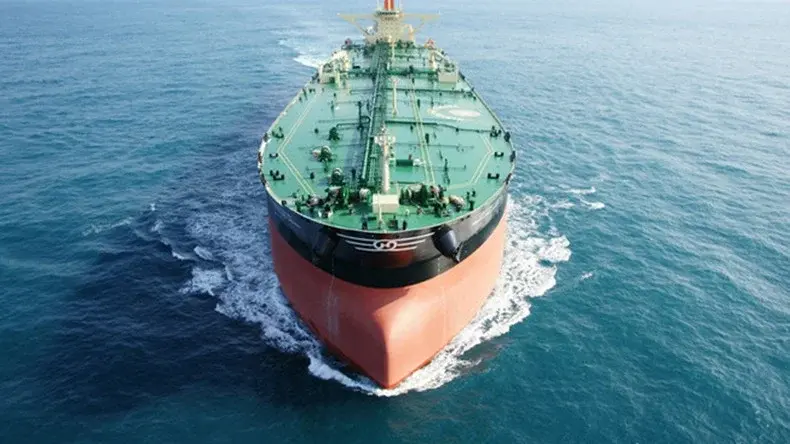
Supertanker rates have reached a record $1.4 million per day on Persian Gulf to East Asia routes, surging 40% in early October. This spike is driven by ship-to-ship transfers near the Strait of Hormuz, which tie up vessels for weeks and create a global shortage of tankers. The resulting scarcity has pushed U.S. to China freight costs to $76 million per cargo, roughly ten times pre-war levels, adding tens of dollars per barrel to oil prices.
Key points
- Freight rates for very large crude carriers (VLCCs) hit a record $1.4 million per day on Gulf to East Asia routes, up 40% in the first week of October.
- Ship-to-ship transfers in the Gulf of Oman are tying up tankers for weeks, limiting vessel availability for other global trade routes.
- A U.S. Gulf to China cargo now costs $76 million, approximately ten times the $7-10 million pre-war rate, adding about $38 per barrel to delivered oil costs.
- The VLCC shortage has driven up rates for smaller Aframax and Suezmax vessels as producers and buyers shift to smaller ships.
- Vitol CEO Russell Hardy described the situation as a 'shipping crisis' following the initial crude and product crises, noting insufficient global shipping capacity.
Background
This escalation follows a series of record highs in tanker rates since September 2026. In late September, VLCC rates exceeded $1 million per day, and older supertankers surpassed new builds in value due to high demand. The current surge is part of a broader 'cascade' effect where Middle East producers route oil through the Strait of Hormuz, creating bottlenecks that force charterers to split cargoes and drive up rates across all tanker classes.
Why it matters
The surge in freight costs is adding tens of dollars per barrel to delivered crude prices, raising concerns about demand destruction and the sustainability of current oil market pricing. The shortage of vessels is also tightening diesel and gasoline markets, contributing to global fuel price inflation.
What to watch
Analysts expect freight rates to remain elevated as the global tanker shortage persists. The shift to smaller vessels and longer voyages may continue to strain oil trading economics, potentially leading to further price increases for refined products.
Want the full story? Read the original reporting
Read on Crude Oil Prices Today | OilPrice.com