
Mortgage Rates Hit Three-Year High, Chilling Housing Market
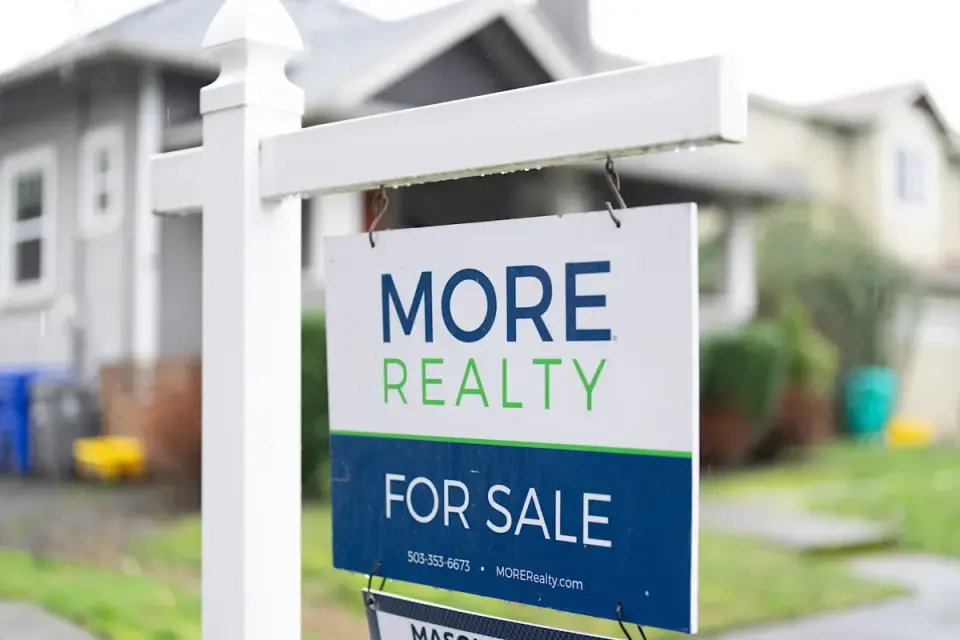
U.S. mortgage rates have surged to a three-year high, reaching approximately 7.5%, driven by rising bond yields, geopolitical tensions, and strong economic growth. This spike is suppressing home sales and refinancing activity, with experts warning that rates could climb to 8% if inflation remains elevated.
Key points
- The average 30-year fixed-rate mortgage rose to 7.49% last week, up from 7.30%, marking the highest level since November 2023.
- Mortgage rates have increased by a full percentage point in just over a month, driven by surging 10-year Treasury yields.
- Refinance applications dropped 8% week-over-week and are 56% lower than a year ago, as few homeowners see financial incentive to refinance at current rates.
- Home purchase applications declined 2% week-over-week and are 15% lower than the same period last year, with FHA loans seeing the steepest drop at 6%.
- The Federal Reserve is expected to raise interest rates by at least 25 basis points by year-end, with an 86% probability according to CME FedWatch, as inflation remains at 3.4%.
Background
Mortgage rates have remained elevated for years, with refinancing relief largely out of reach for homeowners locked into higher rates. Previous forecasts suggested rates might ease slightly by 2027, but recent geopolitical and economic developments have reversed this trend, pushing rates back above 7%.
How outlets are covering it
Yahoo Finance attributes the rate surge to a combination of factors, including oil prices following the U.S. attack on Iran, strong economic growth, and the AI investment boom crowding out Treasury demand. The New York Times emphasizes the direct impact on housing affordability, noting that rates are now the highest in three years, which is chilling the market. CNBC highlights the sharp decline in refinance and purchase applications, noting that adjustable-rate mortgages (ARMs) are gaining popularity as borrowers seek lower initial payments, with the ARM share of applications steady at 10.3%.
Why it matters
Rising mortgage rates are making homeownership less affordable, suppressing both new purchases and refinancing. This could lead to a broader slowdown in the housing market, affecting construction, real estate values, and consumer spending. Additionally, higher rates increase the cost of borrowing for the government, potentially exacerbating fiscal challenges.
What to watch
Mortgage rates could rise further to 8% if inflation remains elevated and the Federal Reserve continues to hike interest rates. Conversely, a decline in oil prices or a shift in economic expectations could lead to a slight easing in rates, but this is unlikely in the short term.
- Is 8% next? Why mortgage rates have surged, and may stay higher for longer Yahoo Finance
- How to Give Your Kids Money for a House Without Things Getting Weird WSJ
- Highest Mortgage Rates in 3 Years Chills the Housing Market The New York Times
- Refinance demand is now half what it was a year ago, as mortgage rates rise again CNBC
- Today’s Mortgage Rates, October 11: 5/1 ARM Falls 12 Basis Points as Fixed Rates Rise Norada Real Estate Investments
Want the full story? Read the original reporting
Read on Yahoo Finance