
Brent Crude Tops $107 After Trump Rejects Iran’s Hormuz Peace Plan
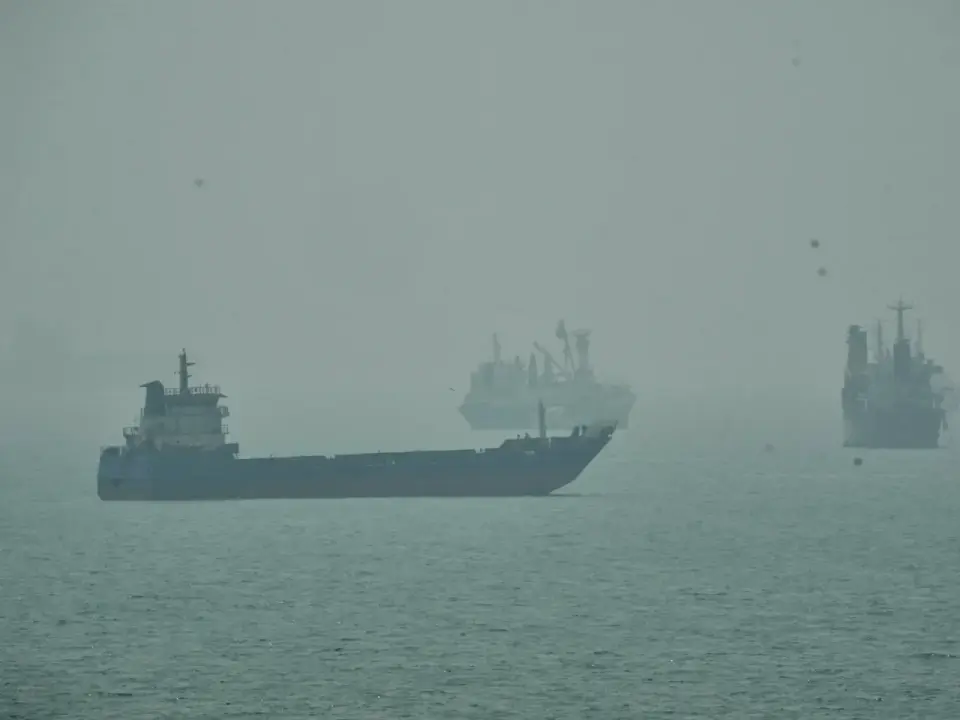
Oil prices surged Monday after President Trump rejected Iran’s proposal to reopen the Strait of Hormuz within seven days in exchange for lifting sanctions and releasing frozen funds. Brent crude rose over 3% to near $108, while WTI climbed to $94.14. Trump indicated US strikes may resume after November’s midterms, causing Asian markets to fall.
Key points
- Brent crude futures rose more than 3% to $107.35, nearing $108 during Asian trading, following Trump’s rejection of Tehran’s peace offer.
- Iran’s Foreign Minister Abbas Araghchi proposed reopening the Strait of Hormuz and restarting nuclear talks within seven days if the US lifted its naval blockade and released Iranian assets.
- Trump told aides he expects US strikes on Iran to resume after the November midterm elections, according to The Wall Street Journal.
- Shipping through the Strait of Hormuz has declined drastically since the war began in late February, with only 132 transits recorded in the past week compared to roughly 130 daily crossings before the conflict.
- Asian stock markets reacted negatively, with Japan’s Nikkei 225 falling 0.73% and South Korea’s Kospi dropping 2.70%, while Wall Street ended the previous week with a 0.5% gain.
Background
The US and Israel launched strikes on Iran in late February 2026, triggering a naval blockade of the Strait of Hormuz, which previously carried about one-fifth of global oil supplies. In August, Trump suggested the strait could become US territory, a claim Iran rejected. Recent indirect talks at the UN General Assembly failed to yield a breakthrough, with Iran’s President Masoud Pezeshkian stating the country no longer trusts Washington.
How outlets are covering it
Al Jazeera emphasizes the immediate market impact, noting Brent’s rise to $107.35 and the drastic drop in shipping traffic. CNBC highlights Trump’s internal timeline, reporting that he expects strikes to resume after the November midterms, and details the specific conditions Iran demanded, including the release of frozen funds. Barchart was inaccessible due to a server error, offering no additional perspective. While Al Jazeera focuses on the current blockade’s effect on trade, CNBC underscores the political calculation behind Trump’s rejection, linking it to the upcoming elections.
Why it matters
The rejection of the peace proposal prolongs the US-Iran conflict, keeping the Strait of Hormuz closed and sustaining high oil prices. This volatility impacts global energy costs and stock markets, particularly in Asia, while raising concerns about renewed military strikes after the US midterms.
What to watch
Markets will monitor whether Trump’s stated timeline for resuming strikes after November’s midterms holds. Iran may escalate tensions if it perceives the US as miscalculating its leverage, potentially leading to further attacks on Gulf vessels or renewed strikes before the elections.
- Oil prices surge after Trump rejects Iran’s plan to reopen Strait of Hormuz Al Jazeera
- Oil prices rise as Trump rejects Iranian proposal to reopen Strait of Hormuz CNBC
- Oil Rises as Iran Says It Won’t Soften Strait of Hormuz Demands Bloomberg.com
- Oil Prices Climb on Continued Impasse in U.S.-Iran Talks nytimes.com
- Crude Prices Fall Sharply in Hopes of a Deal to Reopen Hormuz Barchart.com
Want the full story? Read the original reporting
Read on Al Jazeera