
China Q3 GDP hits 4.5% on AI export surge, masking deep domestic slump
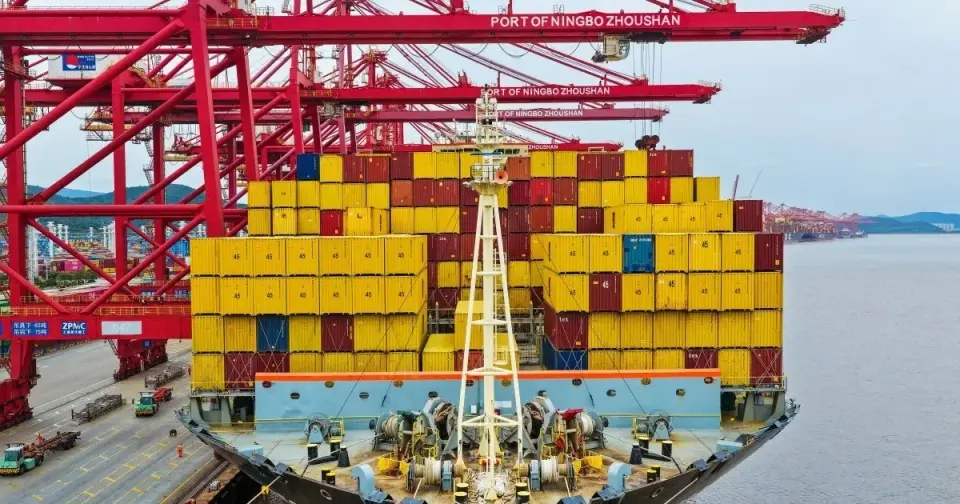
China’s economy grew 4.5% in the third quarter, beating forecasts and meeting the lower end of Beijing’s annual target. This rebound from Q2’s 4.3% was driven by a massive surge in AI-related exports, particularly semiconductors and electronics, which hit a record trade surplus. However, this external strength masks a severe domestic slowdown, with fixed-asset investment contracting 7.2% and property investment plunging 20.2%. While retail sales showed a slight rebound in September, overall consumption remains weak, creating a 'two-speed economy' where high-tech manufacturing thrives while domestic demand and real estate continue to drag on growth.
Key points
- GDP grew 4.5% in Q3, up from 4.3% in Q2, meeting the lower bound of the 4.5-5% annual target.
- Exports surged 16% in the first nine months, driven by AI and semiconductor demand, contributing to a record $938.1 billion trade surplus.
- Fixed-asset investment fell 7.2% year-on-year in the first nine months, with property investment dropping 20.2%.
- Retail sales rose 1.1% in September, the fastest growth since March, but remain low compared to export momentum.
- The IMF downgraded China’s 2026 growth forecast to 4.5% and 2027 to 4.0%, citing persistent domestic weakness.
Background
This growth follows a period of significant economic restructuring, including the rise of the 'loneliness economy' and corporate adjustments like Nike’s China sales decline. The current figures highlight a continued divergence between global tech demand and domestic consumer confidence, a trend observed in earlier 2026 data where wealth gaps and housing costs suppressed household spending.
How outlets are covering it
Al Jazeera emphasizes the success of the AI-driven export boom in meeting official targets, noting that Beijing views the managed slowdown in real estate as a positive adjustment. CNN, however, frames the data as evidence of a 'two-speed economy,' highlighting the structural imbalance between thriving high-tech exports and stagnant domestic consumption. CNN also points to the IMF’s downgrade of growth forecasts, suggesting that export strength is insufficient to offset the deepening drag from the property sector and weak investment. Both outlets agree that domestic demand remains the primary challenge, but CNN places greater weight on the risks posed by the trade surplus and potential future trade tensions, while Al Jazeera focuses on the resilience of the manufacturing sector.
Why it matters
The divergence between export strength and domestic weakness signals a structural shift in China’s growth model. If domestic consumption does not recover, the economy remains vulnerable to external trade shocks, such as the ongoing US-China tariff truce and EU trade negotiations. The continued decline in property investment, which ties up 70% of household wealth, poses a long-term risk to financial stability and consumer confidence, potentially undermining the sustainability of the current growth trajectory.
What to watch
Beijing is expected to implement further stimulus measures, including mortgage subsidies and targeted rate cuts, if Q4 momentum fails to sustain. The IMF’s lower forecasts suggest that without a significant boost in domestic demand, growth may slow further in 2027. Trade tensions with the EU and US may also intensify if export surges continue to draw international ire, potentially impacting the auto and hybrid vehicle sectors.
- China’s economy grows 4.5 percent in Q3, beating forecasts Al Jazeera
- China’s Export Boom Masks Deep Economic Problems at Home WSJ
- China’s Export Boom Fuels Growth Despite Slump at Home The New York Times
- China economy grows thanks to AI export boom but domestic slump remains a drag CNN
- World in Brief: France’s protest “shame”; China’s healthy GDP growth The Economist
Want the full story? Read the original reporting
Read on Al Jazeera