
Firms Channel Tariff Refunds Into Bonuses, Not Consumer Rebates
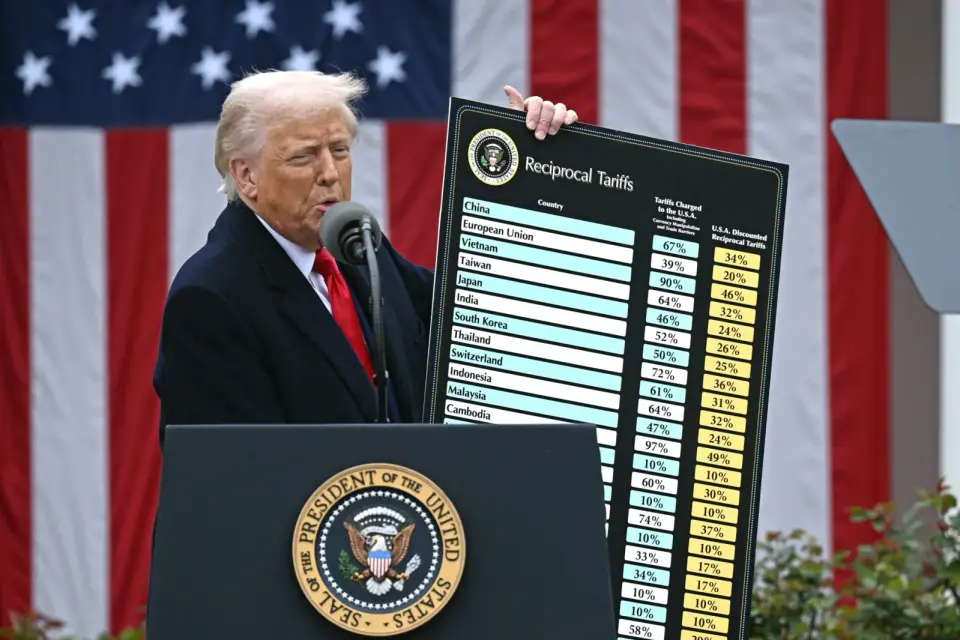
After the Supreme Court struck down President Trump’s 2025 tariffs, the U.S. government began issuing approximately $170 billion in refunds to importers. ProPublica’s analysis of securities filings reveals that at least nine major corporations, including Stanley Black & Decker and TJX, are using these windfalls to fund executive bonuses rather than reimbursing consumers who absorbed the costs through higher prices. While some firms like Burlington Stores plan to pass savings to shoppers, others have not disclosed any consumer refunds. The administration has not mandated how companies must use the money, and Treasury Secretary Scott Bessent has argued that consumers are not entitled to the funds, which legally belong to the importers of record.
Key points
- Stanley Black & Decker is receiving at least $298 million in refunds, which it has linked to increased variable incentive compensation, despite previously raising prices due to tariffs.
- TJX, the parent company of TJ Maxx and Marshalls, received $331 million in refunds and accrued $112 million in expenses for global bonuses, stating the remainder will support future growth.
- Acushnet, owner of the Titleist golf brand, disclosed approximately $12 million in incentive compensation expenses tied to its refund.
- The New York Federal Reserve Bank estimates that 26% of tariff costs were borne by American consumers, while a Harvard Business School study puts the figure at 43%.
- Only 'importers of record' are eligible for refunds, meaning downstream consumers and businesses generally cannot claim the money directly.
- Democratic senators Elizabeth Warren, Cory Booker, and Peter Welch have urged the president to require companies to pass refunds to consumers, calling the current situation a 'theft from the middle class.'
Background
This development follows the Supreme Court’s earlier ruling in 2026 that Trump’s 2025 tariffs required congressional approval, leading to their invalidation. The refunds stem from duties collected on over 53 million imported shipments. Previous coverage noted that companies like Levi Strauss had already benefited from tariff refunds, boosting operating margins despite weak sales. The current political landscape, marked by a Democratic sweep in the 2026 midterms, has increased scrutiny on corporate practices and executive compensation, with business leaders warning of instability from both parties.
Why it matters
The distribution of $170 billion in tariff refunds highlights a significant gap between corporate financial recovery and consumer relief. By channeling refunds into executive bonuses, companies may be exacerbating wealth inequality and failing to address the cost-of-living pressures that consumers faced during the tariff period. This practice raises questions about corporate responsibility and the effectiveness of government policy in protecting middle-class households. As legal challenges and political pressure mount, the outcome could set precedents for how future government refunds or windfalls are allocated, potentially influencing corporate behavior and public trust in economic institutions.
What to watch
The Trump administration has not imposed constraints on how companies use the refunds, but pressure from Democratic senators and ongoing lawsuits may force changes. Companies like TJX and Stanley Black & Decker have declined to provide detailed breakdowns of bonus allocations, leaving uncertainty about the extent of executive enrichment. As the fiscal year ends, more disclosures may emerge, and legal outcomes in pending cases could determine whether consumers receive any portion of the refunds. The administration’s stance, as articulated by Treasury Secretary Bessent, suggests no immediate policy shift, but political dynamics may evolve with the new congressional majority.
Want the full story? Read the original reporting
Read on ProPublica