
Healey poised to hike bank surcharge to 8% in October Budget
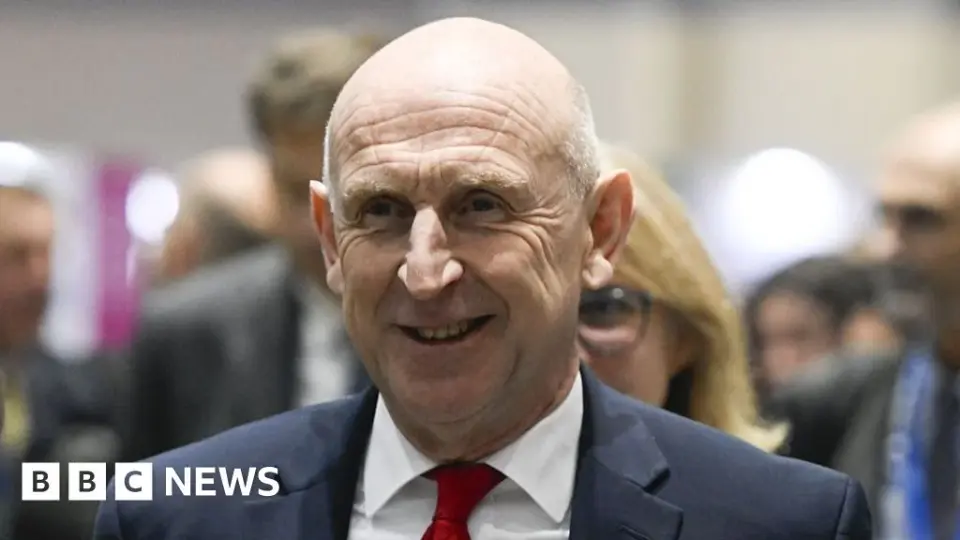
Chancellor John Healey is expected to increase the bank surcharge from 3% to 8% in his October 28 Budget, potentially raising £2.25bn annually. This move aims to offset fiscal pressures from the Middle East conflict and rising borrowing costs, despite industry warnings about competitiveness.
Key points
- Healey plans to reverse the bank surcharge cut implemented by Rishi Sunak, raising it from 3% to 8%.
- The move could generate approximately £2.25bn in additional revenue for the Treasury.
- Banks have generated £200bn in pre-tax profits over the past five years due to high interest rates.
- Industry groups warn that higher taxes could damage UK competitiveness and deter investment.
- Alternative measures, such as limiting the use of past losses to offset profits, are also under consideration.
Background
The UK faces a significant fiscal gap, with the Institute for Fiscal Services warning of a £35bn shortfall due to inflation from the Middle East conflict. Previous budgets under Rachel Reeves and Rishi Sunak had spared banks from major tax hikes, but rising government borrowing costs have forced Healey to seek new revenue sources. The government is also exploring membership in the Canada-led Defence Bank to address military spending pressures.
How outlets are covering it
The Guardian and BBC report that Healey is likely to raise the bank surcharge to 8%, a move supported by the Trades Union Congress, which argues banks are making record profits. The Financial Times highlights investor concerns, with figures from Royal London Asset Management and Jupiter warning that higher taxes could damage UK competitiveness and increase the cost of capital. Conservative leader Kemi Badenoch and shadow chancellor Andrew Griffith oppose the move, arguing it will stifle growth. Industry groups, including UK Finance and TheCityUK, have lobbied against the tax hike, warning it could force banks to move staff and business abroad. JP Morgan’s Jamie Dimon has also warned that higher taxes could discourage investment, potentially impacting plans for a new London headquarters.
Why it matters
The decision to tax banks more heavily could impact the UK’s financial sector competitiveness and influence future investment decisions. It also reflects the government’s need to balance fiscal discipline with economic growth, particularly in the face of rising borrowing costs and inflation. The move may also affect consumer lending rates and the broader economy.
What to watch
Healey is expected to announce the bank tax changes in his October 28 Budget. The government may also consider alternative measures, such as limiting the use of past losses to offset profits, to raise additional revenue. Industry groups and investors will closely monitor the outcome, as it could influence future investment decisions and the UK’s global competitiveness.
- Banks say Healey is planning Budget tax raid on their profits BBC
- John Healey poised to raise taxes on banks in budget The Guardian
- UK's Healey says banks are key to economy but keeps tax options open Reuters
- Kemi Badenoch sounds ‘alarm’ on potential Budget tax raid on banks Financial Times
- Healey poised to launch raid on banks The Telegraph
Want the full story? Read the original reporting
Read on BBC