
NYC Storefront Vacancy Hits 11.32% as Small Business Closures Outpace Openings for 12th Quarter
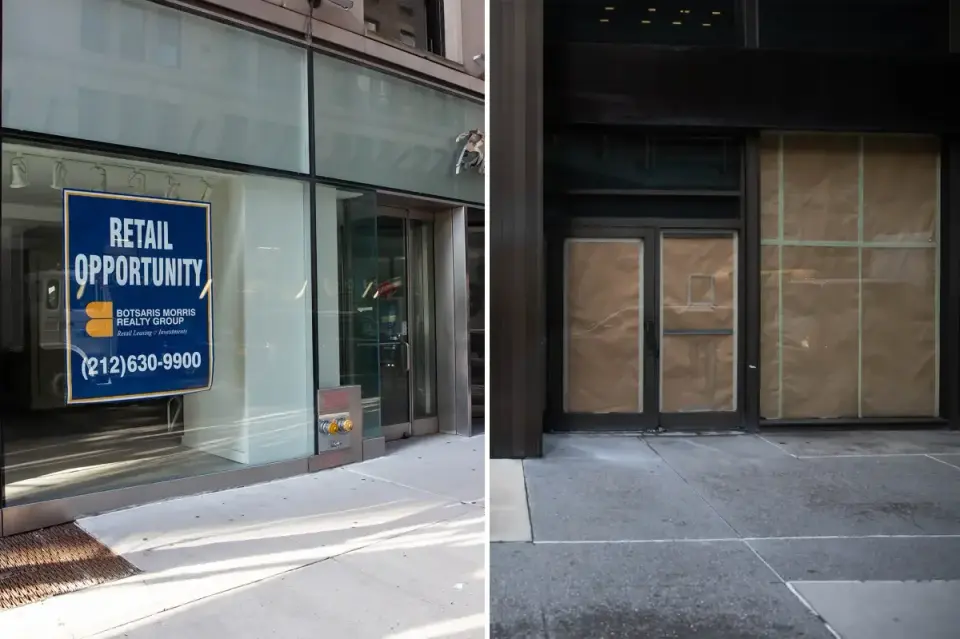
New data from the NYC Comptroller’s office reveals that over 16,000 storefronts across the five boroughs are currently vacant, with the citywide vacancy rate rising to 11.32% in the third quarter of 2026. This marks the 12th consecutive quarter where business closures have exceeded openings, driven largely by small independent operators struggling with rising costs. While Manhattan’s vacancy rate has improved slightly from its post-pandemic peak, Brooklyn and Queens have seen their vacancy rates climb to their highest levels since 2023. The data highlights a fragmented recovery, with specific neighborhoods like the Financial District and Tribeca facing vacancy rates near 20%, while others remain more resilient. Stakeholders are divided on the causes, with some blaming regulatory burdens and others pointing to high operating costs and labor expenses.
Key points
- The citywide storefront vacancy rate reached 11.32% in Q3 2026, up from 11.26% in Q2 2026, with 16,047 empty spaces out of 141,744 total storefronts.
- Small businesses accounted for the majority of net losses, with 2,201 closures and 1,996 openings in Q3 2026, resulting in a net loss of 205 small businesses.
- Manhattan has the highest vacancy rate at 13.12%, but it is the only borough where the rate decreased in the latest quarter; Brooklyn (12.68%) and Queens (9.80%) saw their highest rates since 2023.
- Vape and cigar shops have the highest vacancy rate at approximately 26%, followed by furniture and home goods retailers at nearly 16%.
- The Mamdani administration has announced over 50 reforms to help small businesses, but critics argue regulatory hurdles and high costs remain significant barriers.
Background
This data follows a June 2026 report from the Comptroller’s office that found over 60% of vacant small-business storefronts in certain neighborhoods had been empty for at least two years. The current figures come amid a broader economic landscape where the city has seen a 6.4% increase in taxable sales in fiscal 2026, yet small businesses continue to face rising costs for utilities, insurance, and labor. The Mamdani administration, which took office in January 2026, has focused on affordability and small business support, but faces criticism from some business groups over regulatory burdens.
How outlets are covering it
The New York Post and amNewYork both highlight the severity of the vacancy crisis, with the Post emphasizing the 'shocking' levels and amNewYork noting the data comes just before the holiday shopping season. The Post quotes Andrew Rigie of the NYC Hospitality Alliance calling the data a 'wake-up call,' while amNewYork includes comments from Jessica Walker of the Manhattan Chamber of Commerce, who grades the small business operating environment a C-minus. The Post and Yahoo (which reprinted the Post) focus on the net loss of small businesses and the 12th consecutive quarter of closings outpacing openings. amNewYork provides additional context on the holiday season, noting that Manhattan retail sales are projected to remain flat or decline after accounting for inflation. The Post and amNewYork both note the divide in blame, with the Post citing Ashley Ranslow of the National Federation of Independent Business blaming the City Council’s regulatory agenda, while amNewYork highlights the Chamber of Commerce’s call for a pause on new fees and regulations. The NYC.gov source provides the raw data and methodology, confirming the figures and noting that the small business vacancy rate may be an underestimate due to unlabeled vacancies.
Why it matters
The rising vacancy rate signals ongoing stress for small businesses and local economies, potentially affecting job creation and neighborhood vitality. The data provides a detailed, neighborhood-level view of where the recovery is uneven, which can inform policy decisions and business investments. The long-term vacancy of certain spaces, particularly those previously occupied by large chains or institutions, suggests structural challenges in the commercial real estate market that may not be easily resolved by short-term policy changes.
What to watch
The Comptroller’s office plans to update the Storefront Vacancy Dashboard every quarter, tracking openings, closings, and vacancies down to the neighborhood level. The Manhattan Chamber of Commerce is urging the city to hold off on new fees, enforcement sweeps, and regulations affecting small businesses until January. The Mamdani administration is expected to continue implementing its 50+ reforms aimed at helping small businesses, though no specific timeline has been set for achieving all goals. The holiday shopping season is expected to be a key indicator of whether small businesses can sustain operations despite high costs.
- Big Apple retail blues: More than 16,000 NYC storefronts sit empty as businesses struggle New York Post
- Dashboard NYC.gov
- More than 16,000 NYC storefronts sit empty as businesses struggle Yahoo
- Empty feeling: More than 16,000 NYC storefronts now sit vacant, new comptroller dashboard shows | amNewYork amNewYork
- Levine launches new dashboard to track storefront vacancies Brooklyn Eagle
Want the full story? Read the original reporting
Read on New York Post