
Seattle's 2027 Minimum Wage Set to Hit $22.14 as Business Closures Accelerate
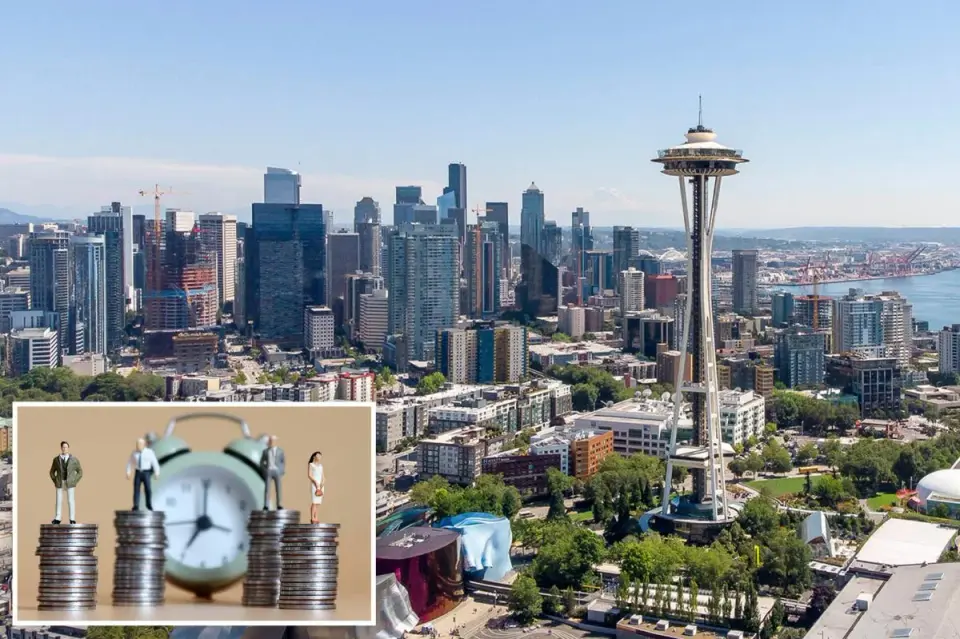
Seattle is preparing to implement a $22.14 hourly minimum wage in 2027, potentially making it the highest in the nation. This increase coincides with a significant drop in job openings and a wave of business closures, particularly in the restaurant sector, where 450 establishments shut down in early 2025. While proponents argue the hike is necessary for cost-of-living adjustments and staff retention, critics point to rising labor costs and a shift in business formation to lower-wage suburbs as evidence of economic strain.
Key points
- Seattle’s minimum wage will rise to $22.14 per hour in 2027, an increase tied to local inflation that may make it the highest in the U.S.
- The city has experienced a sharp decline in job openings, with postings in the metro area falling by 35% between February 2020 and October 2025.
- Approximately 450 Seattle restaurants, or 16% of the total, closed during the first half of 2025 following the implementation of inflation-indexed wage hikes for all businesses.
- Downtown office vacancy rates in Seattle reached 35.6% in the fourth quarter of 2025, up from 32.3% the previous year, indicating broader economic stress.
- A University of Wisconsin study found that the announcement of the wage increase reduced new business formation in Seattle while increasing it in adjacent suburbs with lower wage floors.
Background
This development follows earlier reports in September 2026 that Seattle had already set its 2026 minimum wage at $22.14, an 84-cent increase linked to inflation. The current situation extends this trend, with the 2027 rate expected to solidify Seattle's position as the top-paying jurisdiction in the country. The broader context includes a significant exodus of businesses and a decline in hiring, which some attribute to the cumulative effect of these wage mandates and other local economic factors, while others note that business challenges began prior to the widespread implementation of these laws.
Why it matters
Seattle's minimum wage trajectory serves as a critical case study for the economic impact of high-wage policies in major U.S. cities. The correlation between rising wage floors and business closures, particularly in the hospitality sector, highlights the tension between worker compensation and business viability. As other jurisdictions may consider similar hikes, Seattle's experience offers data on potential consequences, including shifts in business formation to suburbs and increased costs for employers, which could influence future labor policy debates nationwide.
What to watch
Seattle will implement the $22.14 minimum wage in 2027, assuming no other jurisdictions surpass this rate. The city will likely continue to monitor the economic impact, including business closures, job openings, and downtown vacancy rates. Proponents and opponents may use the 2027 data to further debate the efficacy of inflation-indexed wage hikes, while adjacent suburbs may see continued growth in new business formations as a result of lower wage floors.
Want the full story? Read the original reporting
Read on New York Post