
Secondhand retail surges as shoppers prioritize value and uniqueness for 2026 holidays
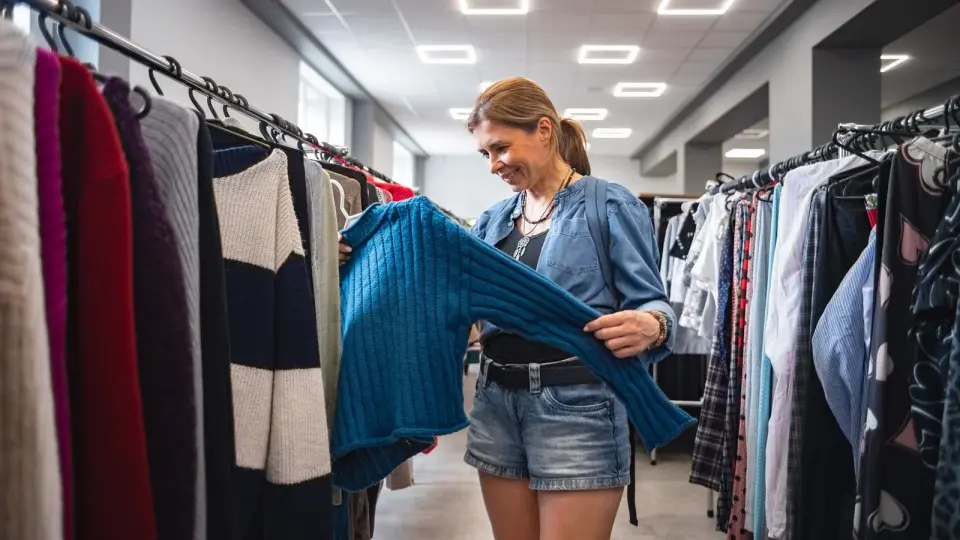
The U.S. secondhand apparel market expanded 13% in 2025, outpacing overall retail growth by nearly four times. Driven by high inflation and a desire for unique items, consumers are increasingly buying pre-owned goods for both personal use and holiday gifts. The sector is projected to reach $80 billion by 2030, with Gen Z and millennials leading the shift toward thrifting as a primary shopping strategy.
Key points
- U.S. secondhand apparel sales grew 13% in 2025, significantly faster than the general clothing market.
- The segment is forecast to hit $80 billion by 2030, with 40% of growth attributed to Gen Z.
- Consumers are using secondhand stores for holiday gifts to find unique items that match recipient personalities.
- Major brands like Lululemon and Patagonia are entering the pre-owned space to capture this demand.
- 70% of global consumers view secondhand shopping as essential for budget management, according to eBay.
Background
This trend aligns with broader 2026 economic pressures where high-income shoppers are also seeking value, as seen in Walmart's recent forecast adjustments. While previous holiday guides emphasized tech and luxury, the current shift highlights a move toward sustainable and personalized purchasing over mass-produced goods.
Why it matters
The rise of secondhand retail signals a fundamental shift in consumer values, prioritizing individuality and economic resilience over brand-new status. This growth is reshaping retail strategies, forcing major brands to adopt resale models and influencing stock performance for companies like eBay and Savers Value Village.
What to watch
Analysts expect secondhand shopping to remain a central part of consumer routines, with 89% of respondents planning to spend the same or more on pre-owned items next year. The expansion is likely to continue beyond apparel into furniture, electronics, and books as value-seeking behavior persists.
Want the full story? Read the original reporting
Read on CNBC