
Spec developers replace demolished L.A. mansions with ultra-luxury estates despite wealth tax defeat
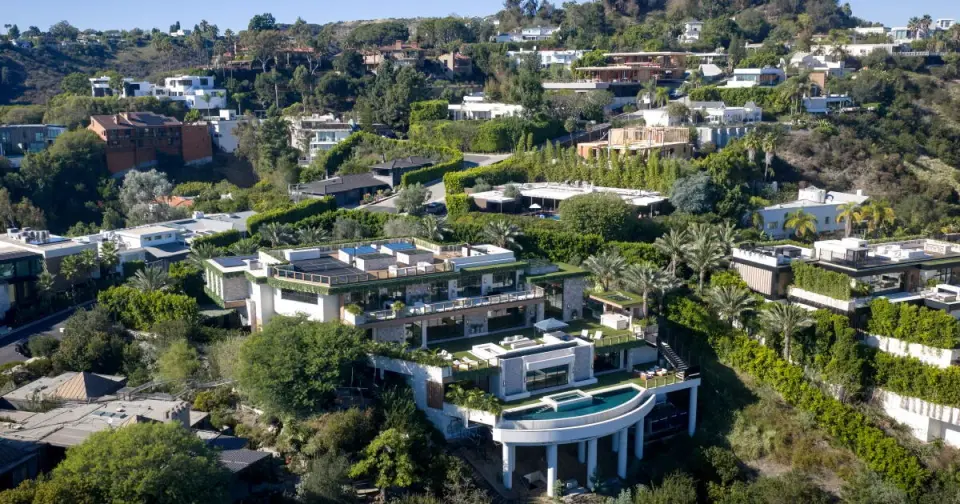
Despite the recent defeat of California’s billionaire wealth tax, luxury property developers in Los Angeles continue demolishing existing homes in prime neighborhoods to construct massive, high-value estates. This trend, often called mansionization, is driven by intense demand from tech billionaires and international buyers who are not deterred by high mortgage rates. Developers frequently purchase existing properties to avoid permitting delays, replacing modest homes with sprawling compounds featuring amenities like pickleball courts and moats. While critics argue this practice erases architectural history and harms neighborhoods, the market remains robust as buyers pay cash to secure exclusive addresses.
Key points
- The number of properties in Los Angeles’ Westside valued at over $25 million has risen from 59 to more than 300 in a decade, driven largely by demolition and replacement rather than price appreciation.
- Developers often buy existing homes to bypass lengthy permitting processes for vacant land, allowing them to build larger structures on established plots with existing utilities and zoning approvals.
- Recent high-profile transactions include a $53 million sale for a 19,000-square-foot home in Beverly Hills and a $112 million sale for a compound in Bel-Air, both built on sites of previously demolished homes.
- Luxury developers are increasingly targeting prime neighborhoods like Beverly Hills and Bel-Air, where they estimate three-fourths of development is speculative, meaning homes are built before a buyer is secured.
- Critics, including neighborhood associations and preservationists, argue that these massive new structures damage local ecology, crowd streets, and erase significant architectural history, though some residents support the rising property values.
Background
This trend continues despite recent political shifts in California. In November 2026, voters rejected Proposition 40, a proposed one-time 5% wealth tax on billionaires, and passed Proposition 42, which bans new taxes on personal assets. While the defeat of the wealth tax removed a potential financial barrier for the ultra-wealthy, the luxury real estate market in Los Angeles remains active, with developers continuing to transform prime locations into ultra-expensive estates.
Why it matters
The persistence of luxury mansion construction in Los Angeles highlights the resilience of the high-end real estate market against broader economic cooling and political changes. It illustrates how land scarcity and zoning loopholes allow developers to supersize properties in exclusive enclaves, raising questions about urban density, architectural preservation, and the impact of speculative development on neighborhood character and property values.
What to watch
Developers are expected to continue demolishing existing homes in prime Los Angeles neighborhoods to build larger, more expensive estates. Neighborhood associations may continue to amend development requirements to limit the impact of new constructions, while preservationists will likely face ongoing challenges in protecting historic homes from demolition. The market may see further high-value transactions as buyers compete for exclusive addresses, potentially leading to more speculative developments and occasional financial failures if properties fail to sell at projected prices.
Want the full story? Read the original reporting
Read on Los Angeles Times