
Billions in tariff refunds flow to corporate pockets, leaving consumers with little relief
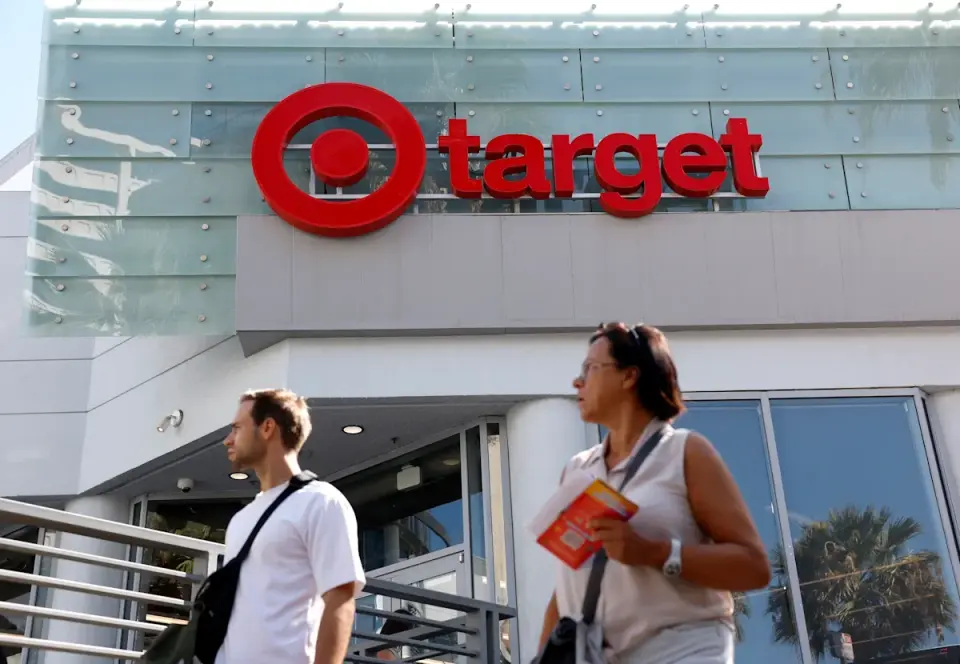
US businesses have received over $100 billion in tariff refunds following a Supreme Court ruling, but most are not passing these savings to consumers. While retailers like Walmart and Target report massive windfalls, analysts estimate only 15-20% of refunds will reach shoppers through lower prices or direct rebates.
Key points
- US Customs and Border Protection has issued $100 billion in refunds to 330,000 importers since the Supreme Court ruled global tariffs illegal.
- Major retailers disclosed significant refunds: Walmart received $2.9 billion, Target $994 million, Apple $2.2 billion, Ford $1.3 billion, Home Depot $730 million, Nike $684 million, and Amazon $640 million.
- The average US household paid an estimated $1,700 more in 2025 and 2026 due to tariffs, but experts predict only 15-20% of this cost will be returned to consumers.
- Treasury Secretary Scott Bessent criticized the refunds as a 'corporate bonanza' and stated the administration plans to recoup the money through new legal mechanisms.
- Shipping companies like FedEx and UPS are the exception, as they have established portals to pass refunds directly to customers who paid import charges.
Background
This development follows the Supreme Court's ruling that the Trump administration's global tariffs were illegal. Previous coverage noted that while these refunds boosted corporate profits, the disconnect between corporate windfalls and consumer relief remains a central economic issue. The situation highlights the ongoing tension between government policy, corporate financial strategy, and consumer impact.
How outlets are covering it
CNN and MS NOW both highlight the disparity between corporate gains and consumer losses, but emphasize different aspects. CNN focuses on the complexity of pricing algorithms and the 'murky' nature of how refunds are used, noting that companies like Walmart and Target claim to lower prices but also face other cost pressures. MS NOW emphasizes the political backlash, quoting Treasury Secretary Scott Bessent's criticism of the refunds as a 'corporate bonanza' and the administration's plan to recoup the money. Both sources agree that most consumers will not see direct refunds, but MS NOW places more weight on the political and regulatory response, while CNN focuses on the economic and business logic behind the lack of price cuts.
Why it matters
The distribution of tariff refunds reveals the disconnect between corporate financial benefits and consumer relief. While businesses are recovering significant sums, the majority of consumers who paid higher prices are not seeing corresponding refunds or price reductions. This highlights the challenges in translating government policy changes into tangible benefits for the public and raises questions about the effectiveness of tariff policies in achieving their intended economic goals.
What to watch
The administration plans to implement new legal mechanisms to recoup the refunded tariff income. Companies may face increased scrutiny or punitive measures if they do not pass refunds to consumers. The outcome of ongoing legal challenges against the administration's tariff policies could determine the final distribution of refunds and the long-term impact on consumer prices.
- Tariff refunds are hitting retailers' wallets. Here's what they're doing with the money. Yahoo Finance
- Tariffs raised prices you paid. But most businesses won’t be passing tariffs refunds back to you CNN
- Top Retailers Report More Than $5 Billion In Tariff Refunds. They’re Mostly Keeping The Money. Forbes
- 'Damage from the chaotic tariff regime cannot be refunded': The $100 billion in refunds have wiped out revenue the import taxes brought in since May Fortune
- Opinion | American consumers are still footing the bill for Trump's tariffs MS NOW
Want the full story? Read the original reporting
Read on Yahoo Finance