
Treasury Proposes Payroll Deductions for Child Investment Accounts
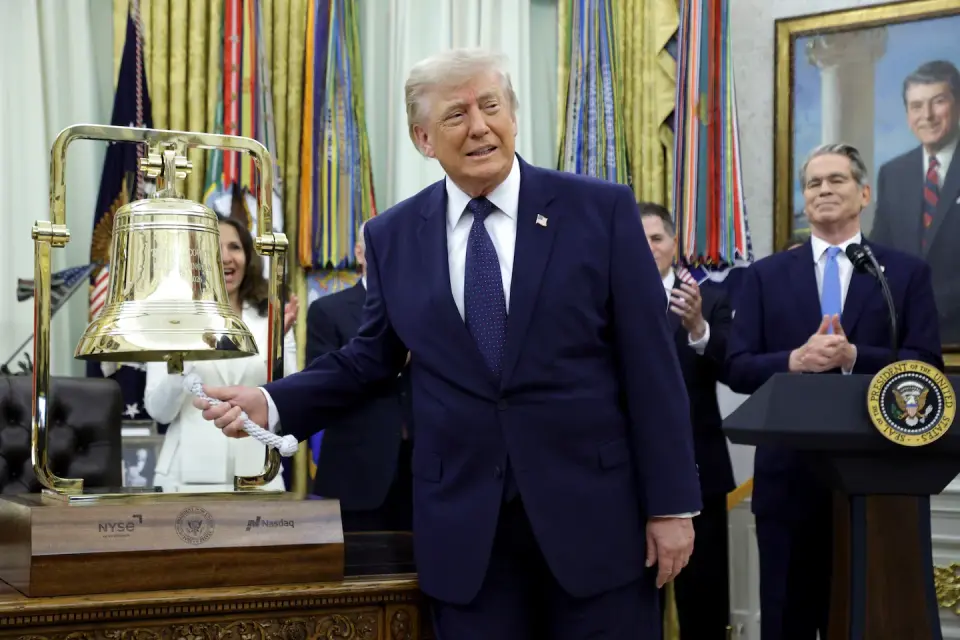
The U.S. Treasury Department has proposed regulations allowing parents to contribute up to $2,500 annually to their children’s 'Trump accounts' on a pretax basis through payroll deductions. Employers may also contribute up to $2,500 per employee per year, with a combined annual limit of $5,000 for all contributors. The rules, subject to public comment until September 25 and a hearing on October 15, aim to expand the tax-deferred savings program for children under 18.
Key points
- Parents can contribute up to $2,500 per year tax-free via payroll deductions.
- Employers may contribute up to $2,500 annually per employee, with a total $5,000 cap.
- More than 50 companies have committed to participating in the program.
- The rule is open for public comment until September 25, with a hearing scheduled for October 15.
Background
The 'Trump accounts' program, launched in July 2026, provides a $1,000 federal seed deposit for children born between January 1, 2025, and December 31, 2028. Previous coverage noted that while the program offers tax-deferred growth, critics argue it primarily benefits wealthier families, as low-income households may struggle to make sufficient contributions to maximize the accounts' potential.
How outlets are covering it
The Washington Post emphasizes the new payroll deduction mechanism as a key expansion of the program. CNBC highlights the broader employer participation, noting that while early adoption was limited (with a Mercer poll showing only 4% of employers expected to implement the program in 2026-2027), the new guidance is expected to increase interest. Both sources agree on the $2,500 individual and employer limits but differ in focus: The Post centers on the tax-free nature of the contributions, while CNBC stresses the administrative framework for employers.
Why it matters
The proposed rule could significantly increase the number of children enrolled in tax-advantaged savings vehicles, potentially influencing long-term wealth accumulation for families. It also signals a shift in how employers structure benefits, moving beyond traditional retirement plans to include child-focused financial tools.
What to watch
The Treasury and IRS will finalize the rules after the public comment period ends on September 25 and a public hearing on October 15. Employers are expected to begin implementing contribution programs in the coming months as the regulatory framework becomes clearer.
- Rule could let parents put $2,500 into child ‘Trump accounts’ tax-free The Washington Post
- Parents could put pretax paycheck money into Trump Accounts, with employers matching, Treasury says CNBC
- Parents Could Shield Up to $2,500 From Taxes With Trump Accounts Bloomberg.com
- IRS proposes tax-free employer contributions to Trump Accounts wusa9.com
- Treasury unveils employer contribution program for Trump Accounts The Hill
Want the full story? Read the original reporting
Read on The Washington Post