
Trump Accounts: 70M Created, but Claiming and Naming Spark Debate
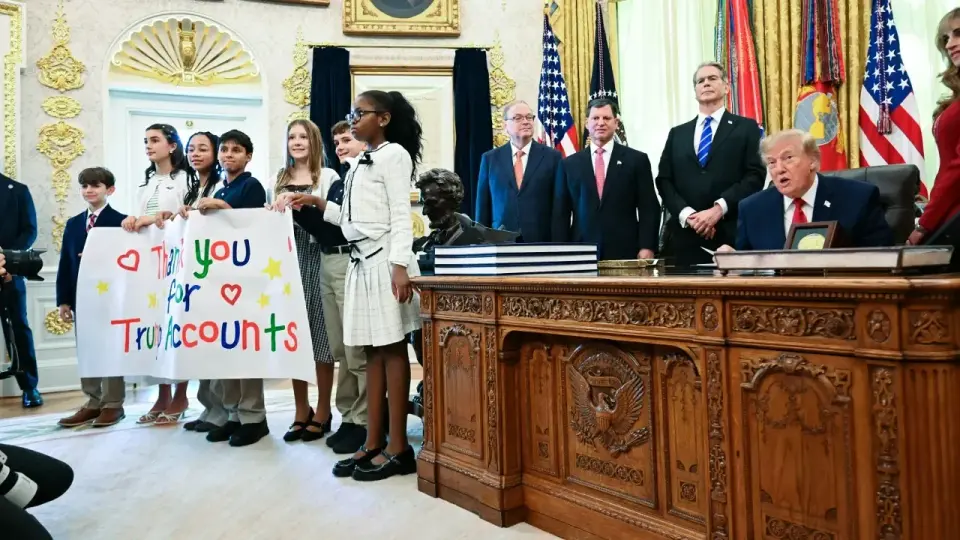
The U.S. Treasury has automatically created 70 million Trump Accounts for children, but parents must manually claim them via an app to receive a $1,000 seed contribution. While the program offers tax-advantaged investments with low fees, some families are rejecting the funds due to the program's name, and others are concerned about data privacy and long-term access restrictions.
Key points
- Nearly 70 million accounts were created since the July 4 launch, with over 60 million enrolled automatically.
- Parents must use the Trump Accounts app to verify identity and claim the $1,000 federal seed contribution.
- Accounts are invested in low-cost index funds, starting with the State Street SPDR Portfolio S&P 500 ETF.
- Contributions from family and employers can reach $5,000 per child annually under the One Big Beautiful Bill Act.
- Funds are locked until the child turns 18, with withdrawals restricted to qualified expenses like education or housing.
Background
The program shifted from a voluntary opt-in to mandatory auto-enrollment in early October to boost participation, particularly among lower-income families. Previous coverage noted that while accounts were created, take-up rates for the actual seed money remained low without active engagement from guardians. Massachusetts had a similar state program, BabySteps, launched in 2018, which offered smaller deposits for educational savings.
How outlets are covering it
Fox Business emphasizes the logistical steps for claiming funds and the investment structure, highlighting the low 0.1% expense ratio cap. The Atlantic reports that some parents are rejecting the $1,000 contribution due to moral objections to the program's name, viewing it as a branding risk rather than a financial benefit. USA Today focuses on the long-term restrictions, noting that funds cannot be withdrawn until the child turns 18 and must be used for qualified expenses. Axios highlights the role of Robinhood as the trustee, noting privacy concerns regarding biometric data collection, while also pointing out that Massachusetts participation rates mirror the national average.
Why it matters
The program represents a significant shift in federal child welfare policy, aiming to provide a financial head start for millions of minors. However, the disconnect between automatic account creation and manual claiming, combined with political polarization over the program's name, may hinder its intended reach. Additionally, the long-term lock-in of funds and privacy implications of using a private brokerage firm raise questions about the program's practicality and public trust.
What to watch
Parents and guardians are expected to continue claiming accounts through the app in the coming months. The Treasury Department may introduce additional ETF options, including Vanguard and iShares funds. Policymakers will likely monitor take-up rates to assess the effectiveness of the auto-enrollment strategy. Public debate may intensify regarding the program's name and privacy policies as more families engage with the platform.
- How parents can claim their child's Trump Account, possible $1,000 seed contribution Fox Business
- Some Parents Are Rejecting Trump’s Free Money The Atlantic
- Trump accounts for kids: how and when can families withdraw the money? USA Today
- Here's how many in Massachusetts signed up for Trump Accounts Axios
- Are Trump Accounts worth it? Experts weigh in on pros, cons, and pitfalls. Yahoo Finance
Want the full story? Read the original reporting
Read on Fox Business