
US Diesel Export Ban Threatens Global Supply Chains Amid Record Prices
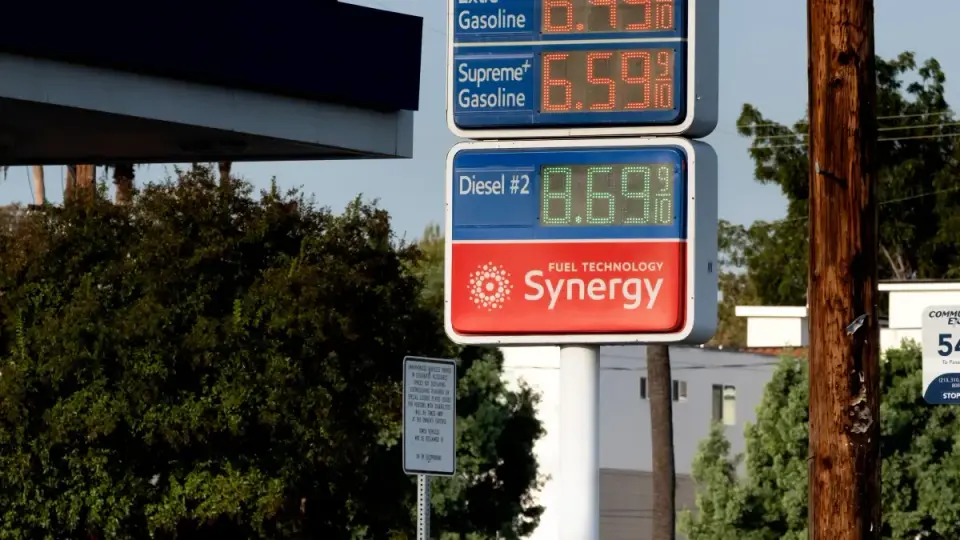
US diesel prices hit a record $6.50 per gallon, prompting President Trump and Republican lawmakers to consider a 90-day export ban to lower domestic costs ahead of midterms. While this move aims to relieve US consumers, analysts warn it could backfire by reducing refinery output and spiking global prices, particularly in Europe and Latin America, which rely heavily on US fuel.
Key points
- US diesel prices reached $6.50 per gallon in September 2026, up from $5.61 a month earlier, driven by disruptions in Russia and the Middle East.
- President Trump and several Republican senators, including Chuck Grassley and Dan Sullivan, are pushing for a temporary export ban or voluntary restrictions to lower prices before the November midterms.
- The US holds the world’s largest diesel exports, but domestic inventories have fallen to 107.9 million barrels, the lowest in over 40 years, as refineries run at near-maximum capacity.
- Analysts from Wood Mackenzie and S&P Global warn that a ban could force refineries to cut production, potentially making the US a net importer of gasoline and raising prices globally.
- Europe and Latin America are the most exposed regions, with the UK receiving one-sixth of its diesel from the US and Latin America accounting for nearly half of US diesel exports.
- Voter polls show cost of living is the top concern for 47% of Americans, driving political pressure on the administration despite industry warnings that a ban could worsen inflation.
Background
This debate follows a series of earlier reports in late September 2026, where the White House initially denied considering an export ban but later acknowledged evaluating options as prices surged. Previous coverage highlighted clashes between farm-state Republicans demanding action and energy officials warning that restricting exports would destabilize global supply chains and raise gasoline prices. The current situation escalates these tensions, with Trump publicly supporting a ban and European leaders, including UK Business Secretary Jonathan Reynolds and French President Emmanuel Macron, warning of severe consequences for their economies.
How outlets are covering it
Al Jazeera emphasizes the global market dynamics, noting that diesel is traded globally and that US refiners are incentivized to sell abroad due to higher global prices. It highlights warnings from analysts like Rachel Ziemba that a ban could backfire by reducing supply. POLITICO focuses on the UK’s vulnerability, with Business Secretary Jonathan Reynolds calling a potential ban a 'significant concern' but distinguishing between statements and actual policy. CNN’s source was inaccessible due to a technical error, so no perspective could be extracted. EL PAÍS provides a detailed analysis of the impact on Europe and Latin America, noting that the US supplies a third of European diesel imports and nearly half of Latin American imports. It also highlights internal White House divisions, with Energy Secretary Chris Wright and Interior Secretary Doug Burgum expressing doubts about the ban’s effectiveness. All sources agree that the ban is driven by political pressure ahead of midterms, but they differ on the likelihood of implementation and the severity of the global impact.
Why it matters
A US diesel export ban could trigger a global fuel price spike, exacerbating inflation and disrupting supply chains in Europe and Latin America. It could also force US refineries to cut production, potentially raising gasoline prices domestically and undermining the US’s role as a reliable energy supplier. The move highlights the tension between domestic political pressures and global market realities, with potential long-term consequences for energy trade and geopolitical stability.
What to watch
The White House is expected to announce a decision on the diesel export ban in the coming weeks, potentially before the November midterms. If implemented, the ban could last 90 days, covering the peak diesel demand season. Analysts predict that if the ban proceeds, it could lead to reduced US refinery output, higher global prices, and potential shortages in Europe and Latin America. The administration may also consider voluntary export quotas or exemptions for countries like Mexico, which supplies crude oil to the US. The outcome will depend on internal White House divisions and the ability of other countries, such as China, to fill the supply gap.
- What would a US diesel export ban mean for global fuel prices? Al Jazeera
- Why a U.S. Diesel Export Ban May Not Lower Prices The New York Times
- UK business minister warns potential US diesel export ban ‘significant concern’ politico.eu
- Trump wants to take a page out of the Biden energy playbook CNN
- Trump’s plan to ban diesel exports aggravates Europe and Latin America’s energy crisis EL PAÍS English
Want the full story? Read the original reporting
Read on Al Jazeera