
Europe’s Diesel Pledge to Trump Relies on March Commitments, Not New Reserves
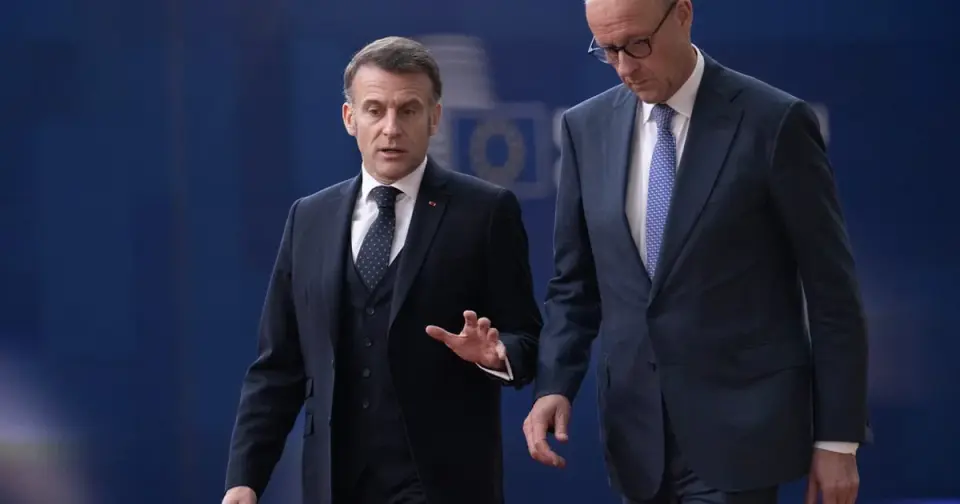
France and Germany confirmed that their recent promise to release diesel for the U.S. will not involve new stock releases, but rather the fulfillment of commitments already made in March. This clarification suggests Europe’s response to U.S. pressure was less generous than initially implied, as no additional barrels are being added to the market beyond the 100 million barrels pledged earlier in the year.
Key points
- France and Germany stated that their diesel release will consist of barrels already committed in March, not new reserves.
- The G7 agreed to release a 'substantial' amount of diesel within 20 days to lower global prices after U.S. threats of an export ban.
- Germany has released only 600,000 tons of its 2.65 million ton commitment so far, citing weak demand.
- France indicated it has 8 million barrels remaining from its March commitment and may release an additional 2 million barrels of diesel, though no firm commitment was made.
- An International Energy Agency (IEA) meeting is scheduled to clarify the exact quantities and timelines for the release.
Background
This development follows a broader energy crisis triggered by the U.S.-Iran war and the Russia-Ukraine conflict, which damaged refineries and disrupted shipping through the Strait of Hormuz. In March 2026, the G7 and IEA brokered a deal to release 100 million barrels of oil products, two-thirds of which were refined. Recent U.S. pressure, including threats of a diesel export ban, has intensified calls for immediate action to stabilize prices.
How outlets are covering it
Politico reports that European diplomats view the U.S. pressure as 'blackmail' and argue that the current release is merely the fulfillment of prior commitments, not a new concession. CNBC highlights Chevron CEO Mike Wirth’s warning that a U.S. diesel export ban would be 'unwise' and could worsen global supply pressures, emphasizing that the U.S. has been a reliable supplier. While the U.S. administration pushed for immediate action, European leaders and oil executives argue that the system is already vulnerable due to drained inventories, and that new bans could undermine confidence in global energy stability.
Why it matters
The clarification that no new diesel stocks will be released could leave global markets exposed to price spikes, especially as winter approaches. If the U.S. proceeds with an export ban despite the G7’s March commitments, it could further disrupt supply chains and exacerbate inflation. The situation highlights the fragility of global energy reserves and the geopolitical tensions between the U.S. and Europe over energy policy.
What to watch
An extraordinary IEA meeting is expected to determine the exact quantities and timelines for the diesel release. The U.S. administration may reconsider its export ban threat if the G7’s March commitments are fully implemented, but the lack of new stock releases could lead to continued price volatility. European countries may face further pressure to release additional reserves if market instability persists.
- France and Germany say diesel promise to Trump won’t require new stock release POLITICO.eu
- Chevron CEO warns against 'unwise' diesel export ban, saying it could make things worse CNBC
- Chevron CEO Mike Wirth warns Trump diesel export ban would hurt supply Quartz
- EU States Expect Oil Release Will Just Enact Prior Pledges Bloomberg.com
- ‘Blackmail’: Europe fumes against White House demand for more diesel Politico
Want the full story? Read the original reporting
Read on POLITICO.eu