
US Signs Deal with Core Power to Launch Nuclear Merchant Fleet by 2028
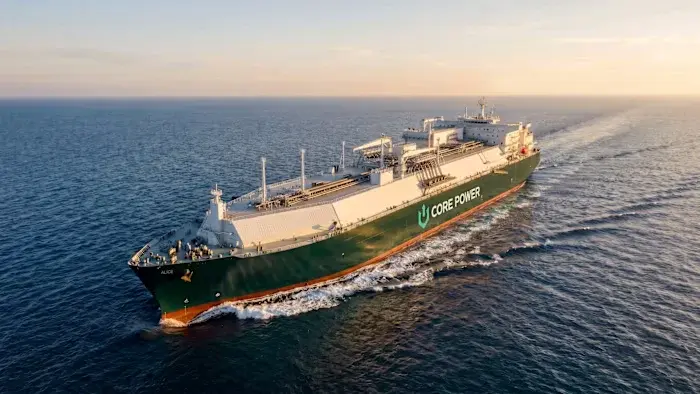
The US government is partnering with London-based Core Power to develop a nuclear-powered merchant fleet, aiming to counter China's dominance in shipbuilding through advanced technology rather than cost. A public-private partnership agreement is set to be signed, with the first vessel scheduled for construction in 2028. The initiative includes a study at the Port of Corpus Christi to assess infrastructure for both floating nuclear power plants and nuclear ships, though significant regulatory, insurance, and public acceptance hurdles remain.
Key points
- US Maritime Administration Administrator Stephen Carmel confirmed a public-private partnership with Core Power to accelerate nuclear propulsion in commercial shipping.
- Core Power, backed by Japanese conglomerates Mitsui, Mitsubishi, and Sumitomo, plans to begin building its first nuclear vessel in 2028.
- The strategy aims to shift competition away from China's low-cost model by leveraging US expertise in nuclear technology.
- A memorandum of collaboration was signed with the Port of Corpus Christi to study technical and regulatory requirements for floating nuclear power plants and nuclear ship berthing.
- The agreement does not guarantee federal funding, and the project faces challenges regarding insurance, liability, and public acceptance.
Background
This development follows earlier US focus on nuclear technology in other sectors, such as NASA's nuclear-powered missions to the Moon and Titan. It also aligns with broader US efforts to bolster defense and energy independence, as seen in South Korea's push for nuclear-powered submarines amid reduced US joint drills. The move addresses the decimation of the US shipbuilding industry due to Chinese competition.
How outlets are covering it
The Financial Times emphasizes the strategic pivot to compete with China on technology rather than cost, highlighting the involvement of Japanese investors and the lack of federal funding guarantees. Interesting Engineering focuses on the practical infrastructure aspect, detailing the memorandum of collaboration with the Port of Corpus Christi to assess feasibility for floating nuclear power plants and nuclear ship operations. While the FT notes skepticism from shipowners regarding liability and cost, Interesting Engineering frames the port study as a preliminary, fact-finding exercise to ensure regional competitiveness.
Why it matters
This initiative represents a significant attempt to revitalize the US shipbuilding industry and secure energy independence by leveraging nuclear technology. Success could redefine global shipping economics, potentially reducing reliance on fossil fuels and creating new investment models for capital-intensive maritime infrastructure.
What to watch
The US Maritime Administration is scheduled to sign the partnership agreement with Core Power on Monday. Senior US officials will hold talks with counterparts from the UK, France, Japan, South Korea, and other nations at an International Atomic Energy Agency event in Washington to advance nuclear maritime technology. Core Power aims to start construction of its first vessel in 2028, though most executives expect nuclear-powered ships to enter service no earlier than the 2030s.
- US plans nuclear-powered merchant fleet to challenge China’s shipbuilding dominance Financial Times
- Corpus Christi seaport latest to partner with MARAD on maritime reactors American Nuclear Society -- ANS
- Nuclear Maritime Propulsion: Investment Implications of Port Corpus Christi's Endorsement - News and Statistics IndexBox
- A tiny startup wants to bring nuclear power back to California Yahoo
- US to study reliable power from floating nuclear power plants, nuclear-powered commercial ships Interesting Engineering
Want the full story? Read the original reporting
Read on Financial Times