
NRC Grants First US Construction Permit for BWRX-300 Small Reactor
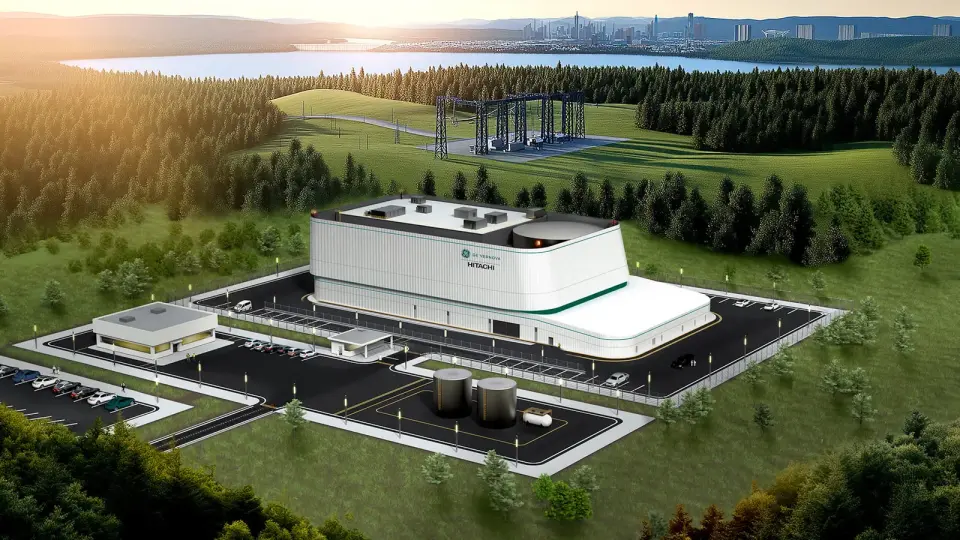
The Nuclear Regulatory Commission has approved the Tennessee Valley Authority’s construction permit for a 300-megawatt BWRX-300 small modular reactor at the Clinch River site in Oak Ridge, Tennessee. This marks the first such permit for this specific reactor design in the United States and the second for any commercial reactor in nearly a decade. The approval allows TVA to begin construction, though a separate operating license is required before fuel loading. The project is part of a broader push to secure reliable, low-carbon power for the growing AI data center sector, with TVA potentially building up to four units at the site.
Key points
- The NRC completed its review of the BWRX-300 construction permit in 14 months, finishing four months ahead of schedule.
- The BWRX-300 is a boiling-water reactor design by GE Vernova Hitachi, producing 300 megawatts of electricity, roughly one-fourth the output of the newest large reactors at Georgia’s Vogtle plant.
- TVA is evaluating the construction of up to four BWRX-300 units at the Clinch River site, though no construction start date or final cost estimate has been disclosed.
- The reactor design relies on natural water circulation and passive safety features, aiming to reduce construction time and costs through standardized, factory-made components.
- This permit follows the Canadian approval for Ontario Power Generation’s BWRX-300 at Darlington and precedes the TerraPower Natrium permit in Wyoming, marking the second US commercial reactor permit in nearly a decade.
Background
The approval comes amid heightened concerns over power demands from AI data centers, which require steady, round-the-clock generation. Previous coverage noted that AI-driven energy needs are reviving dormant nuclear projects, such as a fusion reactor experiment near Lynchburg, Virginia. Additionally, the US government has recently emphasized accelerating AI development through new executive initiatives, highlighting the critical link between AI growth and energy infrastructure. The Clinch River site has a complex history, having previously hosted a failed liquid-metal fast breeder reactor project in the 1970s and 1980s due to cost overruns and political opposition.
How outlets are covering it
TechSpot emphasizes the BWRX-300 as a potential solution to the AI power crunch, highlighting the unproven nature of small modular reactors in the US given past cost overruns at large plants like Vogtle. The American Nuclear Society (ANS) frames the approval as a significant regulatory milestone, noting it is the second US commercial reactor permit in nearly a decade and the second BWRX-300 permit in North America. ANS also provides historical context on the Clinch River site, detailing its past as a failed breeder reactor project, while TechSpot focuses more on the current technological and economic arguments for standardized reactor designs. Both sources agree on the technical specifications of the BWRX-300 but differ in their emphasis on historical precedent versus current regulatory speed.
Why it matters
The approval signals a potential shift in US nuclear policy toward smaller, standardized reactors to meet the surging energy demands of AI and data centers. If successful, the Clinch River project could validate the economic and construction timelines of small modular reactors, potentially influencing future energy infrastructure investments. The outcome will test whether standardized designs can avoid the cost overruns and delays that plagued large nuclear projects like Vogtle, which cost approximately $35 billion and entered service years behind schedule.
What to watch
TVA must obtain a separate operating license before loading fuel or generating electricity. The utility is evaluating the construction of up to four BWRX-300 units at Clinch River, with commercial operation targeted for the early 2030s. No specific construction start date or final cost estimate has been disclosed. The project’s success will depend on whether the BWRX-300 can be built on time and at a cost acceptable to utilities and large electricity users, particularly those in the AI sector.
- The US just approved its first small nuclear reactor built for the AI power crunch TechSpot
- Tennessee Valley Authority Gets Approval to Build Small Nuclear Reactor The New York Times
- US NRC approves construction of nation's first small modular nuclear reactor Reuters
- TVA receives construction permit for Clinch River American Nuclear Society -- ANS
- How GE Vernova Has Jumped Into the Lead in the Nuclear Race Barron's
Want the full story? Read the original reporting
Read on TechSpot