
Crude flows normalize in Hormuz, but refined fuel crisis deepens as US military escorts sustain fragile peace
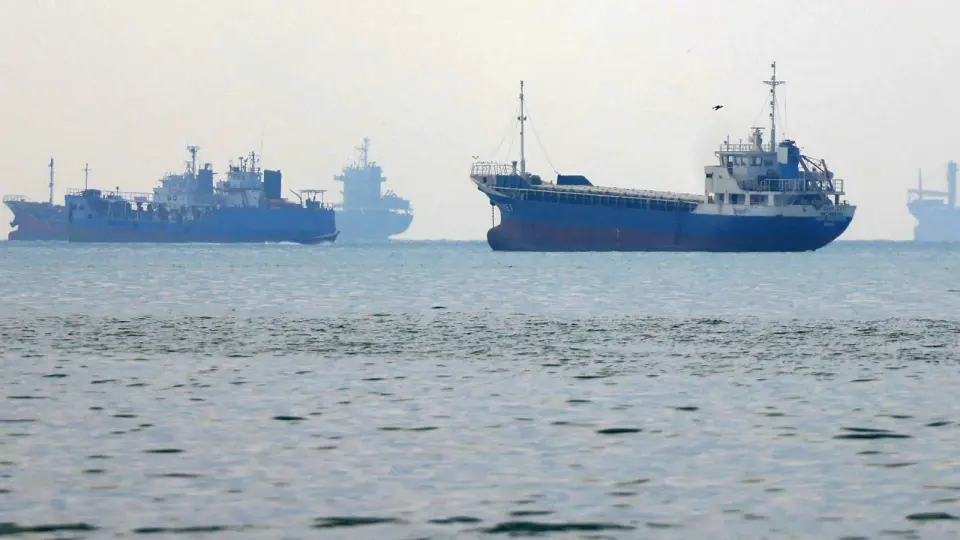
Crude oil shipments through the Strait of Hormuz have returned to pre-war levels of 13.5 million barrels per day, aided by US military escorts and pipeline diversions. However, refined fuel shipments remain severely constrained at 677,000 barrels per day, driving diesel prices to record highs above $6 per gallon in the US. While Iran’s leverage over the strait has eroded, global inventories are depleting, and analysts warn the current military-dependent supply chain is unsustainable without a diplomatic resolution.
Key points
- Crude oil transiting Hormuz reached a seven-day average of 13.5 million barrels per day, matching pre-war baselines, according to Kpler.
- Refined product shipments through Hormuz stand at 677,000 barrels per day, far below the pre-war level of 3.6 million barrels per day.
- US diesel prices have hit record highs above $6 per gallon, prompting President Trump to consider an export ban ahead of midterm elections.
- Over 70% of crude oil crossing Hormuz in August used ship-to-ship transfers off the UAE or Oman, protected by US military escorts.
- Iran’s own crude exports have collapsed due to a US naval blockade, with Treasury Secretary Scott Bessent stating Iran will have no crude left to trade in two weeks.
- Global oil inventories have dropped by approximately 2 billion barrels during the conflict, according to JPMorgan.
Background
Since March 2026, the Iran war has disrupted global energy flows, with crude shipments through Hormuz falling to a low of 5-6 million barrels per day. Previous coverage noted that US covert operations and pipeline diversions helped restore flows to two-thirds of pre-war levels by late August. The current situation represents a further recovery in crude volumes, but highlights a growing divergence between crude and refined product availability.
How outlets are covering it
CNBC and CNN agree that crude flows have normalized, but differ on the sustainability of the arrangement. CNBC emphasizes the 'uneven' recovery, noting that while crude is back to pre-war levels, refined products remain constrained, leading to a 'global fuel crisis.' CNN focuses on the 'unsustainable status quo,' arguing that the US military’s heavy commitment to escorting tankers is a temporary fix that cannot last indefinitely as inventories deplete. Both outlets cite Kpler data on tanker flows but highlight different risks: CNBC points to the political pressure on Trump regarding diesel prices, while CNN stresses the long-term economic impact of high insurance costs and depleting stockpiles.
Why it matters
The normalization of crude flows masks a severe shortage of refined fuels, which are critical for transportation and industrial activity. Record-high diesel prices threaten to trigger inflation and economic slowdown, particularly ahead of US midterm elections. The reliance on US military escorts for oil transport creates a fragile security environment, where any escalation in the Iran war could disrupt supply chains and spike prices further. The situation also highlights the vulnerability of global energy infrastructure to geopolitical conflicts, as alternative routes like pipelines and ship-to-ship transfers are not permanent solutions.
What to watch
Analysts expect the current supply arrangement to remain tense until a diplomatic resolution is reached. Trump is considering a diesel export ban to mitigate domestic price spikes, while Iran has offered to reopen Hormuz if the US returns to a failed memorandum of understanding. The US has rejected this offer, with Trump reportedly planning to resume bombing Iran after the midterm elections. The sustainability of the US military escort system is uncertain, and any further attacks on tankers or pipelines could trigger a new supply shock. Global inventories continue to decline, raising the risk of a price spike if demand outstrips supply.
- Crude oil exports through the Strait of Hormuz hit prewar levels, but fuel shipments remain constrained CNBC
- Oil Prices Edge Lower on Signs of Rising Crude Exports From Middle East WSJ
- Iran has lost considerable leverage in the Strait of Hormuz. It can’t go on like this forever CNN
- Mideast Crude Oil Flows Hit 98% of Pre-War Level, JPMorgan Says bloomberg.com
- Has Iran lost its grip on Gulf oil exports? The Economist
Want the full story? Read the original reporting
Read on CNBC