
Musk’s Terafab Chip Plant to Run on Gas, Ignoring Tesla’s Solar Tech
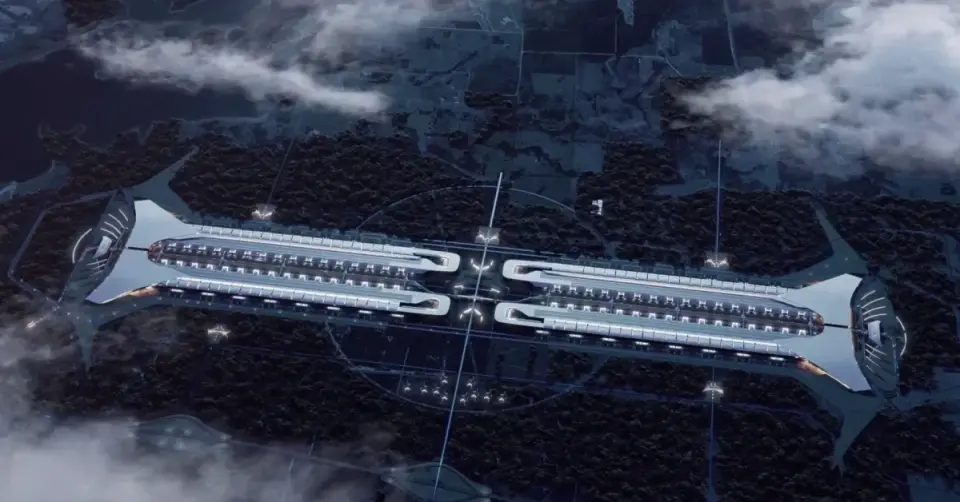
SpaceX and Tesla have confirmed that Terafab, a $16.8 billion semiconductor megafactory in Texas, will be powered by natural gas and battery storage rather than Tesla’s solar products. The facility, located in Grimes County, is designed to produce over a terawatt of compute annually for AI and robotics. Despite Tesla’s ownership stake and its marketing of solar-plus-storage solutions for data centers, the project relies on fossil fuels, mirroring the power strategy of xAI’s Memphis data center. This decision has drawn criticism for prioritizing speed and cost over sustainability, even as Texas regulators and local communities debate the environmental and tax implications of the massive industrial complex.
Key points
- Terafab is a $16.8 billion semiconductor plant in Grimes County, Texas, with a potential total investment of $119 billion.
- The facility will be powered by natural gas plants and large battery arrays, not Tesla solar panels.
- The plant is designed to produce over a terawatt of compute per year for SpaceX, xAI, and Tesla’s Optimus and Cybercab.
- Tesla co-owns the project but is not supplying its solar or battery technology for the power plan.
- The project received a $30 million Texas Enterprise Fund grant and 10-year tax breaks for local school districts.
Background
Terafab was announced in August 2026 as a vertically integrated AI chip fabrication campus in Grimes County, Texas, with partners including SpaceX, Tesla, and Intel. The project aims to produce 100–200 billion chips annually, shifting the 'compute landlord' thesis by building an in-house silicon supply chain for robotics and autonomous systems. Earlier coverage noted that the project’s feasibility and competitiveness versus established foundries like TSMC remain uncertain, and that IPO filings describe it as a general framework with no binding commitments. The facility is part of a broader trend in Texas where AI data centers are driving on-site gas plants and raising concerns about climate impact and local health.
How outlets are covering it
Electrek emphasizes the contradiction between Tesla’s solar-plus-storage marketing and the gas-first power plan for Terafab, noting that Musk’s decision prioritizes speed and cost over sustainability. The Center Square focuses on the taxpayer-funded incentives, including a $30 million grant and 10-year tax breaks for local school districts, and highlights community concerns about the environmental and economic impact of the industrial complex. Yahoo Finance and Dezeen highlight the scale of the project, describing it as the world’s largest building with a potential $119 billion investment, but provide less detail on the power source. The NAACP and environmental groups have sued over unpermitted gas turbines at xAI’s Memphis data center, citing health risks, while Trump’s DOJ intervened to keep them running on national-security grounds.
Why it matters
The decision to power Terafab with natural gas instead of solar underscores a shift in Musk’s energy strategy, moving away from the 'solar electric economy' he once championed. It raises questions about the environmental impact of AI infrastructure and the role of taxpayer incentives in driving fossil fuel adoption. The project’s scale and power strategy could set a precedent for other AI data centers, potentially straining the grid and raising electricity costs for residents. Additionally, the reliance on gas turbines, some of which are unpermitted, has sparked legal and public health debates, highlighting the tension between rapid AI expansion and sustainable energy goals.
What to watch
The next phase of Terafab’s construction will likely involve the installation of natural gas plants and battery storage systems, as outlined in the power plan. Local communities in Grimes County may continue to monitor the project’s impact on land, water, roads, and emergency services. Environmental groups may pursue further legal action against unpermitted gas turbines, while regulators and policymakers will weigh the fiscal and environmental implications of the project. Tesla may continue to market its solar-plus-storage solutions for other data centers, but the Terafab decision suggests a short-term preference for gas-powered infrastructure. The project’s long-term competitiveness versus established foundries like TSMC will depend on its ability to scale production and manage costs effectively.
- Musk’s Terafab chip plant will run on gas, not Tesla solar Electrek
- Elon Musk Plans to Spend $119 Billion to Construct the World’s Largest Building, Just Outside Houston Yahoo Finance
- SpaceX and Tesla choose Texas for AI chip manufacturing plant that will be world's largest building Fox Business
- SpaceX receiving millions in taxpayer funds to build industrial complex The Center Square
- Elon Musk reveals plans for world's largest building Dezeen
Want the full story? Read the original reporting
Read on Electrek