
Aramco CEO Warns Oil Inventories Are 'Scarily Thin' After Middle East Conflict
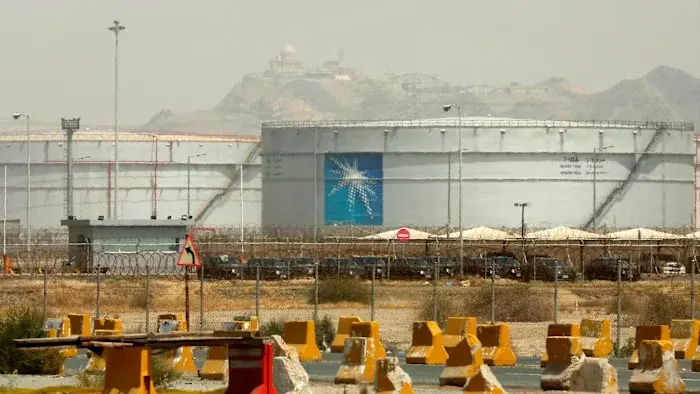
Saudi Aramco CEO Amin Nasser warned that global oil stockpiles are 'scarily thin' following a seven-month conflict involving the US, Israel, and Iran. Nasser stated that the war reduced regional supply by nearly 3 billion barrels, with over 1 billion barrels drawn from reserves to cushion the shortfall. He estimated that rebuilding inventories could take up to two years, even after the conflict ends. While Gulf exports have recovered to 15.5 million barrels per day, representing over 80% of pre-conflict volumes, physical crude prices remain at their highest levels since April. Aramco is exploring alternative export routes to mitigate future disruptions.
Key points
- Amin Nasser, CEO of Saudi Aramco, described global oil inventories as 'scarily thin' at the Energy Intelligence Forum in London.
- The seven-month conflict between the US, Israel, and Iran reduced oil supply from the region by nearly 3 billion barrels.
- Over 1 billion barrels have been drawn from reserves, with the majority coming from commercial inventories rather than strategic government reserves.
- Nasser estimated that replenishing inventories while meeting demand could take up to two years after the conflict ends.
- Gulf country shipments rose to 15.5 million barrels per day last month, the highest level since the war began, but at significantly higher costs.
- Aramco is studying additional export routes and overseas storage facilities to protect customers against future disruptions.
Background
In September 2026, oil prices experienced a six-day losing streak following US-Iran diplomatic talks and the partial restart of Saudi Arabia's East-West pipeline. Prior to this, Houthi attacks on Saudi energy infrastructure, including the Jizan refinery and the Abqaiq plant, had threatened global crude supply. China's massive oil stockpile of approximately 1.4 billion barrels helped stabilize the market during earlier tensions, though Brent crude hovered near $100 per barrel.
How outlets are covering it
Financial Times and CNBC both reported on Amin Nasser's warnings regarding the thinness of global oil inventories and the two-year timeline for recovery. CNBC noted that oil prices were mixed as Middle East crude exports rose, with Brent crude trading at $102.92 per barrel. The New Arab focused on Aramco's strategic move to explore new land-based export routes, such as pipelines to Oman, to bypass the Strait of Hormuz. This outlet highlighted that war-risk insurance premiums for Saudi-linked tankers had tripled, making alternative routes financially viable despite high construction costs. While FT and CNBC emphasized the immediate supply crunch and price volatility, The New Arab highlighted long-term infrastructure changes to mitigate geopolitical risks.
Why it matters
The depletion of global oil inventories poses a significant risk to energy security and economic stability. With commercial reserves nearly exhausted, any further disruption could lead to sharp price spikes and supply shortages. Aramco's exploration of alternative export routes signals a shift in global energy logistics, potentially reducing reliance on the Strait of Hormuz. This could have long-term implications for regional geopolitics and the cost of energy for consumers and industries worldwide.
What to watch
Aramco is expected to announce details on its new export routes and storage facilities in the coming months. Governments, including the G7, have agreed to release additional diesel and crude from emergency reserves to cushion the market. Oil prices may remain volatile as the conflict continues, with physical crude prices already at their highest levels since April. The success of alternative export routes will depend on bilateral agreements and technical feasibility, particularly for routes involving Oman and the Arabian Sea.
- Saudi Aramco chief warns world’s oil stockpiles are ‘scarily thin’ ft.com
- Saudi Aramco chief says replenishing global oil stockpiles could take two years cnbc.com
- Oil Inventories Could Take Two Years to Rebuild, Says Saudi Aramco CEO WSJ
- Global Oil Supply Buffer Running ‘Scarily Thin,’ Aramco CEO Says Bloomberg.com
- Saudi Aramco eyes new oil routes to bypass Strait of Hormuz The New Arab
Want the full story? Read the original reporting
Read on ft.com