
Aramco Chief Warns Oil Supply Squeeze Could Last Two Years
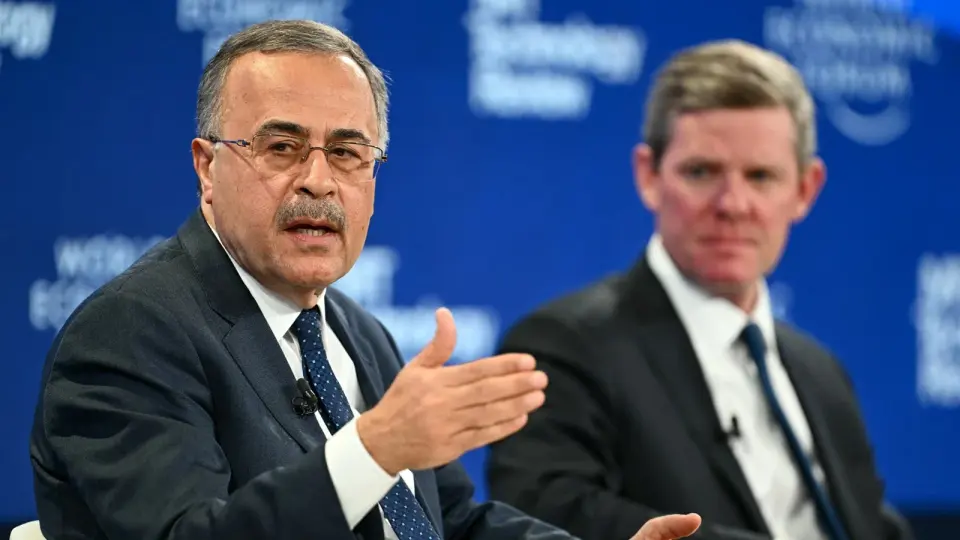
Saudi Aramco CEO Amin Nasser stated that rebuilding global oil inventories could take up to two years after the US-Iran conflict. He reported that nearly 3 billion barrels of supply were lost, and over 1 billion barrels were drawn from reserves. Nasser described current stockpiles as 'scarily thin' and warned that the system is straining. While Gulf exports have recovered to 80% of pre-war levels, physical crude prices remain at their highest since April. Aramco is exploring alternative export routes to mitigate future disruptions.
Key points
- Amin Nasser, CEO of Saudi Aramco, warned at the Energy Intelligence conference in London that replenishing global oil inventories could take up to two years, even after the conflict ends.
- Nasser stated that the war between the US, Israel, and Iran has reduced regional oil supply by nearly 3 billion barrels, with over 1 billion barrels drawn from reserves to cushion the shortfall.
- He described current commercial inventories as 'scarily thin,' noting that less than 6 billion barrels remain, with the vast majority not practically available.
- Gulf country shipments rose to 15.5 million barrels per day last month, the highest level since the war began, representing over 80% of pre-conflict volumes, according to data provider Kpler.
- Physical North Sea crude cargoes for delivery this month reached their highest levels since April, indicating that oil markets remain extremely tight despite recovering flows.
- Aramco is studying additional routes for exporting Saudi crude and exploring further overseas storage facilities to protect customers against future disruptions.
Background
This warning follows a seven-month conflict involving the US, Israel, and Iran, which severely disrupted shipping through the Strait of Hormuz, a waterway that typically handles around 20% of the world's oil and liquefied natural gas supplies. Recent developments include a tanker being halted by Iran's Islamic Revolutionary Guard Corps near Oman, and Houthi attacks on Aramco facilities in Riyadh, which Saudi coalition forces responded to with 97 counter-strikes. The G7 recently agreed to release 100 million barrels of diesel and crude from emergency reserves in response to pressure from US President Donald Trump.
How outlets are covering it
CNBC and the Financial Times both report on Amin Nasser's warnings at the Energy Intelligence conference in London, but they emphasize different aspects. CNBC focuses on the timeline for rebuilding inventories and the immediate impact on oil prices, noting that Brent crude futures traded 0.7% higher at $102.92 per barrel, while WTI futures stood 0.4% lower at $90.76. The Financial Times, however, highlights the 'scarily thin' nature of global stockpiles and the weaponization of modern technology, such as satellite imagery and shipping logs, against infrastructure and tankers. Both outlets agree that the supply squeeze is severe, but the Financial Times places more emphasis on the long-term implications for energy security and the need for governments to focus on resilience, while CNBC focuses on the immediate market reactions and the G7's decision to release emergency reserves.
Why it matters
The warning from Saudi Aramco's CEO underscores the severe impact of the US-Iran conflict on global oil supplies and the potential for a prolonged supply squeeze. The two-year timeline for rebuilding inventories suggests that oil prices may remain elevated for an extended period, which could have significant implications for global inflation, energy costs, and economic growth. The 'scarily thin' stockpiles and the weaponization of technology against infrastructure highlight the vulnerability of the global energy system and the need for governments and companies to focus on energy security and resilience. The recovery of Gulf exports to 80% of pre-war levels is a positive sign, but the high physical crude prices indicate that the market remains tight, and the risk of further disruptions remains high.
What to watch
Investors and policymakers will closely monitor the recovery of oil flows through the Strait of Hormuz and the impact of the G7's decision to release 100 million barrels of diesel and crude from emergency reserves. The focus will also be on Aramco's efforts to explore alternative export routes and overseas storage facilities to mitigate future disruptions. The long-term implications of the 'scarily thin' stockpiles and the two-year timeline for rebuilding inventories will likely influence energy security policies and investment decisions in the coming months.
- Saudi Aramco chief says replenishing global oil stockpiles could take two years CNBC
- Saudi Aramco chief warns world’s oil stockpiles are ‘scarily thin’ ft.com
- ConocoPhillips says no decision yet on North Sea offer Reuters
- Replenishing Oil Stockpiles Will Boost Oil Demand for Years, Aramco CEO Says WSJ
- Global Oil Supply Buffer Running ‘Scarily Thin,’ Aramco CEO Says Bloomberg.com
Want the full story? Read the original reporting
Read on CNBC