
Asia Accelerates Strategic Oil Reserves and Storage Infrastructure After Hormuz Disruption
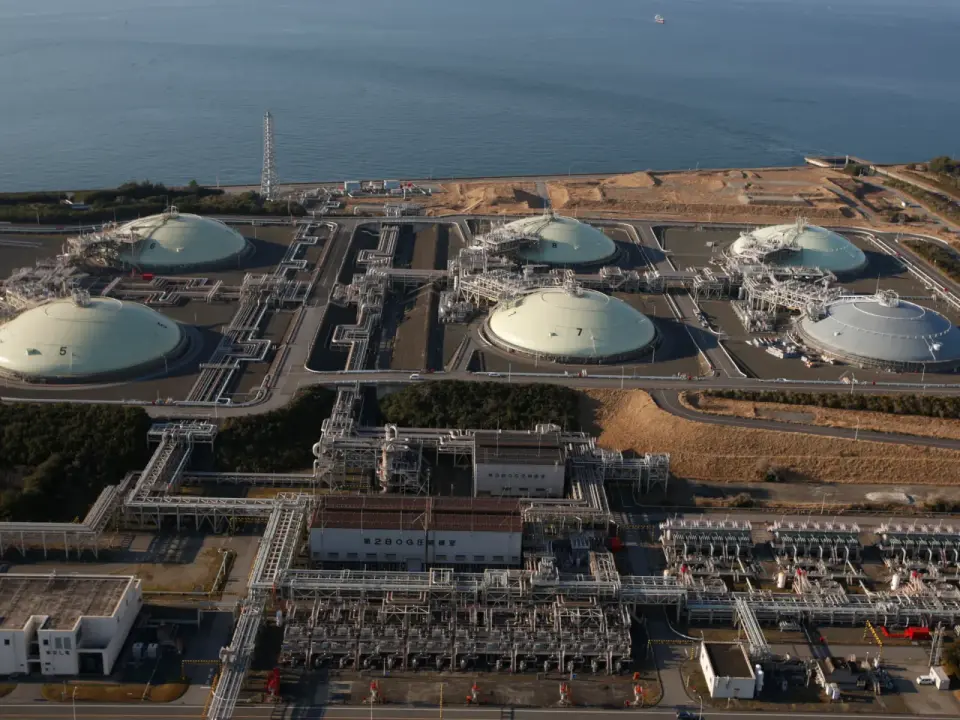
Following the US-Israel-Iran conflict that choked the Strait of Hormuz, Asian nations are shifting from emergency fuel rationing to long-term infrastructure investments. Japan has launched a $10 billion initiative to help Southeast Asia build reserves, while India, South Korea, and China are expanding domestic storage and pipeline networks to reduce reliance on vulnerable Gulf supply routes.
Key points
- Japan’s Prime Minister Sanae Takaichi announced the $10 billion POWERR Asia initiative in April to assist Southeast Asian nations in procuring oil and building strategic stockpiles.
- Vietnam held only five to seven days of national oil reserves at the start of the conflict, while Thailand and the Philippines held 61 and 50-60 days respectively, all below the International Energy Agency’s 90-day benchmark.
- India’s state-owned Oil and Natural Gas Corporation plans to build a new reserve of 13 million barrels in the south and expand existing stockpiles by 6.5 million metric tonnes.
- China’s 15th Five-Year Plan (2026-2030) includes provisions for expanded LNG storage and deep-water drilling, with state operator PipeChina accelerating construction on 9,000 kilometers of domestic pipeline.
- The UAE’s ADNOC aims to raise its crude storage capacity in India to 30 million barrels, while South Korea considers expanding its reserves by an additional 30-40 million barrels.
Background
Gas prices in the US have remained elevated above $4 per gallon since mid-2026, driven by the prolonged closure of the Strait of Hormuz and ongoing tensions between the US and Iran. Previous coverage noted that Brent crude traded in the upper $90s per barrel, with no diplomatic negotiations in sight to end the hostilities, keeping global energy markets volatile and supply tight.
How outlets are covering it
Al Jazeera provides a comprehensive overview of the region's shift toward 'bypassing geopolitical risk' through infrastructure, highlighting specific initiatives in Japan, India, and China. Energy Intelligence focuses specifically on the adaptation strategies of Southeast Asian nations, noting that while the crisis exposed vulnerabilities, it has driven policy changes in Indonesia, Malaysia, and the Philippines. Politics Today mirrors the Al Jazeera narrative but emphasizes the immediate economic fallout and the urgency of the new reserve legislation in the Philippines and Thailand. All sources agree that the crisis has accelerated pre-existing plans for energy security, but Al Jazeera and Politics Today provide more specific figures on reserve levels and investment amounts, whereas Energy Intelligence focuses on the broader regional policy shift.
Why it matters
The disruption of the Strait of Hormuz has forced Asian economies to rethink their energy security architecture. By building larger strategic reserves and diversifying storage locations, these nations aim to mitigate future shocks from geopolitical conflicts. This shift could reshape global energy trade flows, as countries seek to store oil closer to home or bypass chokepoints entirely, potentially reducing dependence on Middle Eastern suppliers in the long term.
What to watch
Asian governments are expected to continue expanding their strategic oil reserves and pipeline infrastructure. Japan’s POWERR Asia initiative will likely lead to increased cooperation with Southeast Asian nations, while India and South Korea may finalize new storage agreements with Gulf producers. China’s accelerated pipeline construction and expanded LNG storage will further solidify its energy security posture, potentially influencing global energy markets and trade dynamics.
Want the full story? Read the original reporting
Read on Al Jazeera