
Houthi Strikes on Saudi Airports Push Brent Crude Back Above $100
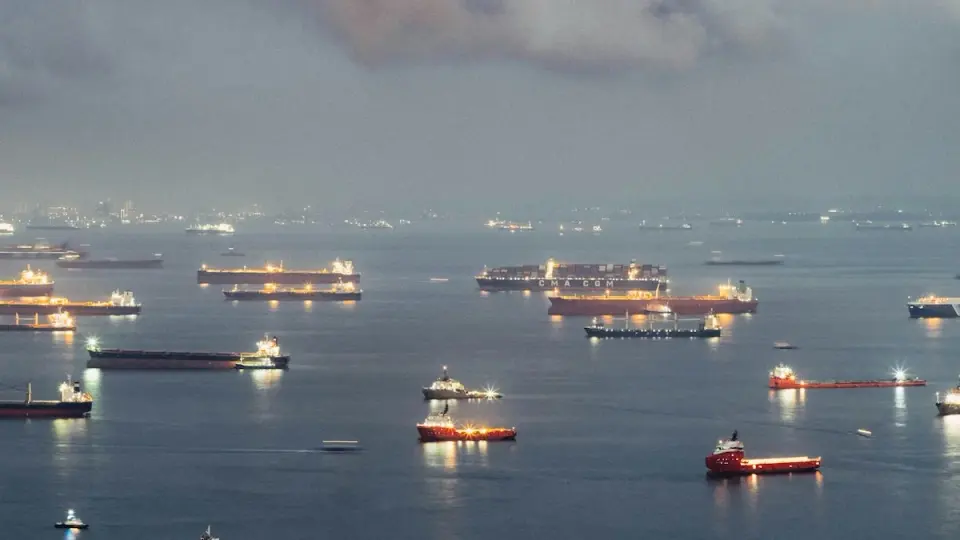
Brent crude prices rebounded above $100 per barrel after Houthi militants attacked Saudi airports, including one near a major Aramco refinery. This price spike occurred despite Saudi Arabia reporting that its East-West pipeline had restored flows to 5.8 million barrels daily. The market remains volatile due to conflicting signals: while physical oil exports from the Gulf have recovered to 81% of pre-war levels, shipping costs have surged and security threats in the Strait of Hormuz persist. The International Energy Agency (IEA) is prioritizing diesel stock releases to mitigate fuel shortages, but analysts warn that prices will stay elevated until geopolitical risks are resolved.
Key points
- Brent crude traded at $101.49 and WTI at $90.14, reversing a previous dip, following confirmed Houthi attacks on Saudi airports in Jazan and Najran.
- Saudi Energy Minister Prince Abdulaziz bin Salman confirmed that the East-West pipeline flow has rebounded to 5.8 million barrels per day, countering earlier reports of shutdowns.
- The Jazan attack is significant as it is near a 400,000-barrel-per-day Aramco refinery, heightening fears of infrastructure damage despite stable export volumes.
- Supertanker freight rates have exceeded $1 million per day as shipping logistics become more complex and costly to navigate current security risks.
- The IEA agreed to prioritize the release of diesel stocks, with approximately 100 million barrels remaining from the March emergency plan, to address tight fuel markets.
Background
This volatility follows weeks of escalating tensions. In early October, Yemen’s government launched a full-scale offensive to retake Houthi-held territory, supported by Saudi and US intelligence. Previous weeks saw Brent crude hover near $108 as Houthi advances threatened Red Sea shipping routes and Saudi oil infrastructure. Although China recently urged Iran to curb attacks, leading to a brief dip in prices, the current strikes indicate that the security situation remains fragile and unresolved.
How outlets are covering it
OilPrice.com emphasizes the 'tug-of-war' between improving supply volumes and lingering security threats, noting that traders are focused on logistics rather than just volume. CNBC highlights the IEA's decision to prioritize diesel releases and the volatility caused by Houthi strikes, noting that oil prices fell slightly after the IEA announcement but remained high due to geopolitical risk. Al Jazeera provides a detailed analysis of how oil is bypassing the Strait of Hormuz via ship-to-ship transfers and the East-West pipeline, questioning the sustainability of these methods given rising freight costs. Yahoo Finance reported on the broader market impact, noting stock slides due to oil volatility, though specific details were limited in the provided text. There is a consensus that while physical supply is recovering, the risk premium remains high due to unpredictable attacks and logistical challenges.
Why it matters
The return of Brent crude above $100 signals that the global energy market has not yet stabilized. High oil prices contribute to inflationary pressures, as seen in India’s recent inflation rise, and impact global supply chains. The reliance on complex, high-cost shipping routes and the threat of further infrastructure damage mean that energy security remains a critical geopolitical issue. The IEA’s stock releases may provide temporary relief, but without a resolution to the Houthi-Saudi conflict and the broader Iran-US tensions, prices are likely to remain elevated and volatile.
What to watch
Traders will monitor the security situation in Saudi Arabia and the Strait of Hormuz for any further attacks on infrastructure or shipping. The IEA may release more diesel stocks if market tightness persists. Saudi Arabia will likely continue to rely on the East-West pipeline and alternative shipping routes, but the sustainability of these methods depends on the security environment. Any escalation in the Houthi-Saudi conflict or further Iranian involvement could push oil prices higher, while a de-escalation could lead to a price correction.
- Brent Back Above $100 as Houthis Hit Saudi Infrastructure Crude Oil Prices Today | OilPrice.com
- Oil rises as concerns over Houthi attacks on Saudi Arabia eclipse supply recovery CNBC
- Record Run for US Stocks to Set Tone for Asia: Markets Wrap Bloomberg.com
- Hormuz ship attacks surge: Are increased oil exports sustainable? Al Jazeera
- Stocks decline as oil climbs on Mideast flareup Yahoo Finance
Want the full story? Read the original reporting
Read on Crude Oil Prices Today | OilPrice.com