Tag

Iea

All articles tagged with #iea

Energy shock accelerates global shift to renewables and electrification
energy16 days ago

Energy shock accelerates global shift to renewables and electrification

The Iran-related energy shock is likely to hasten the world’s move away from fossil fuels toward renewables and electrification, as high prices and supply fears push more investment into clean energy, storage, and grid upgrades. Renewables already drove the majority of new power capacity last year (led by solar), and electrified transport could cut oil imports by hundreds of billions annually, though near-term subsidies for fossil fuels and coal prospects could temper the pace.

Oil Extends Rally After Iran Denies US Talks, Supply Risks Remain in Focus
energy17 days ago

Oil Extends Rally After Iran Denies US Talks, Supply Risks Remain in Focus

Oil prices climbed in early Asian trade after Iran denied negotiating with the U.S., with WTI around $91.50 and Brent near $103 as markets reassess supply risk amid Middle East disruptions; Monday’s dip below $100 spurred by Trump’s remarks was followed by Iran’s denial of talks, while the IEA notes widespread energy infrastructure damage and ongoing supply constraints that could keep prices elevated even if hostilities ease.

Hormuz Crisis Triggers Record Oil-Reserve Usage Across Nations
world18 days ago

Hormuz Crisis Triggers Record Oil-Reserve Usage Across Nations

Amid Iran‑led disruption of the Strait of Hormuz, countries are tapping/holding large oil stocks. The IEA so far coordinated a record 400 million-barrel draw from member emergency stocks, while the US SPR sits around 415 million barrels (with about 172 million slated for release this year). Japan holds roughly 470 million barrels; the UK about 38 crude and 30 refined; Germany about 110 crude and 67 refined; France around 120 total (with SAGESS), Spain about 150 total (Spain released ~11.5 million), and Italy about 76. China continues to hold the world’s largest non‑IEA stockpile, with onshore inventories around 1.13 billion barrels as of 2025. US reserves provide roughly 200 days of net imports. The shift comes as Brent prices surge above $100/bbl from about $65 pre‑war, reflecting ongoing supply concerns.

IEA warns: Middle East energy grid battered, signaling prolonged supply risk
business19 days ago

IEA warns: Middle East energy grid battered, signaling prolonged supply risk

The IEA says at least 40 energy assets across nine Middle Eastern countries have been severely damaged since the Iran war began, risking lengthy repairs and ongoing supply disruptions as the Strait of Hormuz remains blocked; LNG and global oil markets face the largest shocks since the 1970s oil crises and the 2022 gas crisis, with Asia most exposed, and the agency is prepared to take further market action if needed.

IEA weighs fresh oil stock releases as Iran conflict tightens markets
energy19 days ago

IEA weighs fresh oil stock releases as Iran conflict tightens markets

The IEA says it is consulting with governments in Asia and Europe on releasing more oil from strategic stockpiles if necessary due to the Iran war, following a record 400 million-barrel drawdown; there is no fixed price trigger, and any additional release would aim to ease market pain rather than solve the crisis. Birol, on a world tour starting in Canberra, warns the Middle East crisis is severe, emphasizes the Strait of Hormuz as central to the energy squeeze, and notes possible demand-saving measures like lower speeds and work-from-home; Australia reports solid diesel stocks at about 30 days.

IEA Chief Warns Iran Conflict Triggers Global Energy Crisis Rivaling 1970s Shocks
world19 days ago

IEA Chief Warns Iran Conflict Triggers Global Energy Crisis Rivaling 1970s Shocks

IEA chief Fatih Birol warns that the Iran war, Hormuz Strait closures, and spillover from the Ukraine conflict have created a global energy crisis as severe as the 1970s oil shocks, threatening oil and gas supplies and cascading into petrochemicals and fertilisers. He notes significant damage to Gulf energy assets, the potential for further emergency oil releases, and stresses the need for coordinated, global demand- and supply-side measures rather than national stockpiling.

Global energy shock deepens as Iran war eclipses past crises, says IEA chief
world19 days ago

Global energy shock deepens as Iran war eclipses past crises, says IEA chief

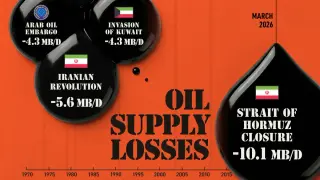
The IEA’s Fatih Birol warned that the US–Israel war on Iran has sparked an energy crisis larger than the 1970s oil shocks and the post‑Ukraine gas crisis, with about 11 million barrels per day of oil lost and roughly 140 BCM of gas, threatening petrochemicals and fertilisers. Oil prices rose above $100 a barrel as markets reeled and discussions of further stockpile releases emerged, even as diplomats push to reopen the Strait of Hormuz and renew talks on Iran’s nuclear program; the conflict triggered broad market volatility and policy responses from Asia to the Pacific, including fuel-standard tweaks in New Zealand and energy deals in Vietnam with Russia.

Remote work and slower driving urged to stretch global energy supplies
world21 days ago

Remote work and slower driving urged to stretch global energy supplies

Amid high energy prices, the IEA urges governments to cut energy use with measures such as promoting remote work, slower driving speeds, and greater reliance on public transport, alongside policies like shorter school hours and reduced air travel; the agency stresses broader shifts toward renewables, energy efficiency, and potential stock releases to bolster energy security.

IEA urges work-from-home to blunt oil shock amid Iran conflict
science22 days ago

IEA urges work-from-home to blunt oil shock amid Iran conflict

The International Energy Agency warns of looming fuel shortages amid the Iran conflict and calls for governments, businesses, and households to curb energy demand with 10 immediate actions, including working from home, reducing highway speeds, boosting public transport, alternate private-car access, car sharing, efficient driving for commercial vehicles, diverting LPG usage for essential needs, avoiding air travel, switching to electric cooking, and leveraging petrochemical feedstock flexibility; the advice is voluntary and focuses on reducing road transport, which accounts for about 45% of global oil demand, to ease price pressures and bolster energy security.

Hormuz Disruption Tests Markets as Reserves Prove Temporary
energy26 days ago

Hormuz Disruption Tests Markets as Reserves Prove Temporary

Iran’s Strait of Hormuz closure has sent oil prices above $100 as ships avoid the chokepoint. The IEA’s 400 million-barrel emergency release—largest in its history—offers only a temporary buffer, since it would cover roughly four days of global demand or about 20 days of Hormuz throughput. With shipments through Hormuz down to under 10% of pre-war levels and threats to energy infrastructure like Kharg Island, the crisis could deepen if supply remains disrupted.

Stockpile releases buy time, but oil prices keep rising on Hormuz disruption
business27 days ago

Stockpile releases buy time, but oil prices keep rising on Hormuz disruption

Oil prices jumped more than 17% after the IEA announced the largest emergency stockpile release in its history, with Brent above $100 as supply gaps from the Iran conflict and the Strait of Hormuz persist. The 400 million barrels released by 30+ countries, led by 172 million from the U.S., will not instantly close the gap and will be drawn down over about 120 days, covering only a fraction of the disrupted supply. Analysts say the move buys time but cannot solve the crisis, and prices could still rise to $110–$135 if the war persists and the Strait remains blocked, while governments face the risk of depleting stockpiles.

Hormuz Blockade Sparks Global Oil Rally, Hits U.S. Gas Prices
world28 days ago

Hormuz Blockade Sparks Global Oil Rally, Hits U.S. Gas Prices

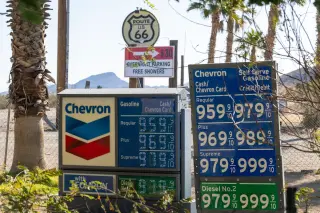
The Strait of Hormuz disruption, condemned by Iran and tied to U.S.-Israel strikes, is driving a global oil price surge that modestly but visibly raises U.S. pump prices (gasoline around $3.50/gal, up about 19% since late February). While the U.S. is a major producer with relatively small Persian Gulf imports, the global nature of oil markets means prices rise with any disruption. About 20 million barrels per day passed through Hormuz in 2025, mostly headed to Asia, and the IEA warned prolonged outages could trigger shortages. In response, nations authorized extraordinary reserve releases (IEA ~400 million barrels; U.S. SPR ~172 million barrels) to stabilize markets as the conflict continues.)