
New Haven turns a sealed landfill into a $1.4M revenue stream using ballasted solar panels
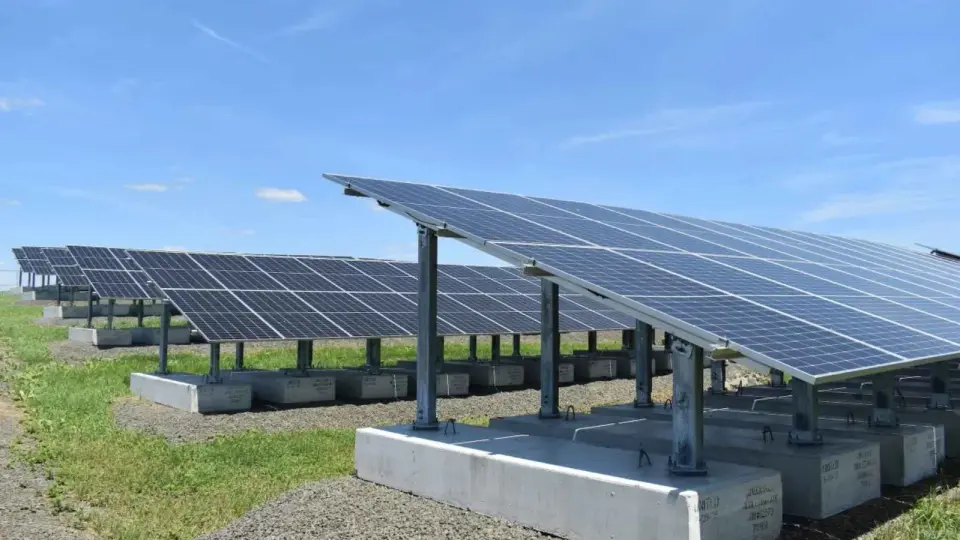
New Haven, Connecticut, has converted a sealed municipal landfill into a revenue-generating solar farm without spending any public funds. The city signed a 20-year lease with developer Greenskies Clean Energy, securing $6,000 monthly payments for a total of $1.4 million. The array, comprising over 1,900 panels, began feeding electricity to the local grid in July 2026. Because the landfill cap cannot be pierced by traditional steel piles, the installation relies on concrete ballast blocks to secure the racks. The project generates approximately 1.4 million kilowatt-hours annually, powering roughly 200 homes, and demonstrates a viable model for monetizing idle, capped waste sites across the country.
Key points
- The city of New Haven signed a 20-year lease with Greenskies Clean Energy for a solar array on a capped landfill at 260 Middletown Avenue.
- The deal generates $6,000 per month ($72,000 annually) for the city’s general fund, totaling $1.4 million over the lease term, with zero upfront public cost.
- Over 1,900 solar panels were installed using concrete ballast blocks instead of driven steel piles to avoid puncturing the landfill’s protective liner.
- The array began selling electricity to United Illuminating on July 9, 2026, producing roughly 1.4 million kilowatt-hours per year.
- The project was completed in approximately 10 months, from the September 2025 announcement to the July 2026 power sale, despite winter construction delays.
Background
This development follows a broader trend of repurposing idle urban land for renewable energy. While the archive notes unrelated events such as waste facility fires in Oregon and political promises regarding citizen dividends, the New Haven project stands out as a practical example of municipal asset monetization. It contrasts with larger, stalled projects like Houston’s Sunnyside landfill solar farm, which has faced delays for seven years. New Haven’s success highlights how smaller, ballasted systems can bypass the engineering and regulatory hurdles that often stall larger urban solar initiatives.
Why it matters
This project offers a replicable model for cities with idle, capped landfills that previously generated no revenue. By using ballasted mounting systems, municipalities can avoid the high costs and environmental risks associated with drilling into waste caps. The financial structure, where the city receives rent rather than bearing construction costs, provides a low-risk way to generate steady municipal revenue and hedge against energy price volatility. It also demonstrates that smaller, modular solar projects can achieve faster deployment timelines than massive urban solar farms, potentially accelerating the adoption of renewables on constrained urban sites.
What to watch
New Haven and Greenskies plan to expand solar installations to four additional city sites by next summer, including East Shore Park, Roberto Clemente Academy, Career High School, and Wilbur Cross High School. The city is also exploring the possibility of installing a second cluster of panels on the same landfill. These expansions will test the scalability of the ballasted solar model across various municipal properties, potentially establishing a new standard for urban renewable energy development.
Want the full story? Read the original reporting
Read on Autonocion.com