
Oil dips on Trump's energy ceasefire, but Middle East risks and shipping costs keep prices elevated
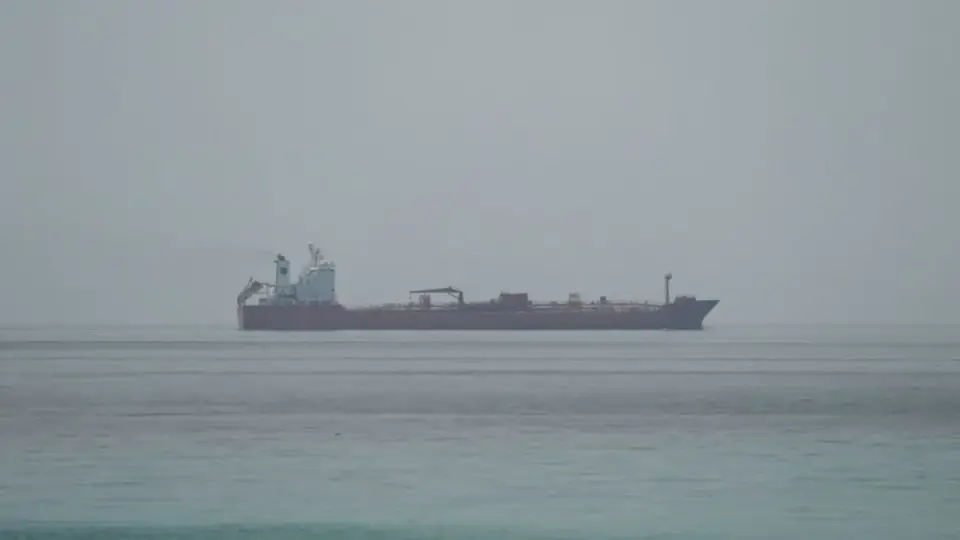
Oil prices fell slightly on Monday as markets reacted to President Trump's announcement of a Russian-Ukrainian energy ceasefire and a new diesel supply deal. However, gains were limited by ongoing Middle East conflicts, high shipping costs, and skepticism regarding the ceasefire's durability.
Key points
- Brent crude fell 11 cents to $104.61, while WTI dropped 49 cents to $91.36, though both benchmarks fell over 1% earlier in the session.
- Trump announced Russia will supply 300,000 metric tons of diesel immediately, followed by 500,000 tons in November and 1 million tons thereafter.
- Zelensky stated he was awaiting details of the ceasefire, while Russia did not comment, casting doubt on the agreement's validity.
- Houthi attacks on Riyadh's airport and tanker strikes in the Strait of Hormuz continue to support Brent prices above $100.
- Goldman Sachs raised its December Brent forecast to $90, citing a risk premium of over $20 per barrel due to Middle East tensions.
Background
This development follows a week of volatile energy markets where Trump's unilateral ceasefire claims were immediately contradicted by Russian strikes on Ukrainian power plants. The current situation is part of a broader global energy crisis exacerbated by the US-Iran war, which has driven up shipping costs and depleted global stockpiles.
How outlets are covering it
Reuters emphasizes the immediate price drop driven by the diesel deal and ceasefire hopes, while noting skepticism from analysts like Tim Waterer regarding the ceasefire's longevity. CNN provides a broader context, arguing that despite the ceasefire, fuel prices remain near record highs due to structural issues like the 'insane' cost of supertankers ($1.6 million per day) and ongoing conflicts in the Red Sea and Persian Gulf. CNN highlights that the real-world cost of crude is significantly higher than futures prices due to these logistical and security challenges.
Why it matters
The stability of global energy prices depends on the durability of the Russia-Ukraine ceasefire and the resolution of Middle East conflicts. High shipping costs and depleted inventories mean that even minor disruptions can lead to significant price spikes, impacting inflation and consumer costs worldwide.
What to watch
Markets will watch for confirmation of the ceasefire details from Ukraine and Russia. Additionally, the impact of Hurricane Isaias on Gulf Coast refineries and any further escalation in the Middle East will be critical factors in determining oil price trajectories.
- Oil climbs as Mideast conflict, tanker attacks persist Yahoo Finance
- COMMENTARY: The oil market's center of gravity is moving east Reuters
- If the Strait of Hormuz is open, why are gas and diesel so expensive? CNN
- Oil Rises as Saudi Airport and Tanker Attacks Stoke Supply Fears Bloomberg.com
- Oil Is Flowing From Hormuz Again—Just Not the Kind the World Needs Most WSJ
Want the full story? Read the original reporting
Read on Yahoo Finance